
1.0 Introduction
The United States’ decision to withdraw funding for the United Nations Support Office in Somalia (UNSOS) at the end of 2026 places the gains secured against Al-Shabaab under renewed pressure by weakening the logistical foundation sustaining Somalia’s security operations (United States Mission to the African Union (USAU, 2026). The withdrawal affects the support systems underpinning the African Union Support and Stabilization Mission in Somalia (AUSSOM), increasing uncertainty over the sustainability of Somalia’s security transition (African Union Commission (AUC, 2026). This development raises wider questions about whether existing national and regional security arrangements can absorb the loss of external operational support (International Crisis Group (ICG, 2025). Since insecurity in Somalia spreads through interconnected political, humanitarian, economic, and security channels, deterioration within the country can generate wider consequences across Greater Eastern Africa (Counter Extremism Project, 2026). These pressures affect neighbouring states, regional institutions, and collective security mechanisms responsible for managing transnational threats (Africa Center for Strategic Studies, 2025). This commentary examines how the U.S. withdrawal of UNSOS funding could affect security gains against Al-Shabaab in Somalia and the resulting future stability in Greater Eastern Africa.
2.0 Key Issues
2.1 Security Gains Depend on UNSOS Logistical Support
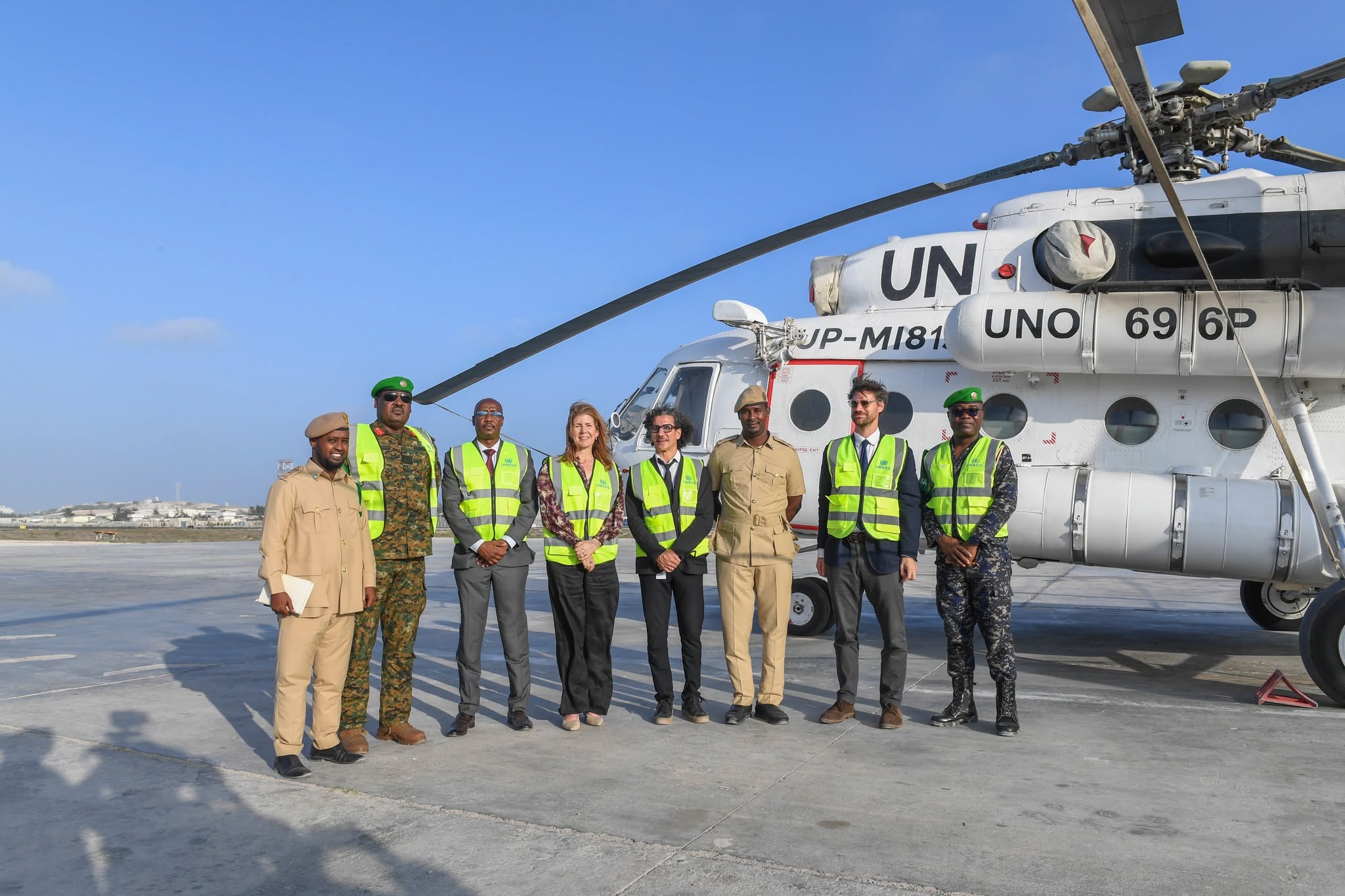
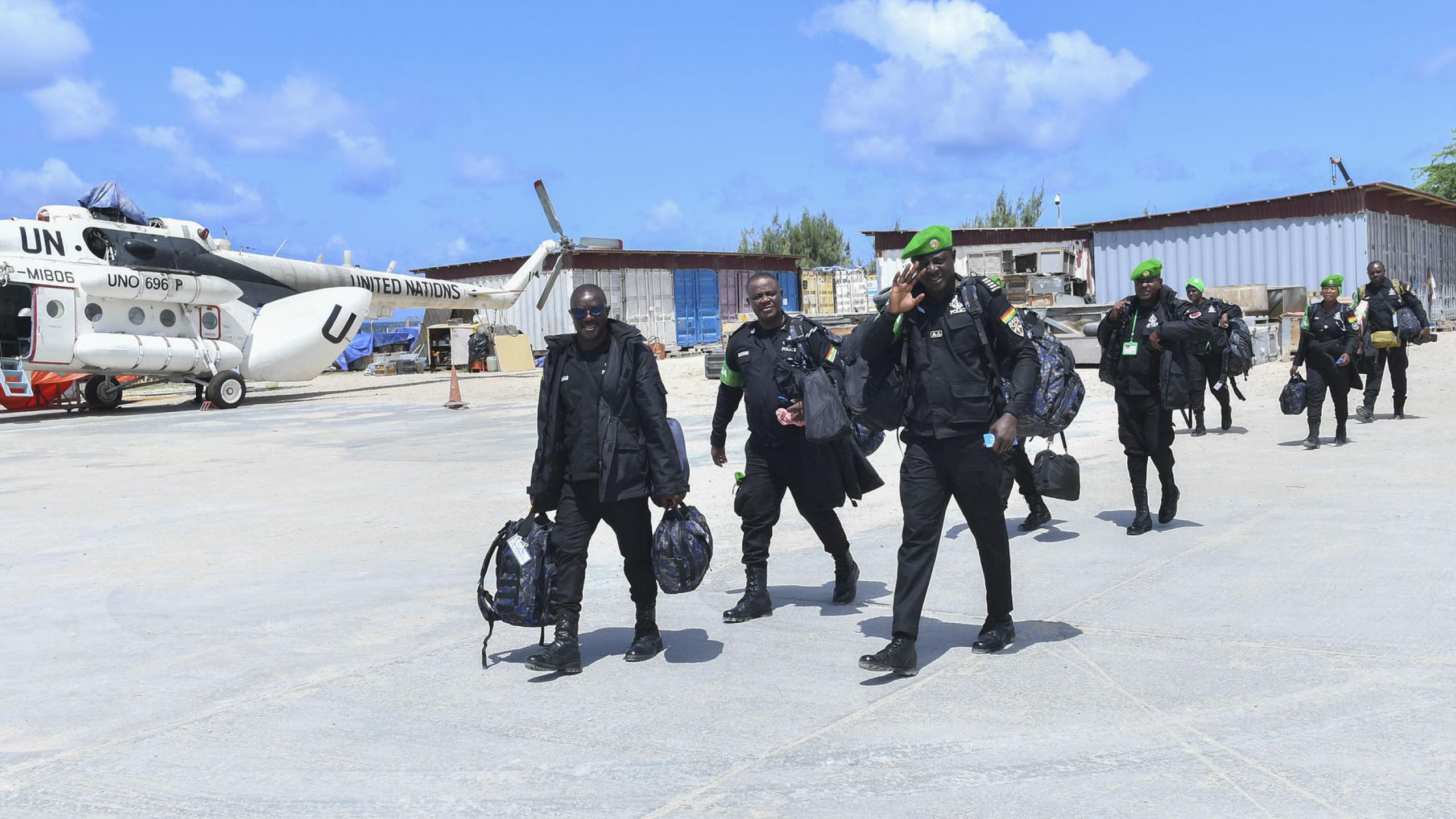
The security gains secured against Al-Shabaab since 2022 depend on logistical support financed through the United Nations Support Office in Somalia (UNSOS), making continued external funding central to Somalia’s security transition. The 2022 Somali government offensive, supported by African Union forces and international partners, recovered more than 215 locations across Hirshabelle and Galmudug, marking the insurgency’s most significant territorial setback in over a decade (The Soufan Center, 2025). Sustaining those gains requires UNSOS-funded fuel, aviation support, medical evacuation, engineering services, and forward resupply that enable African Union Support and Stabilization Mission in Somalia (AUSSOM) operations across contested areas (ChimpReports, 2026). The Somali National Army remains unable to sustain independent clearing and holding operations because of operational and institutional constraints (Africa Center for Strategic Studies, 2025). Internal political divisions and fragmented command structures reinforce that dependence (Garowe Online, 2026). AUSSOM therefore remains Somalia’s operational backbone, while UNSOS provides the logistical foundation sustaining those gains nationwide (The EastAfrican, 2026).
2.2 Logistical Contraction Enables Insurgent Recovery
Al-Shabaab has consistently exploited reductions in African Union operational capacity to reverse security gains. The first African Union Transition Mission in Somalia (ATMIS) drawdown in 2023 was followed by increased political violence along the Kenya-Somalia border (Armed Conflict Location & Event Data Project (ACLED, 2023). The transition from ATMIS to AUSSOM in 2025 was followed within weeks by coordinated attacks on government positions (Garofalo, 2026). By mid-2025, Al-Shabaab had recaptured towns previously recovered by federal forces (International Crisis Group (ICG, 2025). Vacated positions were repeatedly reoccupied before replacement forces established control (Somali Guardian, 2025). The planned withdrawal of UNSOS-funded logistics would reduce AUSSOM’s operational mobility and sustainment, increasing opportunities for similar insurgent recovery (AUC, 2026).
2.3 Al-Shabaab Resurgence Expands Regional Security Risks
A resurgent Al-Shabaab would transmit insecurity beyond Somalia through interconnected regional, humanitarian, and strategic channels. Coordinated attacks in Kenya’s Garissa County during January 2026 demonstrated the group’s continuing ability to project violence across international borders, while its declared objectives extend across Ethiopia, Djibouti, Uganda, and Tanzania (Counter Extremism Project, 2026). The IGAD region already hosts millions of refugees and asylum seekers, leaving neighbouring states vulnerable to additional displacement pressures if insecurity intensifies inside Somalia (Dawan Africa, 2026). The United Nations documents weapons smuggling, drone training, and links with Houthi forces, connecting the insurgency to wider insecurity in the Red Sea and international maritime trade routes (United Nations Security Council, 2025). Continued U.S. military operations demonstrate that Washington continues to regard Al-Shabaab as an international security threat (Asia Times, 2026).
2.4 Regional Institutions Have No Automatic Trigger to Respond
Regional institutions lack rapid decision-making mechanisms capable of responding to a sudden contraction of peace support in Somalia. The African Union consultative process initiated in July 2026 to provide desired logistic support after withdrawal of UNSOS requires multiple procedural stages before collective political decisions can be authorised (African Union Commission (AUC, 2026). Efforts to establish predictable financing for the AUSSOM through United Nations assessed contributions failed after U.S. opposition prevented implementation of Security Council Resolution 2719 (The EastAfrican, 2026). Although UN Security Council Resolution 2809 renewed AUSSOM’s mandate, it left the financing challenge unresolved (The Reporter Ethiopia, 2025). Existing arrears owed to troop-contributing countries further reduce institutional flexibility during the transition period (Amani Africa, 2026). The principal constraint is therefore institutional speed rather than institutional authority. The remaining period before mandate renewal leaves decision-making moving more slowly than the security crisis itself (WardheerNews, 2026).
3.0 Conclusion
Somalia’s security gains remain vulnerable because the system sustaining them depends on external logistical capacity rather than fully independent national capability. The withdrawal of UNSOS support exposes how territorial advances can reverse when operational sustainment contracts. Previous security transitions demonstrate that reduced external support creates opportunities for insurgent recovery, while instability inside Somalia can transmit across borders through humanitarian and security pressures. These risks are amplified by institutional processes that move slower than emerging crises. The central diagnosis is clear: security gains without sustaining capacity is untenable. Greater Eastern Africa’s security future therefore rests on whether existing arrangements can withstand disruption before temporary vulnerabilities become lasting instability.
4.0 Policy Recommendations
4.1 A Costed Logistics Continuity Plan for AUSSOM’s Forward Positions
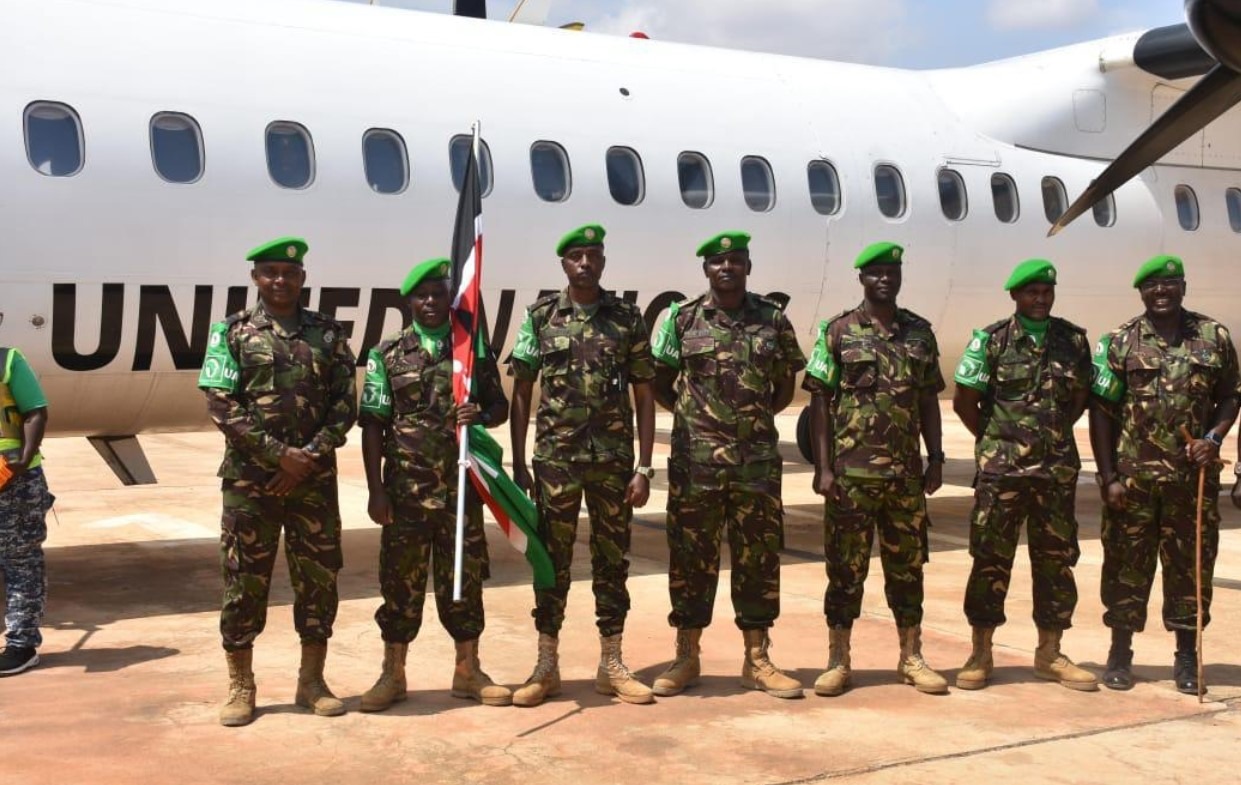
The African Union Commission Chairperson, through the Peace Support Operations Division, should deliver a costed logistics continuity plan for AUSSOM before 31 August 2026. The plan should classify forward positions according to sustainability requirements and identify arrangements for aviation, fuel, medical evacuation, and resupply needed to sustain deployed forces after UNSOS support ends. The Chairperson should submit the plan to the Peace and Security Council and troop-contributing countries before 15 September 2026 for approval and implementation. Execution should proceed through memoranda with named bilateral and multilateral partners, defined financial commitments, and operational timelines. The Peace and Security Council should monitor progress through 60-day reviews until mandate renewal decisions are concluded. This approach preserves operational continuity during transition without creating additional structures.
4.2 Formal Deployment Commitments from Troop-Contributing Countries
The African Union Commission should secure formal deployment commitments from troop and police contributing countries before October 2026 to sustain AUSSOM’s operational continuity after UNSOS support ends. The Commission should convene Chiefs of Defence Forces meeting within 30 days of the July 2026 briefing and obtain written national commitments specifying personnel levels, financing arrangements, and command responsibilities. Ethiopia and Uganda should coordinate successor deployment arrangements based on their existing bilateral security roles. The Commission should align these commitments with available financing instruments, including the African Union Peace Fund Crisis Reserve Facility and existing international support packages. The Peace and Security Council should receive verified implementation reports from the Commission before the December 2026 mandate decision and conduct 60-day reviews thereafter.
4.3 Regional Contingency Arrangements for Cross-Border Security Risks
The IGAD Secretariat should establish regional contingency arrangements for cross-border security risks before October 2026 through existing security and humanitarian coordination mechanisms. The arrangement should connect Somalia, Kenya, Ethiopia, and Djibouti through agreed procedures for intelligence sharing, border coordination, and displacement preparedness. The IGAD Executive Secretary should convene a ministerial coordination meeting within 60 days to assign national responsibilities, confirm communication channels, and define reporting requirements. Member states should integrate these arrangements with existing IGAD security cooperation and refugee response instruments rather than creating parallel structures. The IGAD Council of Ministers should review implementation progress before the December 2026 mandate decision and receive quarterly updates thereafter. This approach strengthens regional preparedness while preserving institutional coherence.
4.4 Automatic Escalation Thresholds for AUSSOM Security Risks
The African Union Peace and Security Council should establish automatic escalation thresholds for AUSSOM security risks before November 2026 through the renewed mission mandate. The framework should define operational triggers requiring immediate Council review, including reductions in mission capacity, disruption of critical support functions, and major changes affecting deployed operations. The African Union Commission Peace Support Operations Division should draft the threshold mechanism and submit it to the Council before 30 September 2026. When a trigger is reached, the Council Chairperson should convene consultations within 72 hours and initiate the agreed response process. The Commission should monitor implementation, provide verified updates, and report progress before each mandate review
5.0 References
Africa Center for Strategic Studies. (2025, November 17). Somalia at risk of becoming a jihadist state. https://africacenter.org/publication/asb45en-somalia-risk-jihadist-state/
Africa Defense Forum. (2026, May 5). Al-Shabaab’s tactics evolving. https://adf-magazine.com/2026/05/al-shabaabs-tactics-evolving/
African Union Commission. (2026, July 3). Extraordinary meeting of the Military Staff Committee on the future of AUSSOM: Meeting minutes. Peace Support Operations Division.
Amani Africa. (2026, July 5). The US plan to unplug the UN Support Office in Somalia, the last straw that may break the African Union’s peace operation. https://amaniafrica-et.org/the-us-plan-to-unplug-the-un-support-office-in-somalia-the-last-straw-that-may-break-the-african-unions-peace-operation/
Armed Conflict Location & Event Data Project. (2023, August 24). Kenya-Somalia border: Rising al-Shabaab threat in the wake of ATMIS drawdown. https://acleddata.com/report/special-report-kenya-somalia-border-rising-al-shabaab-threat-wake-atmis-drawdown
Asia Times. (2026, June 4). Houthis and Al-Shabaab conspiring to choke Red Sea routes. https://asiatimes.com/2026/06/houthis-and-al-shabaab-conspiring-to-choke-red-sea-routes/
ChimpReports. (2026, July 3). Crisis as U.S. moves to end support for UN Somalia mission. https://chimpreports.com/crisis-as-u-s-moves-to-end-support-for-un-somalia-mission/
Counter Extremism Project. (n.d.). Al-Shabaab. https://www.counterextremism.com/threat/al-shabaab
Dawan Africa. (2026, June 20). IGAD demands funding, inclusion, and peace to tackle displacement crisis. https://www.dawan.africa/news/igad-demands-funding-inclusion-and-peace-to-tackle-displacement-crisis
Garofalo, D. (2026, July 7). Strategic threat outlook: Harakat al-Shabaab al-Mujahidin, June 2026. https://www.danielegarofalomonitoring.com/p/strategic-threat-outlook-harakat-103
Garowe Online. (2026, July 4). African Union holds emergency meeting over U.S. decision to end support for Somalia mission. https://www.garoweonline.com/en/news/somalia/african-union-holds-emergency-meeting-over-u-s-decision-to-end-support-for-somalia-mission
International Crisis Group. (2025, July 9). Al-Shabaab recaptures key town, while Mogadishu struggles to regain the upper hand. https://www.crisisgroup.org/alr/africa/somalia/al-shabaab-recaptures-key-town-while-mogadishu-struggles-regain-upper-hand
Somali Guardian. (2025, April 26). AUSSOM troop-contributing countries urge deployment of additional 8K forces to Somalia. https://somaliguardian.com/news/somalia-news/aussom-troop-contributing-countries-urge-deployment-of-additional-8k-forces-to-somalia/
The EastAfrican. (2026, July 4). US funding exit casts doubt on AU peace mission in Somalia. https://www.theeastafrican.co.ke/tea/news/east-africa/us-funding-exit-casts-doubt-on-au-peace-mission-somalia-5516500
The Reporter Ethiopia. (2025, December 27). Ethiopian peacekeeping troops to remain in Somalia as AUSSOM extended to December 2026. https://www.thereporterethiopia.com/48374
The Soufan Center. (2025, July 24). IntelBrief: Al-Shabaab’s 2025 offensive and the unraveling of Somalia’s federal counterinsurgency. https://thesoufancenter.org/intelbrief-2025-july-24/
United Nations Security Council. (2025, October 17). Final report of the Panel of Experts on Yemen established pursuant to Security Council resolution 2140 (2014) (S/2025/650). https://docs.un.org/en/S/2025/650
United States Mission to the African Union. (2026, July 1). Note verbale: Ending U.S. support for the United Nations Support Office in Somalia (UNSOS). United States Department of State.
WardheerNews. (2026, July 3). U.S. signals donor fatigue, announces end of funding for UN and African Union support missions in Somalia. https://wardheernews.com/u-s-signals-donor-fatigue-announces-end-of-funding-for-un-and-african-union-support-missions-in-somalia/