

1.0 Introduction
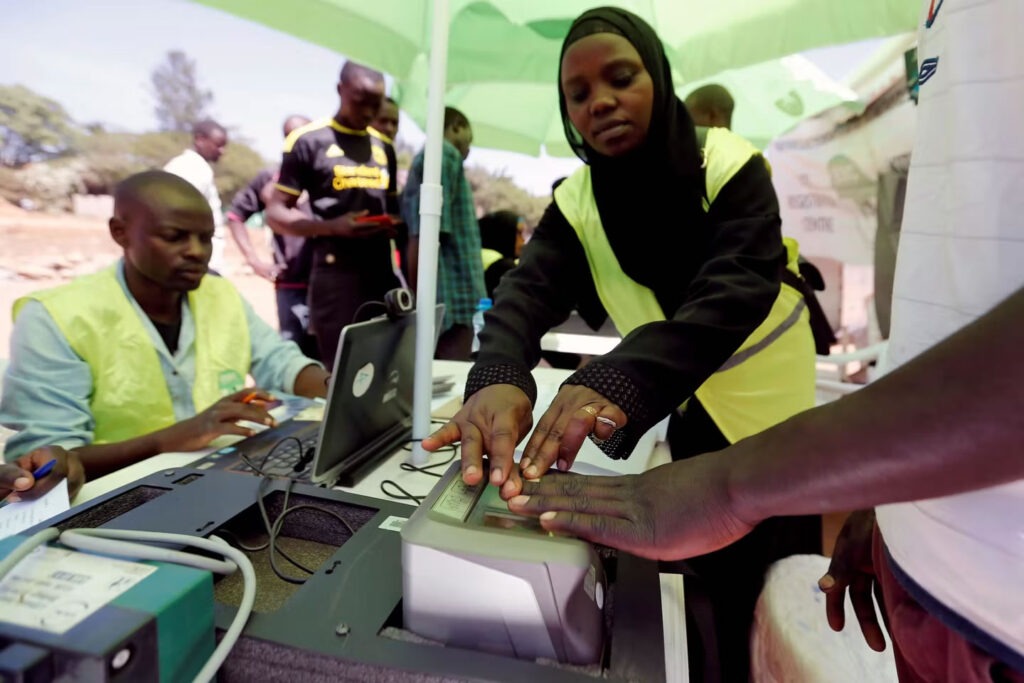
Electoral legitimacy has become the defining measure of democratic governance across Greater Eastern Africa because confidence in electoral processes increasingly shapes institutional authority, political stability, and regional cooperation. Although constitutional electoral cycles continue across the region, persistent disputes over electoral administration, political participation, and civic freedoms have intensified scrutiny of whether elections consistently confer legitimate political authority (International IDEA, 2024). Recent electoral developments have demonstrated that declining public trust in electoral institutions carries implications extending beyond national politics into wider regional governance and security dynamics (Reuters, 2025). Expanding digital political participation has simultaneously widened civic engagement while accelerating contestation over electoral credibility through rapidly evolving information environments (Freedom House, 2025). Within the interconnected institutional landscape of Intergovernmental Authority on Development(IGAD), and the East African Community(EAC), electoral disputes increasingly influence diplomatic relations, economic confidence, and cross-border stability (IGAD, 2024). Consequently, democratic resilience is becoming inseparable from the credibility of electoral governance across the region (BBC News, 2025). This commentary examines how electoral legitimacy is reshaping democracy across Greater Eastern Africa.
2. Key Issues
2.1 Shrinking Civic Space Restructures Electoral Entry Conditions
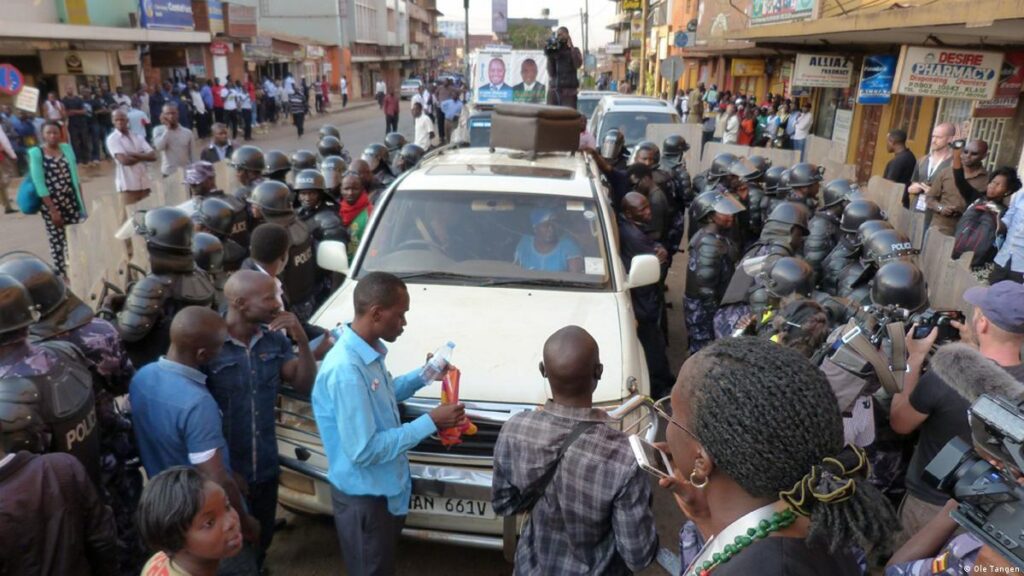
Electoral legitimacy in Greater Eastern Africa is increasingly shaped by tightening civic space that determines who can enter the competition and under what regulatory conditions political participation is permitted. Administrative thresholds governing party registration and heightened scrutiny of civic organisations have narrowed opposition operational capacity across multiple jurisdictions, shifting competition from open contestation toward managed participation frameworks. Tanzania’s electoral governance experience illustrates how procedural compliance rules intersect with enforcement discretion in ways that materially restrict competitive balance in formal electoral arenas (Freedom House, 2025). Legal actions against opposition actors during electoral periods reinforce perceptions of asymmetric political access and institutional partiality in enforcement environments (Human Rights Watch, 2025). Comparative governance analysis links sustained civic space contraction to measurable declines in electoral competitiveness across successive cycles in the region (International IDEA, 2024). Regional stability assessments associate these constraints with weakening legitimacy formation and heightened political uncertainty within interconnected governance systems (IGAD, 2024). Field reporting confirms persistence of these patterns as structural features of electoral governance rather than episodic political events across the region (Reuters, 2025).
2.2 Electoral Management Credibility Determines Institutional Trust
Electoral legitimacy across Greater Eastern Africa is increasingly conditioned by perceived credibility of electoral management institutions during the 2025–2026 electoral cycle, where administrative neutrality has become a primary determinant of public acceptance of outcomes. Persistent disputes over voter registration integrity, boundary delimitation, and vote tallying transparency continue to shape contested electoral outcomes across multiple states. Somalia’s electoral governance experience demonstrates how prolonged disagreement over electoral design delays consensus formation and weakens transitional legitimacy in fragile political systems (International Crisis Group, 2025). Concerns regarding electoral commission independence in Uganda, Ethiopia, and Tanzania reflect systemic challenges in institutional neutrality across the region (African Union Commission, 2024). Comparative democracy assessments show that perceptions of institutional bias reduce confidence in electoral outcomes even under formally compliant procedures (International IDEA, 2024). Regional reporting indicates that disputed results escalate into broader governance tensions when arbitration mechanisms lack perceived neutrality and enforcement capacity (BBC News, 2025). Stability analysis links institutional distrust in electoral bodies to heightened volatility during political transition phases across Eastern Africa (IGAD, 2024). Reporting across recent cycles confirms persistence of credibility deficits without structural correction (Reuters, 2025).
2.3 Digital Youth Mobilisation Reshapes Participation Architecture

Electoral participation across Greater Eastern Africa is undergoing structural reconfiguration driven by digitally connected youth cohorts during the 2025–2026 electoral cycle, where political engagement increasingly bypasses traditional intermediating institutions. Social media platforms function as core infrastructures for political communication, enabling rapid diffusion of mobilisation signals, grievance articulation, and electoral framing across urban and peri-urban populations. Kenya’s youth-led mobilisation episodes demonstrate how digital coordination translates online engagement into sustained political pressure during governance disputes and electoral cycles (International Crisis Group, 2025). Uganda’s digital political environment reflects similar participation shifts driven by mobile penetration and platform-based communication systems that alter political engagement patterns (United Nations Economic Commission for Africa, 2024). State responses across multiple jurisdictions include internet restrictions, surveillance expansion, and regulatory controls targeting online political expression during sensitive political periods (Freedom House, 2025). Electoral institutions face structural adaptation pressure as digital participation expands faster than regulatory frameworks governing political communication and oversight (International IDEA, 2024). Security analysis indicates that digital mobilisation compresses coordination timelines and alters escalation dynamics within electoral environments (Institute for Security Studies, 2025). Regional reporting confirms that these digital participation structures now constitute persistent features of electoral cycles across the region (BBC News, 2025).
2.4 Electoral Legitimacy Gap Accelerates Democratic Backsliding Dynamics
Electoral cycles across Greater Eastern Africa during the 2025–2026 period reveal widening divergence between procedural electoral completion and substantive legitimacy formation within governance systems. Regular elections coexist with sustained disputes over institutional neutrality, fairness in competition, and equitable access to political participation across multiple jurisdictions. Electoral commissions operating under contested independence frameworks face persistent credibility deficits that shape public interpretation of outcomes beyond procedural compliance thresholds. Restrictions on opposition activity and uneven distribution of political resources reinforce incumbency advantage embedded within institutional and administrative arrangements (Freedom House, 2025). Regional governance analysis shows that electoral disputes escalate into broader legitimacy crises when mediation and arbitration mechanisms lack perceived neutrality and enforcement capacity (African Union Commission, 2024). Comparative electoral studies indicate that procedural elections without substantive pluralism contribute to gradual democratic erosion across successive cycles in the region (International IDEA, 2024). Crisis monitoring reports link contested electoral legitimacy to recurring governance instability during political transitions across multiple states (International Crisis Group, 2025). Field reporting confirms that legitimacy perceptions increasingly determine electoral authority more than procedural vote administration across recent cycles in Eastern Africa (Reuters, 2025).
3.0 Conclusion
Electoral legitimacy has become the defining determinant of democratic resilience across Greater Eastern Africa because the authority of electoral outcomes increasingly depends on institutional credibility rather than procedural compliance alone. Constrained civic space, declining confidence in electoral management bodies, expanding digital political mobilisation, and persistent legitimacy deficits have collectively altered how democratic authority is established and sustained across the region. These pressures extend beyond national electoral cycles by influencing regional stability, interstate confidence, and the effectiveness of cooperative governance within interconnected political systems. The central democratic challenge therefore lies in preserving public confidence that electoral institutions operate impartially, transparently, and consistently. Electoral legitimacy now constitutes the foundation upon which democratic governance across Greater Eastern Africa is ultimately judged.
4.0 Policy Recommendations
4.1 Institutionalise Electoral Autonomy Through AU–IGAD Certification Enforcement
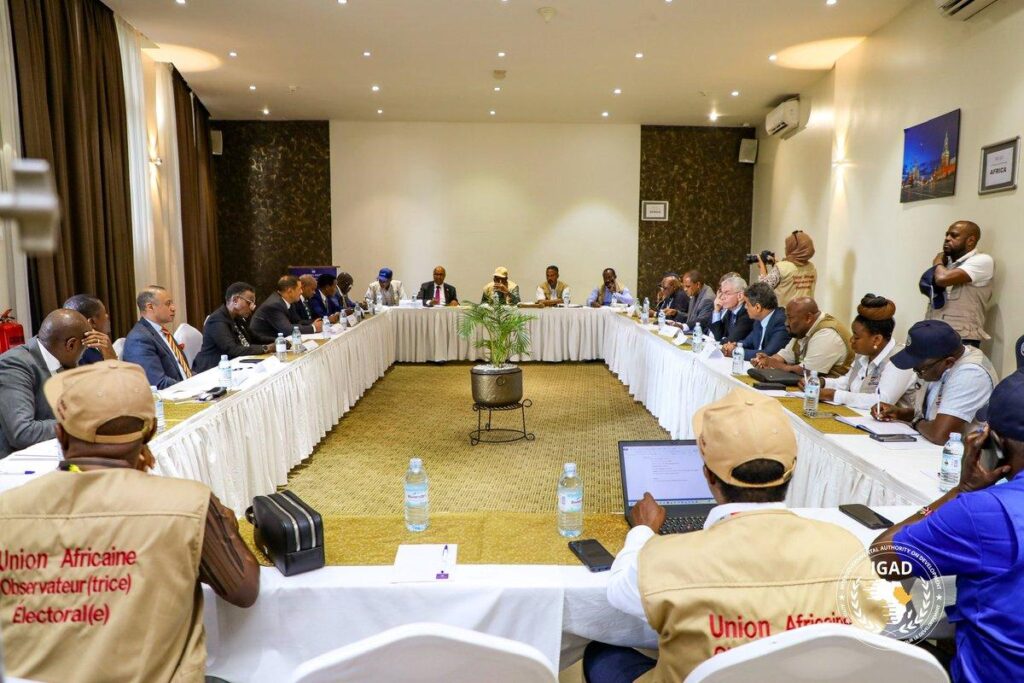
The AUC Political Affairs, Peace and Security Department and the IGAD Election Support Unit should operationalise a joint Electoral Autonomy Certification System anchored in the African Charter on Democracy, Elections and Governance. The system should define binding pre-election benchmarks covering electoral commission appointment integrity, budget independence, and results transmission architecture. National electoral commissions in Tanzania, Uganda, Ethiopia, and Kenya should submit standardised institutional audit datasets to a central AU electoral registry. Certification status should be issued 180 days before elections and updated once before polling. The enforcement chain should be direct: non-certification triggers automatic exclusion from AU electoral observation missions and suspension from IGAD technical election assistance packages. Verification should be conducted by an AU–IGAD technical audit unit embedded within the African Peer Review Mechanism(APRM) secretariat, producing public compliance reports without diplomatic clearance filters.
4.2 Enforce Civic Space Protection Through Election-Cycle Legal Conditionality
The East African Community Council of Ministers and the IGAD Ministerial Committee on Political Affairs should adopt a binding Electoral Civic Rights Compliance Instrument that operates strictly during election cycles. The instrument should define non-derogable thresholds for opposition party registration, assembly permissions, media accreditation, and civil society operations during electoral periods. National human rights commissions and electoral management bodies should operate a single integrated Election Rights Monitoring Cell with live incident reporting during campaign and polling phases. The African Commission on Human and Peoples’ Rights should maintain an open-access violation registry updated weekly throughout election cycles. Enforcement should follow a direct escalation chain: documented systemic violations trigger suspension of regional electoral observer accreditation and automatic referral to the AU Peace and Security Council for formal review within 21 days.
4.3 Embed Youth Digital Participation into Regulated Electoral Infrastructure
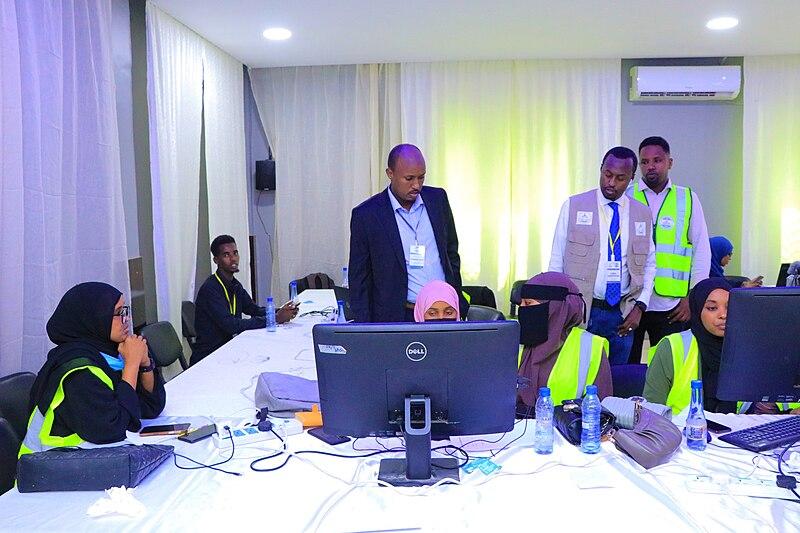
The AUC , working with national ICT ministries and electoral commissions, should establish a Regional Digital Electoral Participation System focused on structured youth engagement within formal electoral governance. The system should integrate verified digital civic identity tools with national voter education platforms and election information portals. Electoral commissions should establish dedicated Digital Participation Units responsible for social media analytics, civic engagement mapping, and misinformation response coordination during election cycles. Implementation should begin with Kenya, Uganda, and Rwanda as pilot states under United Nations Economic Commission for Africa (UNECA) technical support. Enforcement should be administrative and immediate: states that impose unjustified internet shutdowns during election periods automatically trigger public compliance flags within the AU Digital Electoral Observatory, affecting eligibility for AU electoral observation endorsement in subsequent cycles.
4.4 Synchronise Electoral Dispute Resolution Through Regional Adjudication Alignment
The AU Peace and Security Council, IGAD Secretariat, and East African Court of Justice should establish a Regional Electoral Dispute Synchronisation Framework to standardise post-electoral adjudication timelines and verification procedures. The framework should define fixed maximum periods for electoral petition resolution and require mandatory publication of complete vote transmission audit trails within 72 hours of final results declaration. National electoral tribunals and supreme courts should integrate into a shared East African electoral dispute registry managed by the EAC Secretariat. Independent verification of contested results should be conducted by AU-certified statistical audit teams embedded within national electoral commissions during vote counting phases. Enforcement should be sequential and automatic: failure to meet transparency and timeline thresholds triggers suspension of regional diplomatic recognition of final electoral results pending completion of independent audit verification.
5.0 References
African Union Commission. (2024). African governance report 2024: Strengthening democratic institutions and electoral integrity in Africa. African Union Commission.
BBC News. (2025). BBC News coverage on elections and democratic governance in Eastern Africa. https://www.bbc.com/news
Cheeseman, N., & Klaas, B. (2023). How to rig an election (Updated ed.). Yale University Press.
Freedom House. (2025). Freedom in the world 2025: The shifting landscape of global freedom. https://freedomhouse.org/report/freedom-world/2025
Human Rights Watch. (2025, April 15). Tanzanian opposition leader’s arrest spells trouble for elections. https://www.hrw.org/news/2025/04/15/tanzanian-opposition-leaders-arrest-spells-trouble-elections
Institute for Security Studies. (2025). Institute for Security Studies analysis on elections and democratic governance in Eastern Africa. https://issafrica.org
Intergovernmental Authority on Development. (2024). Regional stability and governance outlook for the Horn of Africa. IGAD.
International Crisis Group. (2025). Managing political transitions and democratic governance in Eastern Africa. https://www.crisisgroup.org
International Institute for Democracy and Electoral Assistance. (2025). The global state of democracy 2025: Democracy on the move. https://www.idea.int/publications/catalogue/global-state-democracy-2025-democracy-move
Reuters. (2025). Reuters coverage on elections and political developments in Eastern Africa. https://www.reuters.com/world/africa/
United Nations Economic Commission for Africa. (2024). Africa’s demographic transformation and digital future. United Nations Economic Commission for Africa. https://www.uneca.org