

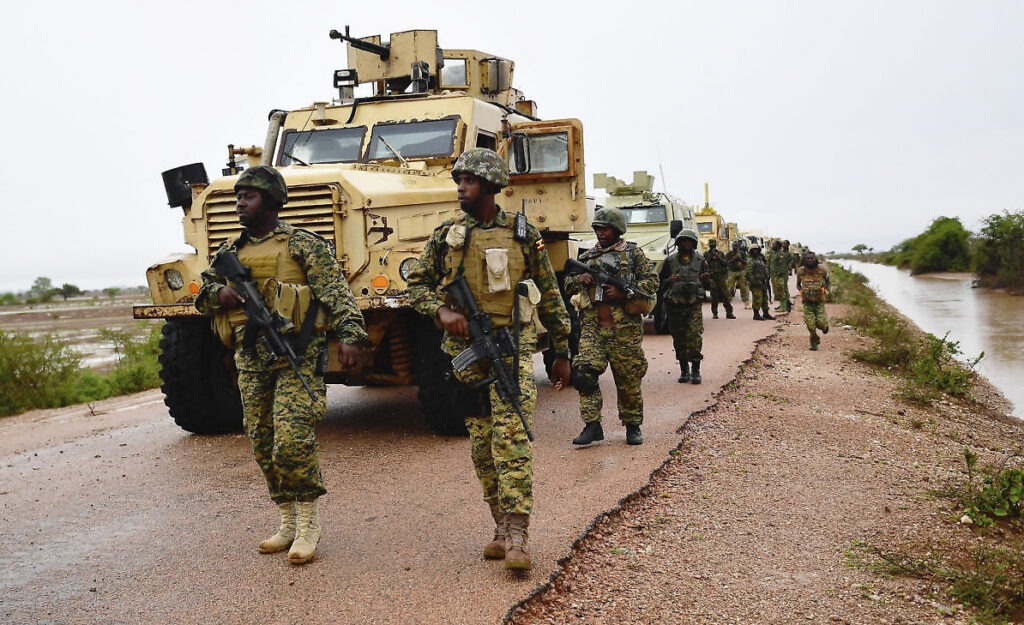
1.0 Introduction
Peace Support Operations in Greater Eastern Africa are undergoing structural reconfiguration driven by accelerated digital transformation across regional security governance systems. The African Union reports expanded integration of digital situational awareness platforms within continental peace architectures to strengthen coordination in complex missions (African Union, 2026). United Nations field assessments indicate increasing reliance on data-driven command systems to enhance civilian protection and operational responsiveness in volatile theatres (United Nations, 2026). IGAD analyses show intensifying cross-border insecurity and mobility dynamics driving demand for interoperable early warning platforms capable of integrating multi-source intelligence across fragmented operational spaces (IGAD, 2026).
The East African Community reports persistent interoperability constraints in regional security communication systems limiting coordinated response capacity among member states (East African Community, 2026). SIPRI findings highlight expanding deployment of unmanned systems and satellite-enabled surveillance shaping operational effectiveness in peace environments (SIPRI, 2026). Reuters reporting indicates cyber-enabled disruption is increasingly affecting operational coordination and information integrity across conflict systems in Eastern Africa (Reuters, 2026). BBC coverage similarly underscores the growing influence of information disorder on security decision environments within digitally exposed operational theatres. This commentary examines how digital transformation is reshaping institutional performance, coordination capacity, and operational effectiveness in Peace Support Operations across Greater Eastern Africa.
2.0 Key Issues
2.1 Continental Digital Interoperability Across Peace Missions
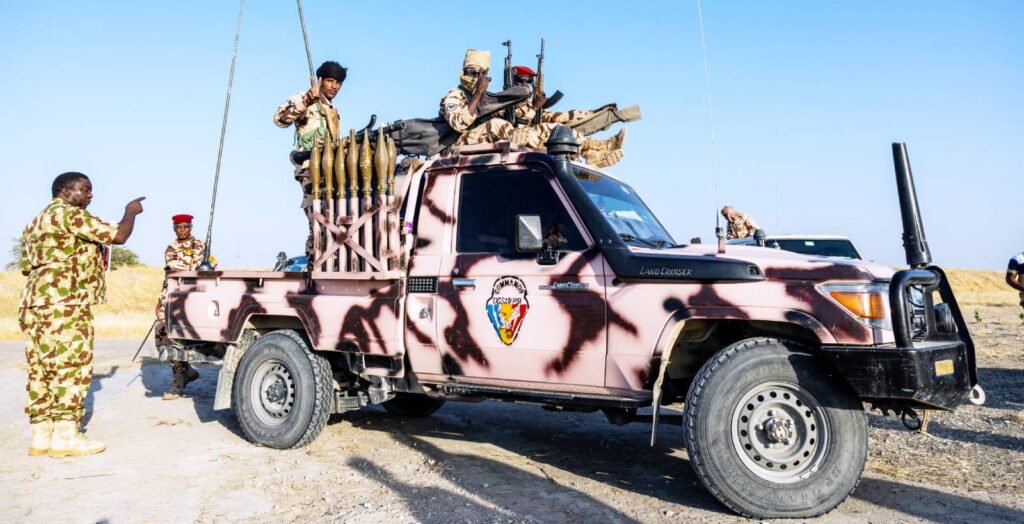
Peace Support Operations in Greater Eastern Africa remain constrained by uneven digital infrastructure that weakens interoperability across multinational command systems. The African Union Peace and Security Council identifies persistent variation in command-and-control digitization across mission environments as a structural limitation to integrated situational awareness (African Union, 2026). United Nations peace operations reporting confirms uneven digital readiness among troop-contributing countries, reducing operational coherence in joint deployments (United Nations, 2026). IGAD early warning assessments highlight connectivity disparities that disrupt real-time intelligence exchange within cross-border security corridors shaped by armed group mobility (IGAD, 2026). The East African Community records fragmentation in secure communications infrastructure that reduces coordination efficiency during regional operations (East African Community, 2026). Reuters reporting further indicates that fragmented digital infrastructures are increasingly exploited in hybrid conflict environments where adversarial networks leverage information asymmetries to degrade coordination integrity across Eastern Africa’s operational theatres (Reuters, 2026).
2.2 Regional Security Data Governance And Sharing Systems
Data governance fragmentation across Peace Support Operations in Greater Eastern Africa continues to weaken intelligence coherence and operational decision integration. The African Union reports the absence of harmonized classification standards as a barrier to cross-mission intelligence interoperability (African Union, 2026). United Nations evaluations identify inconsistent data management architectures that reduce analytical convergence across mission systems (United Nations, 2026). IGAD monitoring frameworks highlight unstandardized data protocols that obstruct cross-border threat mapping in mobility corridors shaped by insurgent logistics and displacement flows (IGAD, 2026). The East African Community documents highlight persistent institutional data silos that weaken synchronized response capacity among member states during joint operations (East African Community, 2026). BBC reporting underscores that fragmented digital information ecosystems intensify misinformation pressures, complicating operational decision environments within rapidly digitizing and politically sensitive conflict spaces across Eastern Africa (BBC, 2026).
2.3 Technological Procurement For Strategic Digital Sovereignty
Peace Support Operations in Greater Eastern Africa remain embedded within technological dependency structures that constrain operational autonomy and adaptive capability. The African Union Commission reports continued reliance on externally supplied mission-critical digital systems as a limitation on sovereign control of operational infrastructure (African Union, 2026). United Nations procurement assessments highlight dependency-driven acquisition cycles that reduce flexibility in adapting technologies to evolving operational environments (United Nations, 2026). IGAD analysis shows that reliance on external surveillance and analytics platforms weakens responsiveness to localized and rapidly evolving threat landscapes across border regions (IGAD, 2026). The East African Community identifies limited regional production capacity in defence-related digital systems, reinforcing structural import dependence across security architectures (East African Community, 2026). Al Jazeera reporting further indicates that global supply chain vulnerabilities in satellite, ISR, and analytics systems increasingly shape strategic exposure in African peace operations under conditions of geopolitical competition and technological asymmetry (Al Jazeera, 2026).
2.4 Regional Cyber Defence And Mission Resilience Capacity
Cyber domain exposure is increasingly reshaping Peace Support Operations in Greater Eastern Africa by introducing layered vulnerabilities across mission security architectures. The African Union Peace and Security Council highlights escalating cyber intrusion risks targeting communication infrastructure and operational databases across peace environments (African Union, 2026). United Nations cybersecurity assessments report sustained interference against digital command systems, undermining coordination integrity and operational continuity in complex missions (United Nations, 2026). IGAD monitoring frameworks document expanding use of cyber channels by armed groups for coordination, recruitment, and intelligence disruption across border regions (IGAD, 2026). The East African Community identifies limited interoperability in cyber defence capabilities among member states as a structural weakness in collective digital resilience (East African Community, 2026). Reuters reporting confirms that cyber-enabled disinformation operations are increasingly deployed to destabilize perception environments and degrade mission legitimacy within digitally contested conflict theatres across Eastern Africa (Reuters, 2026).
3.0 Conclusion
Digital transformation is reshaping Peace Support Operations in Greater Eastern Africa through uneven infrastructure, fragmented governance systems, and persistent technological dependencies that weaken operational coherence. These conditions generate differentiated mission performance across African Union, United Nations, Intergovernmental Authority on Development, and East African Community frameworks. Cyber domain exposure intensifies systemic fragility by disrupting communication integrity, intelligence reliability, and coordination continuity in conflict environments. Collectively, these dynamics reflect an evolving security landscape in which digital interdependence increasingly defines institutional effectiveness. Operational adaptability is shaped by technological integration within peace architectures, influencing command efficiency and regional coordination. This trajectory signals continued reconfiguration of peace operations across Greater Eastern Africa under shifting digital capability distributions and uneven technological maturity across security systems.
4.0 Policy Recommendations
4.1 Enforce Continental Digital Interoperability Across Peace Missions
African Union Commission, through the Peace and Security Council Secretariat, should establish a Continental Digital Interoperability Architecture for Peace Support Operations integrating unified command-and-control systems, satellite communications, mission intelligence platforms, and real-time operational data exchange across African Union, United Nations, Intergovernmental Authority on Development, and East African Community missions. Binding interoperability protocols ratified by member states shall operate through a joint AU–UN technical compliance mechanism embedded within regional mission headquarters to standardise operational coordination procedures. National defence ministries shall align digital infrastructure with standardized interfaces to ensure system compatibility across regional deployments. Oversight shall be conducted through scheduled technical audits coordinated by AU situational awareness centres to verify compliance, sustain operational continuity, and eliminate fragmentation across Greater Eastern Africa operational theatres.
4.2 Standardise Regional Security Data Governance and Sharing Systems

Intergovernmental Authority on Development, in coordination with the East African Community Secretariat and the African Union Peace and Security Division, should establish a Regional Data Governance Harmonisation System for Peace Support Operations integrating standardised intelligence classification protocols, cross-border data-sharing frameworks, and analytical systems supporting conflict monitoring and early warning operations. Legally binding regional data compacts embedded within IGAD and EAC security instruments shall operate through a joint governance board positioned within regional early warning centres to enforce harmonised compliance standards. National intelligence agencies shall restructure internal data architectures to conform to unified operational protocols across participating member states. Technical coordination shall rely on interoperable digital infrastructure hosted within AU-recognised regional data hubs ensuring secure, synchronized, and controlled information flows across Greater Eastern Africa operational theatres.
4.3 Redesign Technological Procurement for Strategic Digital Sovereignty
African Union Commission, working with Ministries of Defence across Greater Eastern Africa, should establish a Technological Sovereignty and Procurement Transformation Mechanism for Peace Support Operations restructuring acquisition frameworks toward regionally developed surveillance systems, satellite capabilities, and defence analytics platforms while reducing dependency on external vendors supplying mission-critical technologies. Revised AU procurement regulations mandating local content thresholds shall operate through a central compliance authority under the AU Department of Political Affairs, Peace and Security to standardise continental procurement oversight procedures. Member states shall establish national acquisition units aligned with continental standards to maintain procurement coherence across operational environments. Oversight shall rely on annual sovereignty audits jointly undertaken with United Nations procurement oversight structures ensuring transparency, resilience, and strategic autonomy across Greater Eastern Africa digital security infrastructure systems.
4.4 Build Regional Cyber Defense and Mission Resilience Capacity

African Union Peace and Security Council, in partnership with East African Community cybersecurity coordination structures and Intergovernmental Authority on Development early warning systems, should establish a Regional Cyber Defence and Operational Resilience Framework integrating cyber defence systems, threat intelligence platforms, and coordinated disinformation tracking tools supporting Peace Support Operations across Greater Eastern Africa. A joint cyber command structure embedded within AU-led mission headquarters shall operate through mandatory incident reporting protocols enforced across member-state security agencies to strengthen coordinated cyber response procedures. Continuous cyber resilience drills and shared response mechanisms shall be coordinated through IGAD and EAC digital security hubs supporting operational continuity during contested security conditions. Oversight shall rely on real-time cyber monitoring dashboards managed at the continental level, ensuring protection of mission-critical communication infrastructure systems.
5.0 References
African Union. (2026). Peace and security council: Digital transformation in peace support architectures. African Union Commission. https://au.int
Al Jazeera Media Network. (2026). Global supply chain vulnerabilities and security implications in African defence systems. Al Jazeera English. https://www.aljazeera.com
British Broadcasting Corporation (BBC). (2026). Digital information disorder and security decision-making in Africa. BBC News. https://www.bbc.com
East African Community. (2026). Regional security communication and interoperability framework. EAC Secretariat. https://www.eac.int
Intergovernmental Authority on Development (IGAD). (2026). Cross-border security and early warning systems report. IGAD Secretariat. https://igad.int
Reuters. (2026). Cyber disruption and hybrid threats in East African conflict environments. Reuters News Agency. https://www.reuters.com
Stockholm International Peace Research Institute (SIPRI). (2026). Emerging technologies in African peace operations. SIPRI Yearbook 2026. https://sipri.org
United Nations. (2026). Field operations digital command and control assessment report. United Nations Department of Peace Operations. https://www.un.org