


1.0 Introduction
The expansion of extractive activity across Somaliland’s eastern corridors is reshaping governance and the security architecture of Greater Eastern Africa through the convergence of mineral exploitation, fragmented governance, and coastal system fragility. Rare earth and gold deposits in Sanaag are increasingly embedded within informal licensing arrangements, producing regulatory ambiguity across competing jurisdictions and weakening enforcement coherence in inland and coastal zones (International Crisis Group, 2025). These governance fractures intersect with coastal systems characterised by constrained customs capacity and expanding informal port infrastructures that enable unmonitored commodity circulation along the Gulf of Aden (BBC News, 2026). Maritime insecurity across the Western Indian Ocean demonstrates renewed volatility driven by adaptive illicit maritime economies and reconfigured trafficking routes (Institute for Security Studies, 2026). Concurrently, intensifying global competition over critical mineral supply chains is reshaping external engagement in Horn of Africa extractive frontiers (Reuters, 2026). Regional security coordination mechanisms remain constrained in addressing cross-domain mobility risks linking inland extraction systems to maritime exit corridors (African Union, 2025). This commentary examines how the convergence of extractive expansion, governance fragmentation, and maritime instability is restructuring mobility-security relations and redefining the operational security environment of Greater Eastern Africa.
2.0 Key Issues
2.1 Fragmented Extractive Authority is Eroding Coastal Enforcement Coherence
Extractive governance across Somaliland’s eastern corridor operates through overlapping authority structures that fragment regulatory control over mineral production and coastal export systems. Competing licensing practices between formal state institutions, local intermediaries, and contested regional administrations generate inconsistent enforcement outcomes across Sanaag’s inland extraction zones (International Crisis Group, 2025). This fragmentation constitutes the foundational governance condition shaping downstream enforcement weakness across coastal systems. Informal port infrastructures subsequently expand in response to regulatory gaps, enabling commodity movement outside customs verification frameworks and weakening fiscal oversight along Gulf of Aden exit corridors (BBC News, 2026). Maritime surveillance deficits reduce interdiction capacity for illicit shipment flows linking inland extraction to external markets (Institute for Security Studies, 2026). External demand for strategic minerals reinforces informal licensing incentives, intensifying jurisdictional fragmentation across contested extractive landscapes (Reuters, 2026). Regional coordination constraints further limit enforcement convergence across inland and coastal domains, consolidating systemic regulatory incoherence.
2.2 Extractive Corridors are Integrating Insurgent Economic Systems
The fragmentation of extractive authority in Somaliland enables the consolidation of intermediary mobility corridors that increasingly intersect with insurgent economic structures. Inland mining zones in Sanaag are linked to coastal export routes through brokerage and transport networks operating beyond formal regulatory supervision (United Nations Office on Drugs and Crime, 2025). These corridors shift insurgent financing strategies toward taxation of movement and commodity circulation rather than territorial control, consistent with adaptive conflict economies in Somalia (African Union, 2025). Labour inflows into extraction zones, driven by unemployment and displacement pressures, expand recruitment environments embedded within informal security economies (International Organisation for Migration, 2025). Maritime insecurity across the Gulf of Aden provides operational space through which inland extractive flows connect to external smuggling systems (Institute for Security Studies, 2026). Weak licensing enforcement across contested jurisdictions enables structural integration between extractive value chains and insurgent financing systems.
2.3 Maritime Instability is Amplifying Extractive Exposure Pathways

Maritime instability across the Gulf of Aden functions as a systemic amplifier of vulnerabilities originating in inland extractive corridors. Renewed piracy activity reflects adaptive maritime criminal networks exploiting surveillance gaps and jurisdictional fragmentation across coastal waters (Institute for Security Studies, 2026). These disruptions increase transaction risk along extractive supply chains, incentivising informal routing between inland production zones and coastal exit points. Operational connectivity between armed actors across Somalia and Yemen further enhances fluidity across maritime logistical systems (BBC News, 2026). Hybrid trafficking structures emerge in which mineral commodities are embedded within broader illicit maritime economies linking inland extraction to external distribution networks (United Nations Office on Drugs and Crime, 2025). Strategic competition over Red Sea maritime corridors intensifies external naval and commercial positioning, increasing systemic pressure on fragile coastal governance systems (Reuters, 2026). Limited interoperability among regional security frameworks sustains maritime instability as a structural amplification mechanism.
2.4 Geopolitical Mineral Competition Is Reshaping Security Externalities
Global competition over critical mineral supply chains operates as an external structuring force reshaping extractive and maritime insecurity dynamics. Rising demand for rare earth and strategic transition minerals intensifies external engagement across Horn of Africa extraction zones (Reuters, 2026). This externalisation of mineral interest interacts with fragmented governance systems, amplifying regulatory asymmetries and expanding informal extraction channels within contested jurisdictions (International Crisis Group, 2025). Maritime insecurity along adjacent corridors increases logistical exposure for mineral transport systems linking inland extraction zones to global markets (Institute for Security Studies, 2026). Concurrent geopolitical rivalry over Red Sea access elevates strategic attention to coastal infrastructure and port systems (BBC News, 2026). Insurgent actors exploit these overlapping pressures by embedding within informal taxation and brokerage systems linked to extractive flows (United Nations Office on Drugs and Crime, 2025). These dynamics collectively externalise insecurity into a structurally globalised extractive–maritime risk environment across Greater Eastern Africa.
3.0 Conclusion
The convergence of fragmented extractive governance, insurgent integration within mobility corridors, maritime instability across the Gulf of Aden, and intensified geopolitical competition over critical minerals is reshaping security dynamics across Greater Eastern Africa. Governance fragmentation in Somaliland’s eastern corridors generates structural conditions that enable informal extraction systems to operate across inland and coastal domains. These systems intersect with adaptive insurgent economies that reconfigure mobility into a primary mechanism of resource capture and financing. Maritime instability amplifies these vulnerabilities by expanding unregulated maritime pathways linking extraction zones to external markets. External mineral competition further entrenches these dynamics by intensifying pressure on weak regulatory environments. Collectively, these interacting pressures redefine the operational geography of insecurity across extractive and maritime systems in the region.
4.0 Policy Recommendations
4.1 Fragmented Extractive Authority Requires a Unified Enforcement Architecture
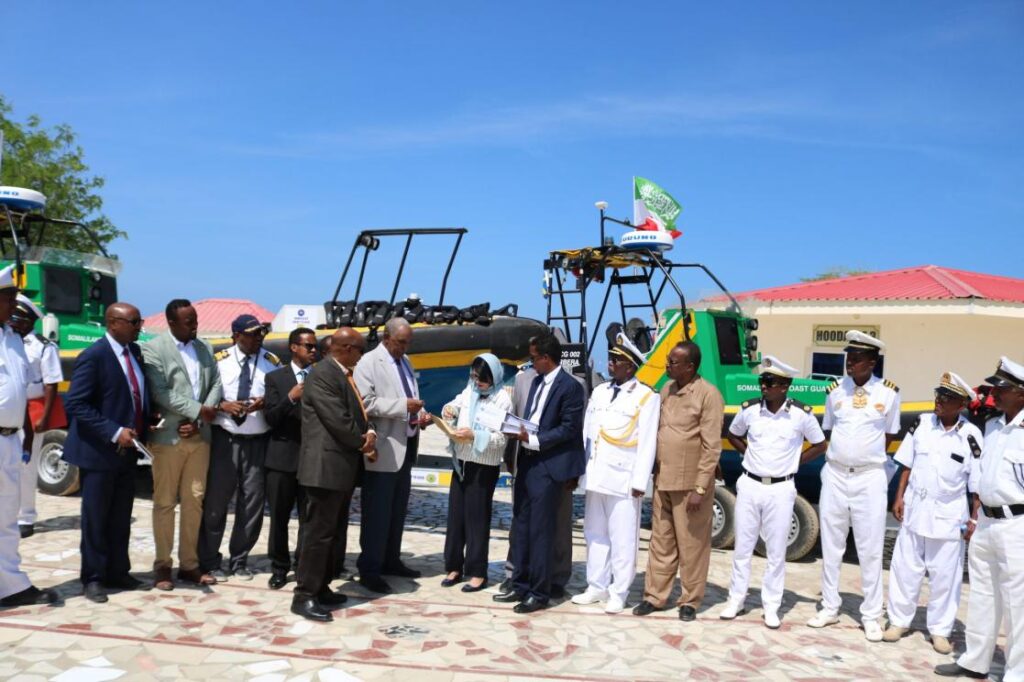
The Somaliland Ministry of Energy and Minerals, Somaliland Coast Guard, and IGAD Maritime Security Coordination Unit should operationalise a Joint Extractive and Coastal Enforcement Fusion Centre to consolidate licensing verification, customs oversight, and maritime monitoring functions. The centre must establish a unified digital registry integrating mineral concession records with export documentation and port inspection data across Sanaag’s inland–coastal corridor. Implementation should occur through interoperable satellite surveillance systems, port-level inspection protocols, and inland compliance verification units coordinated across jurisdictional boundaries. Data integration must be managed through a secure regional intelligence platform linking extractive and maritime datasets. Accountability should be enforced through quarterly compliance audits conducted under African Union Peace and Security Council oversight, ensuring regulatory continuity across fragmented governance spaces and reinforcing enforcement coherence across inland extraction zones and coastal export infrastructure.
4.2 Insurgent Integration into Extractive Corridors Requires Disruption of Mobility Economies
The African Union Peace and Security Council, Somaliland Ministry of Interior, and IGAD Security Sector Programme should establish a Corridor Disruption and Mobility Monitoring Framework targeting extractive transport routes linking inland mining zones to coastal export nodes. The framework must map and interdict brokerage networks, informal taxation systems, and labour recruitment pathways operating within Sanaag’s extractive economy. Implementation should be executed through joint operational field units embedded within IGAD security structures, supported by integrated intelligence-sharing mechanisms connecting customs authorities, inland enforcement units, and maritime surveillance systems. Mobility disruption protocols should prioritise real-time tracking of commodity flows across identified transit corridors. Accountability must be ensured through biannual regional security convergence assessments submitted to African Union counterterrorism governance mechanisms, reinforcing systemic disruption of insurgent financing embedded within extractive value chains.
4.3 Maritime Instability Requires Integrated Red Sea Surveillance Systems
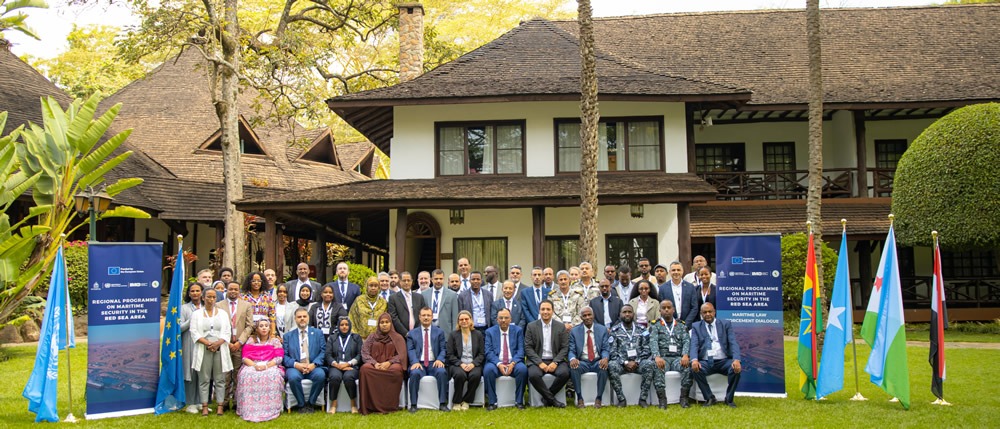
The Intergovernmental Authority on Development Maritime Unit, Djibouti Port Authority, and Somaliland Coast Guard should establish a Red Sea Maritime Surveillance Integration System, consolidating radar infrastructure, satellite tracking platforms, and coastal monitoring stations across the Gulf of Aden corridors. The system must integrate piracy detection, smuggling interdiction, and vessel identification functions within a unified maritime intelligence architecture. Implementation should occur through a centralised regional maritime command hub interoperable with African Union naval coordination frameworks and existing regional security mechanisms. Data exchange protocols must ensure real-time maritime situational awareness across participating institutions. Operational accountability should be enforced through monthly transparency reports submitted to IGAD and African Union oversight structures. The system strengthens early warning capacity and reduces surveillance blind spots across maritime corridors directly linked to extractive commodity transport flows and commercial shipping routes.
4.4 Geopolitical Mineral Competition Requires Governance Coordination Platform
The African Union Commission, IGAD Secretariat, and World Bank should establish a Greater Eastern Africa Extractive Governance Coordination Platform integrating licensing oversight, investment screening, and supply chain transparency mechanisms. The platform must standardise mineral concession registries, environmental compliance monitoring systems, and cross-border due diligence protocols across Somaliland and adjacent Horn of Africa jurisdictions. Implementation should be operationalised through an interoperable digital governance infrastructure linking regional economic communities, national regulatory authorities, and multilateral financial institutions. Institutional coordination should ensure harmonised regulatory visibility across extractive value chains and maritime export corridors. Accountability must be enforced through annual extractive governance audits published under African Union oversight and reviewed by participating states. The platform reduces regulatory fragmentation while aligning extractive governance systems with maritime security stabilisation requirements across strategically sensitive inland and coastal corridors in Greater Eastern Africa.
5. References
African Union. (2025). Security coordination mechanisms and mobility risks in the Horn of Africa. African Union Peace and Security Council.
African Union. (2025). Security dynamics and insurgent mobility economies in the Horn of Africa. African Union Peace and Security Council.
BBC News. (2026). Coastal governance constraints and informal port systems in the Gulf of Aden. https://www.bbc.com/news
BBC News. (2026). Maritime instability and armed actor connectivity in the Gulf of Aden. https://www.bbc.com/news
BBC News. (2026). Coastal infrastructure competition and geopolitical positioning in the Red Sea region. https://www.bbc.com/news
Institute for Security Studies. (2026). Maritime insecurity trends in the Western Indian Ocean and adaptive illicit economies. ISS Africa. https://issafrica.org
Institute for Security Studies. (2026). Maritime security trends in the Western Indian Ocean. ISS Africa. https://issafrica.org
International Crisis Group. (2025). Governance fragmentation and extractive licensing dynamics in Somaliland. https://www.crisisgroup.org
International Crisis Group. (2025). Governance fragmentation and extractive economies in the Horn of Africa. https://www.crisisgroup.org
International Organisation for Migration. (2025). Displacement, labour mobility, and informal economies in Somalia. https://www.iom.int
Reuters. (2026). Global competition over critical mineral supply chains and Horn of Africa implications. https://www.reuters.com
Reuters. (2026). Critical minerals competition and geopolitical realignment in the Horn of Africa. https://www.reuters.com
Reuters. (2026). Strategic competition over Red Sea maritime corridors and regional security implications. https://www.reuters.com
United Nations Office on Drugs and Crime. (2025). Transnational trafficking flows and illicit economy structures in East Africa. https://www.unodc.org