

1.0 Introduction
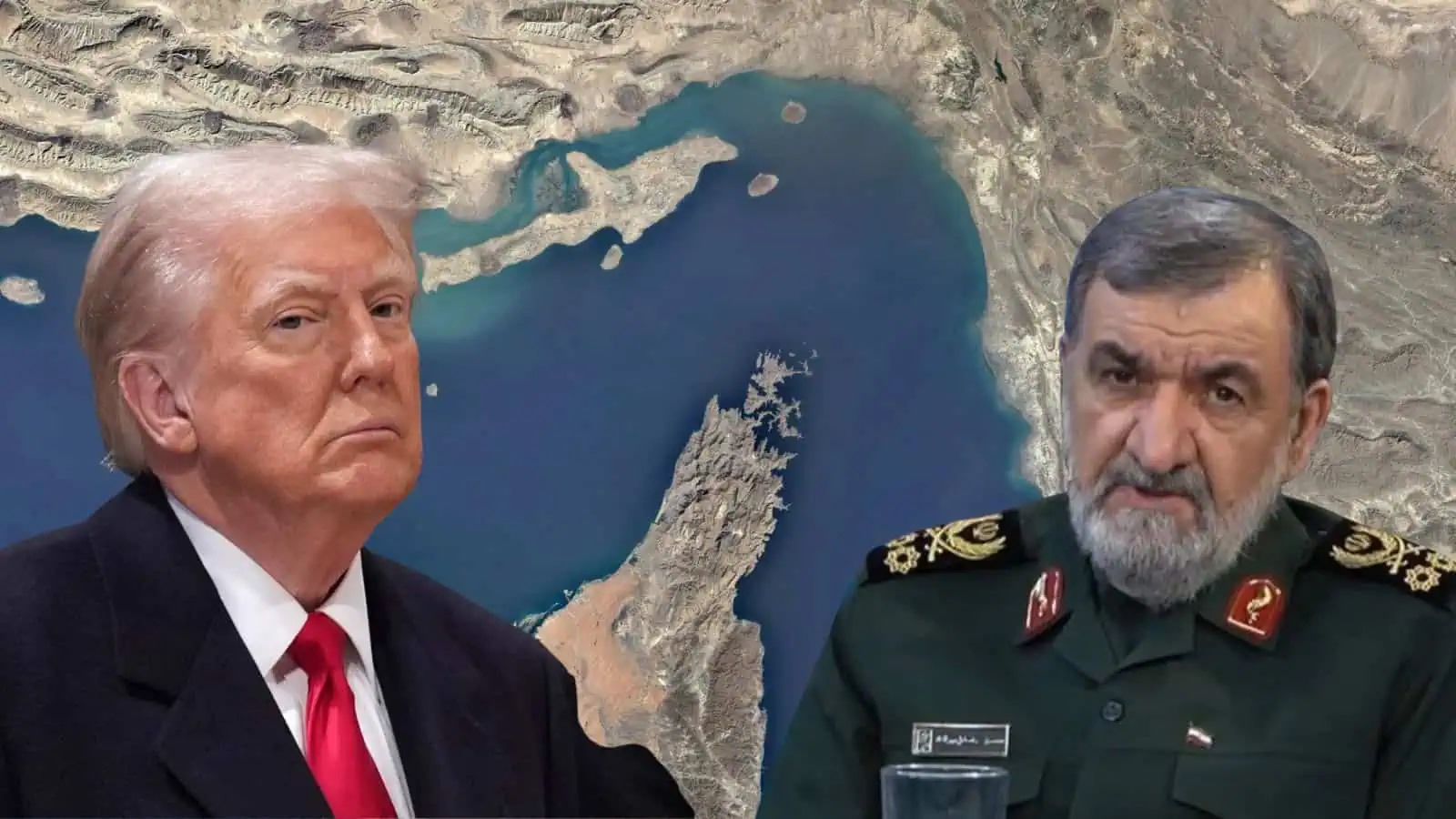
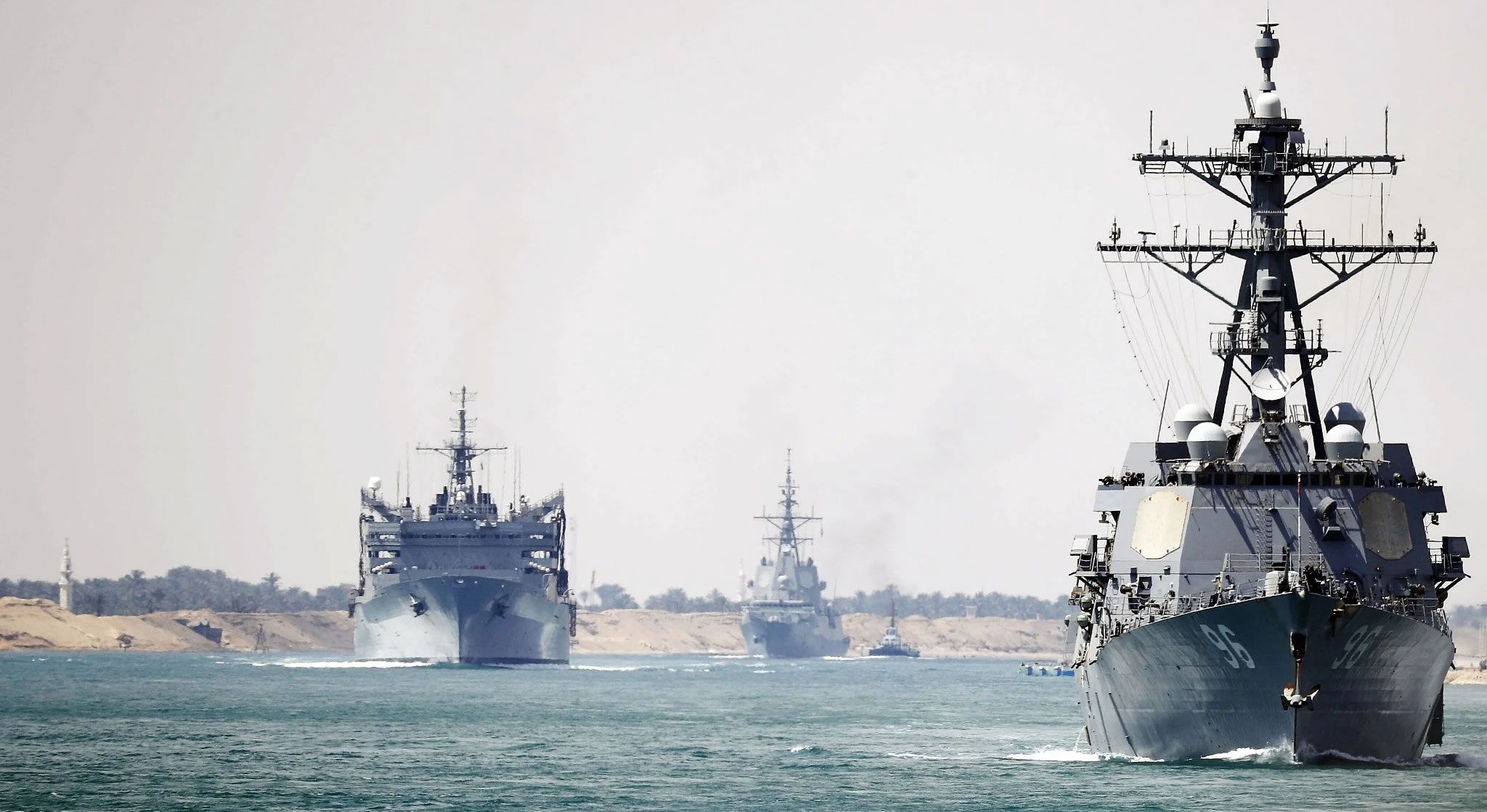
Renewed negotiations between the United States and Iran are recalibrating geopolitical risk transmission across the Red Sea and western Indian Ocean security architecture. The discussions centre on uranium enrichment limits, sanctions relief pathways, maritime security guarantees, missile capability constraints, and verification mechanisms governing Iran’s nuclear programme (Reuters, 2026). These dynamics extend beyond the Middle East through structured economic and security transmission channels affecting Greater Eastern Africa due to its dependence on Gulf energy flows, maritime insurance systems, and strategic shipping routes crossing the Strait of Hormuz and Bab el-Mandeb (UNCTAD, 2026). Volatility in Gulf security conditions has already increased freight costs and macroeconomic pressure within fuel-importing economies, including Kenya, Ethiopia, and Tanzania (IMF, 2026). At the same time, expanding naval deployments and strategic competition across Red Sea waters are reshaping maritime governance capacity and operational logistics across Horn of Africa corridors (BBC News, 2026). This commentary assesses how Gulf tensions transmit structural pressures into economic exposure, maritime security, institutional resilience, and geopolitical positioning across Greater Eastern Africa.
2.0 Key Issues
2.1 Maritime Exposure is Amplifying Systemic Economic Vulnerability
Tensions surrounding Iran’s negotiations continue to intensify risk conditions across the Strait of Hormuz and Bab el-Mandeb, which function as critical conduits linking Gulf energy exports to Greater Eastern Africa’s import-dependent economies. Approximately one-fifth of global crude oil shipments transit Hormuz, structurally exposing regional economies to disruptions in fuel supply chains, freight pricing, and maritime insurance systems (UNCTAD, 2026). Rising risk premiums have translated into inflationary pressure within transport-intensive economies such as Kenya and Ethiopia, where imported petroleum remains central to production and mobility systems (IMF, 2026). Expanding naval deployments across the Red Sea further compound commercial uncertainty within already congested maritime corridors (Reuters, 2026). These dynamics intersect with fragmented port governance and uneven maritime coordination capacity across Horn of Africa coastal states (BBC News, 2026). As a result, regional trade systems remain structurally exposed to external geopolitical shocks operating beyond immediate Eastern African institutional control thresholds (CSIS, 2026).
2.2 Sanctions Volatility Is Destabilising Macroeconomic Predictability
Uncertainty surrounding sanctions negotiations between Washington and Tehran continues to generate volatility across global energy markets, directly affecting macroeconomic stability in Greater Eastern Africa. Oil price fluctuations have intensified fiscal pressure within fuel-importing economies already constrained by inflationary dynamics, debt servicing burdens, and currency depreciation pressures (IMF, 2026). These pressures are distributed across fiscal consolidation constraints, inflation transmission into household consumption, and external balance instability affecting currency valuation. Simultaneously, Gulf-linked investment flows into Eastern African infrastructure, logistics corridors, and port expansion projects increasingly reflect geopolitical risk assessments tied to negotiation outcomes (Reuters, 2026). Uncertainty regarding Iran’s reintegration into global financial systems has further disrupted medium-term commercial planning across Red Sea trade networks (AfDB, 2026). Structural dependence on imported energy and externally financed infrastructure continues to embed external vulnerability into domestic economic frameworks (BBC News, 2026). These dynamics interact with limited regional coordination capacity in managing energy reserves and macroeconomic stabilisation across Greater Eastern Africa (International Crisis Group, 2026).
2.3 Verification Disputes Are Generating Strategic Uncertainty
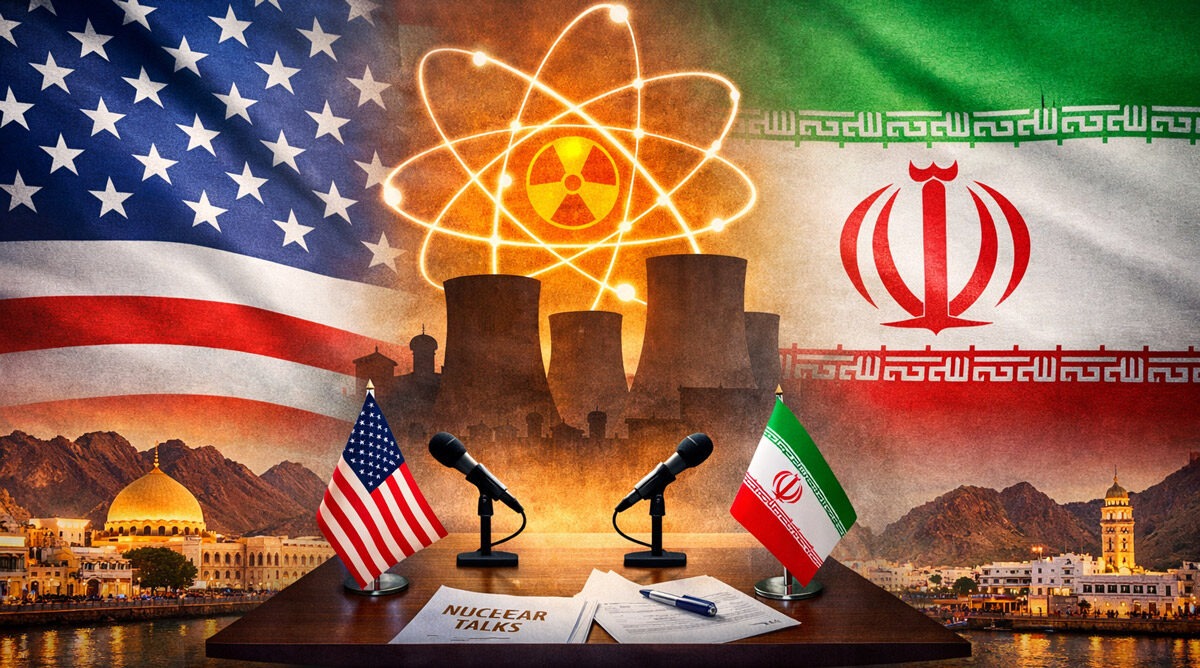
Disagreements over nuclear verification mechanisms remain central to ongoing diplomatic tensions between the United States and Iran, particularly regarding enrichment thresholds, centrifuge monitoring, and inspection access protocols (IAEA, 2026). This erosion of verification credibility has increased the perceived risk of escalation involving Gulf states and allied external actors operating within maritime corridors linked to Red Sea security systems (Reuters, 2026). Eastern African ports, including Mombasa, Djibouti, and Dar es Salaam, are consequently exposed to volatility in shipping insurance costs, cargo scheduling reliability, and trade continuity mechanisms (UNCTAD, 2026). Simultaneously, uncertainty over enforcement credibility has contributed to increased external military presence within the broader Horn of Africa maritime environment (Al Jazeera, 2026). These dynamics reveal institutional asymmetries between global security negotiation frameworks and regional maritime governance capacities across Eastern Africa (Chatham House, 2026).
2.4 Proxy Competition Is Fragmenting Regional Security Cohesion
The negotiations intersect with broader geopolitical competition involving Gulf states, Israel, Türkiye, China, and Western security actors operating across the Red Sea and Horn of Africa corridors. Competition over access, influence, and deterrence architectures is reshaping security alignments and diplomatic positioning across Greater Eastern Africa (Reuters, 2026). Fragile states such as Somalia and Sudan remain particularly exposed due to overlapping domestic fragmentation and external security partnerships involving multiple actors (International Crisis Group, 2026). Intensifying strategic competition around Djibouti and adjacent maritime infrastructure reflects wider contestation linked to Gulf security calculations (BBC News, 2026). These dynamics continue to strain coordination capacity within IGAD and overlapping African Union security frameworks (CSIS, 2026). External geopolitical rivalry is therefore increasingly embedded within domestic governance environments across Eastern Africa’s evolving security architecture (Al Jazeera, 2026).
3.0 Conclusion
Gulf tensions emerging from United States–Iran negotiations generate interconnected transmission effects across Greater Eastern Africa through maritime exposure, macroeconomic instability, verification uncertainty, and fragmented geopolitical competition. These dynamics operate through structurally embedded dependencies linking energy imports, maritime corridors, and external security architectures across the Red Sea and western Indian Ocean system. The resulting pressure profile is differentiated across economic stability, institutional capacity, and regional security coordination mechanisms rather than expressed as uniform disruption. As these channels converge, Eastern Africa is positioned within an externally conditioned risk environment shaped by evolving Gulf security trajectories and maritime governance contestation. The four analytical dimensions collectively establish a coherent exposure structure requiring continuous systemic interpretation of external geopolitical developments influencing regional stability conditions.
4.0 Policy Recommendations
4.1 Integrated Maritime Risk Governance Architecture
The IGAD Secretariat, EAC maritime authorities, and Djibouti Code of Conduct framework should establish a Red Sea Maritime Risk Governance Platform integrating shipping surveillance, fuel-route tracking, insurance-risk analytics, and maritime incident reporting across Greater Eastern Africa. The platform should be anchored within the IGAD Security Sector Programme and linked operationally to port authorities in Mombasa, Djibouti, Berbera, and Dar es Salaam. Participating states should formalise monthly maritime risk reporting protocols supported by interoperable digital systems connecting customs administrations, naval coordination units, and port management authorities. The African Union Peace and Security Council should conduct annual oversight through a regional maritime resilience index assessing coordination efficiency, response latency, and cross-border intelligence integration across the Red Sea and western Indian Ocean corridors.
4.2 Coordinated Regional Energy Resilience Framework
The EAC Secretariat, IGAD Infrastructure Division, and national energy ministries should operationalise a Regional Energy Resilience Framework integrating petroleum reserve coordination, fuel procurement alignment, and cross-border electricity interconnection systems. The framework should embed jointly governed emergency fuel release mechanisms, synchronised reserve disclosure protocols, and coordinated procurement structures administered through intergovernmental energy coordination units. National regulators should integrate real-time price volatility monitoring into fiscal planning and transport systems using shared regional data infrastructure. The African Development Bank should align financing instruments with energy diversification corridors, strategic storage expansion, and electricity transmission integration benchmarks assessed through annual regional resilience audits across Greater Eastern Africa.
4.3 Regional Trade Continuity and Verification Contingency Systems
Port authorities, customs agencies, and trade ministries across Greater Eastern Africa should institutionalise a Regional Trade Continuity Mechanism addressing disruptions arising from verification instability in Gulf negotiation outcomes. The mechanism should integrate cargo rerouting systems, harmonised emergency customs procedures, insurance coordination protocols, and synchronised port scheduling across Mombasa, Djibouti, Berbera, and Dar es Salaam. IGAD and EAC should jointly manage a centralised maritime disruption monitoring centre integrating shipping intelligence with trade continuity planning systems. National transport ministries should conduct quarterly contingency simulations involving logistics operators and customs agencies under African Union maritime coordination standards, ensuring operational readiness across interconnected supply chains.
4.4 Coordinated Geopolitical Risk Governance Framework
The African Union Commission, IGAD Secretariat, and EAC foreign affairs structures should establish a Greater Eastern Africa Geopolitical Risk Coordination Forum focused on Red Sea, Gulf, and western Indian Ocean security dynamics. The forum should institutionalise ministerial consultations, shared strategic assessments, and coordinated diplomatic positioning across defence, trade, and maritime governance institutions. Regional governments should embed geopolitical risk reporting into national planning, investment screening, and infrastructure prioritisation through interministerial coordination units. The African Union Peace and Security Council should oversee annual assessments of external military presence patterns, infrastructure exposure points, and institutional coordination capacity gaps across overlapping regional governance systems.
5.0 References
African Development Bank. (2026). African economic outlook 2026. https://www.afdb.org/en/knowledge/publications/african-economic-outlook
Al Jazeera. (2026, January 29). US-Iran tensions soar: What do both sides want? https://www.aljazeera.com/news/2026/01/29/us-iran-tensions-soar
Al Jazeera. (2026, February 6). Trump’s ‘maximalist demands’ for Iran put talks in Oman on uncertain ground. https://www.aljazeera.com/news/2026/02/06/trump-iran-oman-talks
Al Jazeera. (2026, May 24). US, Iran inch closer to deal to end the war: What to know. https://www.aljazeera.com/news/2026/05/24/us-iran-deal
BBC News. (2026). US-Iran negotiations and shifting Gulf security dynamics. https://www.bbc.com/news
BBC News. (2026). Red Sea maritime security and Horn of Africa risk environment. https://www.bbc.com/news/world/africa
Centre for Strategic and International Studies. (2026). Iran’s nuclear diplomacy and regional security dynamics. https://www.csis.org/analysis/iran-nuclear-diplomacy
Chatham House. (2026). Gulf security and Red Sea geopolitical risk assessment. https://www.chathamhouse.org/publication/gulf-security-red-sea-risk
International Atomic Energy Agency. (2026). Verification and monitoring in the Islamic Republic of Iran. https://www.iaea.org/topics/iran
International Crisis Group. (2026). The strategic implications of renewed US-Iran negotiations. https://www.crisisgroup.org/middle-east-north-africa
International Monetary Fund. (2026). Regional economic outlook: Sub-Saharan Africa. https://www.imf.org/en/Publications/REO/SSA
Reuters. (2026, May 18). Analysis: Trump’s geopolitical brinkmanship has hit a wall with Iran. https://www.reuters.com/world/middle-east/
Reuters. (2026, May 24). Most Gulf markets surge on US-Iran peace deal expectations. https://www.reuters.com/markets/
Reuters. (2026, May 24). Netanyahu told Trump that Israel will remain free to act against threats. https://www.reuters.com/world/
The Guardian. (2026, May 23). Trump claims peace deal with Iran ‘largely negotiated’ with Strait of Hormuz to open. https://www.theguardian.com/world
The Washington Post. (2026, May 24). Trump’s Iran exit ramp is a long shot. He doesn’t have a better option. https://www.washingtonpost.com/politics/
United Nations Conference on Trade and Development. (2026). Maritime trade and strategic chokepoints report 2026. https://unctad.org/publication/maritime-trade-strategic-chokepoints