

1.0 Introduction
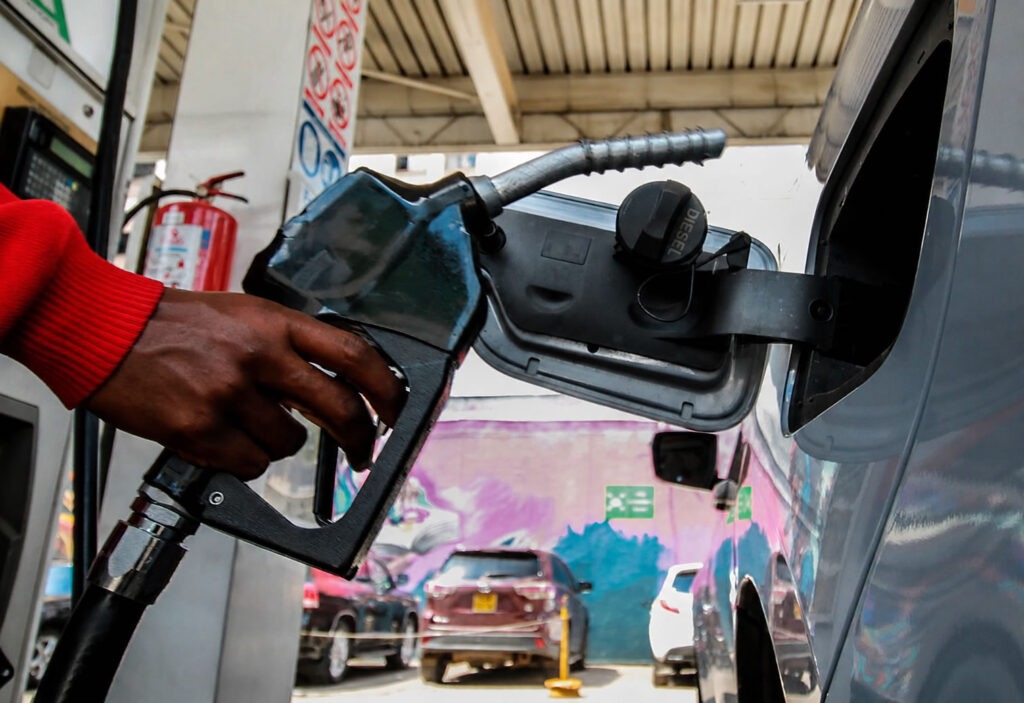
Kenya’s fuel price hike protests and fuel price volatility across Greater Eastern Africa increasingly acts as regional security stressors rather than narrow economic disturbances. Kenya and the Greater Eastern Africa countries remain heavily dependent on imported refined petroleum products routed through interconnected maritime and overland logistics systems centred on the Northern Corridor and the Port of Mombasa (East African Community, 2024). Consequently, fluctuations in global crude oil markets, exchange-rate depreciation, Red Sea maritime insecurity, and freight disruptions diffuse into transport costs, food inflation, urban household pressure, and fiscal instability across linked economies (World Bank, 2024). In Kenya, recurrent fuel-price related protests increasingly intersect with taxation disputes, unemployment pressures, and declining urban purchasing power, exposing governance and institutional resilience pressures within Greater Eastern Africa’s integrated economic architecture (Reuters, 2026). These dynamics intensify feedback loops between domestic political contestation and regional economic exposure, particularly along critical logistics corridors (BBC News, 2026). Digital communication networks further amplify the visibility of unrest across urban centres, accelerating perception transmission across borders. This commentary examines how Kenya’s fuel price hike related protests act as a regional instability transmission mechanism during sustained periods of external energy volatility.
2.0 Key Issues
2.1 Concentrated Import Systems Amplify External Exposure
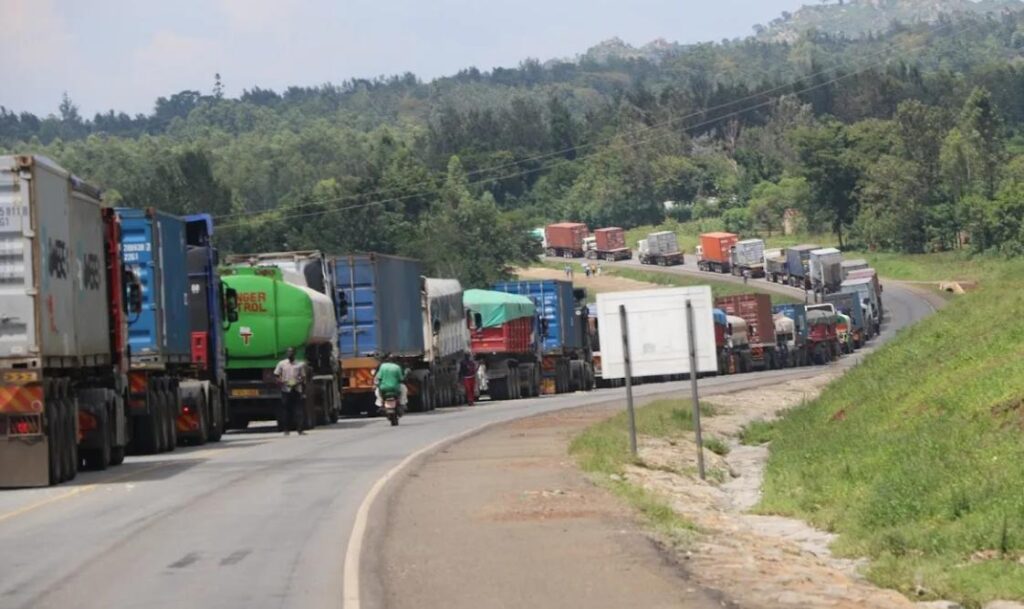
Global energy volatility penetrates Greater Eastern Africa through concentrated petroleum import systems linked to Gulf shipping routes, Red Sea transit corridors, and benchmark pricing mechanisms (World Bank, 2024). Kenya’s position within the Northern Corridor intensifies exposure because petroleum distribution systems serving Uganda, Rwanda, South Sudan, and eastern Democratic Republic of Congo depend on Kenyan ports, storage, and transport infrastructure (East African Community, 2024). During Kenya’s 2023 and 2024 fuel-related demonstrations, disruption along corridor segments generated delivery delays and commercial uncertainty across regional supply chains (Reuters, 2026). Imported inflation operates through interconnected transmission channels where external shocks interact with fiscal constraints, exchange-rate volatility, and logistics concentration. This configuration reduces adjustment speed across regional economies during sustained external price shocks and increases the sensitivity of domestic pricing systems to global market instability and transport disruptions (African Development Bank Group, 2025).
2.2 Urban Pricing Shocks Intensify Cross-Border Protest Diffusion
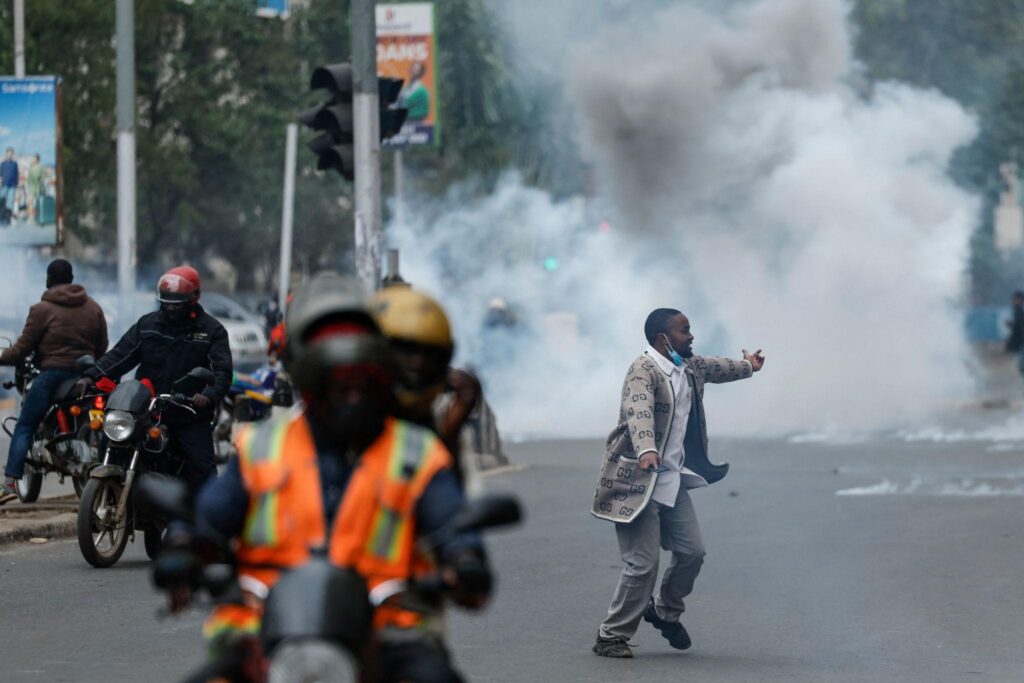
Fuel price escalation compresses urban socioeconomic stability across Greater Eastern Africa’s metropolitan systems, particularly Nairobi, Kampala, Kigali, Juba, and Dar es Salaam, where transport-dependent informal economies absorb inflationary pressure (UN-Habitat, 2022). In Kenya, fuel protests intersect with taxation pressures, declining purchasing power, unemployment, and fiscal adjustment measures, converting fuel pricing into a governance legitimacy indicator (Reuters, 2026). Digital communication systems across regional linguistic and commercial networks accelerate protest visibility and cross-border emulation between urban centres (United Nations Development Programme, 2024). These conditions produce transboundary signalling effects, as perceptions of institutional vulnerability circulate across interconnected cities. Urban systems, therefore, function as linked stress nodes, where localised economic grievances evolve into regionally resonant political signals that intensify governance pressure across multiple capitals and commercial hubs simultaneously (World Bank, 2024).
2.3 Corridor Concentration Increases Systemic Trade Fragility
Fuel-related unrest exposes structural fragility within Greater Eastern Africa’s trade architecture due to concentrated dependence on corridors linking Mombasa to inland economies (East African Community, 2024). Kenya’s central logistics position means domestic fuel protests affect cargo movement, fuel distribution, customs clearance, and commercial predictability across multiple states (Reuters, 2026). During recurrent episodes, transport slowdowns and localised insecurity around logistics nodes disrupt humanitarian operations, manufacturing inputs, agricultural trade, and fuel continuity across connected systems (African Development Bank Group, 2025). Insurance costs, freight delays, and inventory disruptions operate as secondary transmission effects extending beyond Kenya’s domestic environment. Corridor concentration, therefore, functions as a structural amplifier of regional economic fragility, where localised disruptions generate disproportionate cross-border effects due to limited redundancy in transport and supply chain architecture across integrated regional markets (World Bank, 2024).
2.4 Fiscal Constraints Escalate Governance and Security Strain
Fuel protests connect global commodity volatility directly to governance legitimacy across fiscally constrained Greater Eastern Africa economies managing debt servicing, subsidy reforms, and inflation control simultaneously (International Monetary Fund, 2025). In Kenya, demonstrations over fuel pricing impose operational pressure on security institutions that also manage terrorism threats, electoral tensions, organised crime, and border security (Reuters, 2026). Similar pressures emerge across regional systems where fiscal restructuring intersects with declining urban purchasing power and contested subsidy reforms (African Union Commission, 2023). Security institutions absorb expanding mandates involving crowd control, infrastructure protection, and economic unrest management. This creates institutional overstretch across urban centres and reduces responsiveness during periods of simultaneous economic and security stress. Fiscal constraint, therefore, operates as a structural multiplier of governance vulnerability under conditions of sustained external energy volatility (African Development Bank Group, 2025).
3.0 Conclusion
Kenya’s fuel price hike related protests reflect a regional instability structure linking external energy volatility to governance stress, corridor fragility, urban economic compression, and institutional strain across Greater Eastern Africa. Import dependence transmits global price shocks through concentrated logistics systems and fiscally constrained states. Urban protest dynamics operate through cross-border communication networks that amplify perceptions of institutional vulnerability beyond national boundaries (Reuters, 2026). Corridor concentration extends localised disruptions into regional economic exposure, affecting trade reliability and security systems (East African Community, 2024). Fuel pricing, therefore, acts as a systemic geopolitical indicator embedded within interconnected governance and mobility structures, shaping stability outcomes across the region during sustained external market disruption and institutional constraint.
4. 0 Policy Recommendations
4.1 Establish Regional Fuel Shock Monitoring Architecture
The IGAD Secretariat, East African Community Secretariat, Kenya Ministry of Energy and Petroleum, and Energy and Petroleum Regulatory Authority should establish a Regional Fuel Shock Monitoring Platform integrating corridor logistics data, maritime risk indicators, exchange rate exposure metrics, and fuel reserve reporting systems. The platform will operate through the IGAD Climate Prediction and Applications Centre with mandatory monthly submissions from regulators, customs agencies, and port authorities. It will generate standardised fuel risk advisories linked to corridor contingency protocols and emergency logistics coordination. Oversight will occur through annual ministerial reviews involving finance, transport, and energy ministries. Implementation accountability will remain embedded within IGAD and EAC coordination structures to ensure continuous regional compliance, data harmonisation, and operational readiness across interconnected fuel distribution systems and transport corridors.
4.2 Operationalise Urban Economic Stress Surveillance Mechanisms

National treasuries, interior ministries, urban authorities, and statistical agencies across IGAD and EAC member states need to operationalise a Regional Urban Economic Stress Surveillance System linking fuel price fluctuations to transport costs, informal sector pressures, food inflation, and protest frequency mapping. The system will operate through interoperable dashboards managed by the EAC Secretariat and national statistical offices using standardised templates and quarterly urban vulnerability assessments. Municipal authorities will integrate outputs into transport regulation planning and inflation response communication frameworks. Biannual reporting will be submitted to the EAC Sectoral Council on Finance and Investment. Accountability will be ensured through public analytical summaries and institutional peer review mechanisms designed to strengthen anticipatory governance capacity across urban systems exposed to synchronised inflationary and mobility pressures.
4.3 Secure and Regulate Strategic Fuel and Trade Corridors
The Northern Corridor Transit and Transport Coordination Authority, Kenya Ports Authority, EAC Secretariat, and national transport ministries should operationalise a Corridor Stability Protection Framework integrating fuel continuity planning, cargo rerouting procedures, and security coordination protocols across logistics nodes. The framework will establish protected fuel transit schedules, interoperable customs contingency systems, and emergency freight coordination units activated during unrest or maritime disruption. Implementation will operate through legally codified corridor continuity agreements under EAC transport instruments. Quarterly logistics resilience audits will monitor compliance. Accountability will remain within corridor governance institutions supported by incident reporting mechanisms involving customs agencies, transport regulators, petroleum authorities, and infrastructure protection units to ensure uninterrupted regional fuel distribution and trade continuity under stress conditions affecting interconnected economies.
4.4 Align Fiscal Stabilisation with Security Governance Systems
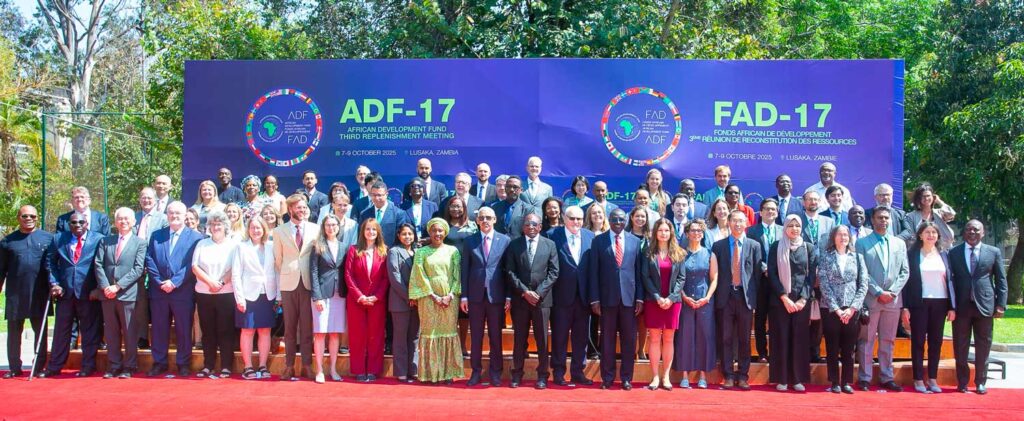
Finance ministries, central banks, interior ministries, and parliamentary budget committees across Greater Eastern Africa are to establish coordinated Fuel-Related Fiscal Stabilisation Frameworks linking subsidy adjustment procedures, inflation management, and internal security contingency planning. The framework will require interministerial fiscal impact assessments before implementation of fuel tax or subsidy reforms affecting transport-dependent populations. Delivery will operate through coordination platforms jointly chaired by the finance and interior ministries, with participation from energy regulators, competition authorities, and disaster management agencies. Annual stress testing exercises will evaluate readiness across fuel disruption, urban unrest, and corridor security scenarios. Accountability will be ensured through parliamentary reporting requirements and regional peer review mechanisms coordinated through IGAD and EAC governance structures to maintain fiscal discipline and security responsiveness under external volatility pressures.
5.0 References
African Development Bank Group. (2025). African economic outlook 2025: Making Africa’s capital work better for Africa’s development. https://www.afdb.org/en/knowledge/publications/african-economic-outlook
African Union Commission. (2023). African Governance Report 2023. https://au.int/en/documents
Agence France-Presse. (2026). East Africa logistics disruption and fuel price instability reporting. https://www.afp.com
Associated Press. (2026). East Africa fuel price volatility and transport sector disruptions. https://apnews.com
East African Community. (2024). EAC facts and figures report 2024. https://www.eac.int/documents/category/facts-and-figures
Energy and Petroleum Regulatory Authority (EPRA). (2026). Fuel price review updates and regulatory statements. https://www.epra.go.ke
International Monetary Fund. (2025). World economic outlook: A critical juncture amid policy shifts. https://www.imf.org/en/Publications/WEO
Nation Media Group. (2026). Kenya fuel price protests and transport sector responses. https://nation.africa
Reuters. (2026). Kenya’s fuel price adjustments and public demonstrations are linked to cost-of-living pressures. https://www.reuters.com
United Nations Development Programme. (2024). Human Development Report 2023/2024. https://hdr.undp.org
United Nations Human Settlements Programme. (2022). World Cities Report 2022. https://unhabitat.org
World Bank. (2024). Global economic prospects: June 2024. https://www.worldbank.org/en/publication/global-economic-prospects