

1.0 Introduction
Green digital transformation is accelerating across Greater Eastern Africa as governments invest in artificial intelligence, cloud computing, broadband connectivity, digital public infrastructure, and data centres to stimulate economic growth, modernise public service delivery, and deepen regional integration in line with continental development priorities (African Union Commission, 2020). However, the computing infrastructure supporting this transition is expanding faster than the environmental systems required to sustain it, increasing electricity demand, critical mineral consumption, greenhouse gas emissions, and electronic waste, thereby elevating environmental sustainability from a peripheral technological concern to a central development challenge (UNECA, 2025; ITU & UNITAR, 2024). Green computing provides a practical framework for reducing the environmental footprint of digital technologies through energy-efficient infrastructure, circular resource management, responsible procurement, and sustainable lifecycle practices (UNCTAD, 2025). Integrating these principles into digital transformation is increasingly important for strengthening resource efficiency, environmental resilience, and long-term sustainable development. This commentary examines the principal structural barriers constraining green computing adoption across Greater Eastern Africa and assesses their implications for sustainable development.
2.0 Key Issues
2.1 Rising Energy Demand from Digital Infrastructure
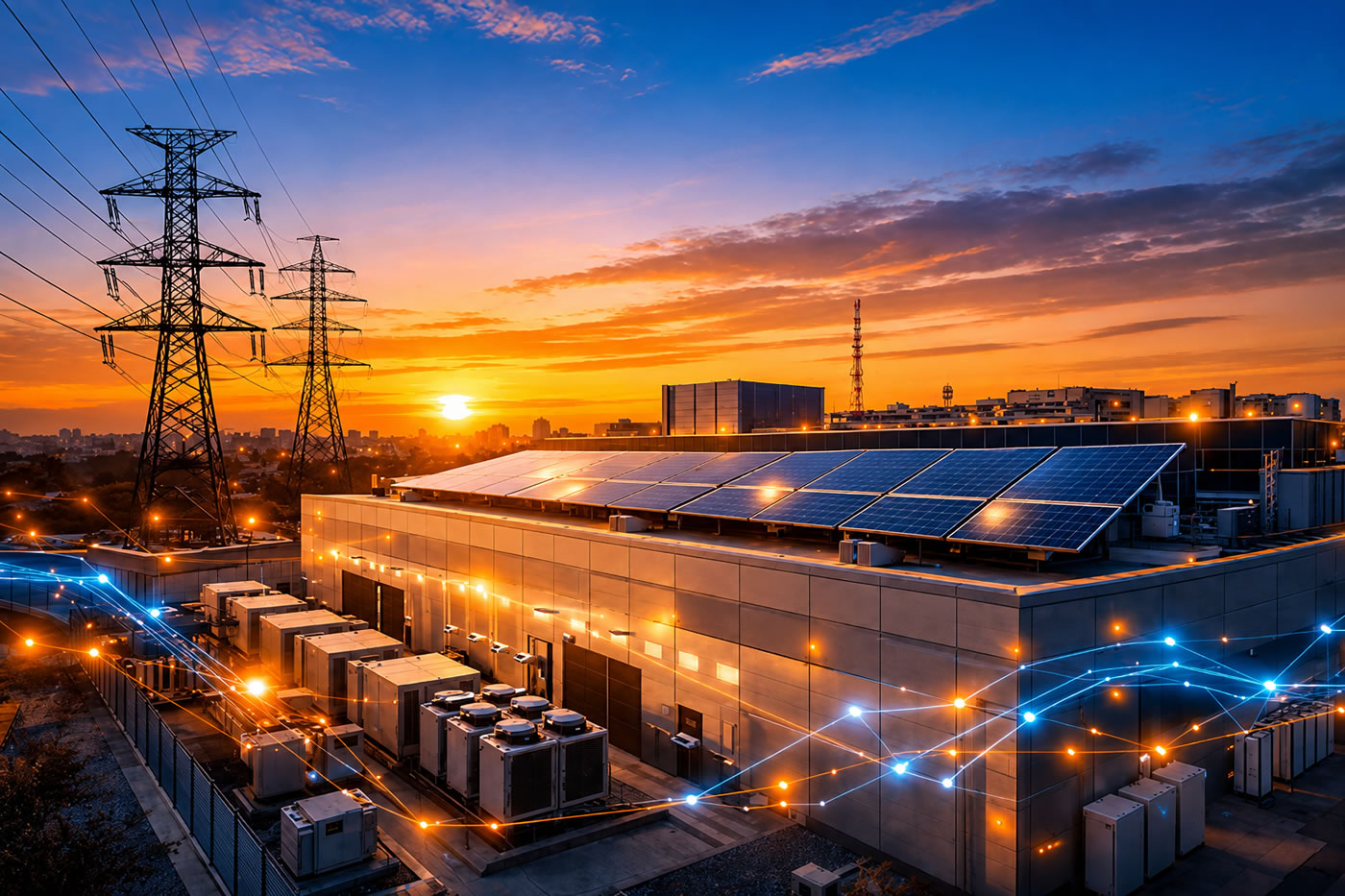
The rapid expansion of digital infrastructure is substantially increasing energy demand across Greater Eastern Africa, creating new sustainability challenges for digital development. Cloud computing, artificial intelligence, broadband networks, and data centres require continuous electricity to operate servers, storage systems, and cooling technologies, making energy availability an increasingly important determinant of sustainable digital development (AUC, 2020). Demand is growing faster than electricity supply across much of the region, placing additional pressure on national grids that remain predominantly carbon-intensive (IEA, 2025). Although Greater Eastern Africa possesses significant hydropower, solar, and geothermal resources, renewable energy deployment remains uneven and insufficiently integrated into digital infrastructure planning (UNECA, 2025). Consequently, many digital facilities continue to rely on carbon-intensive electricity systems, increasing operational emissions and environmental pressures (ITU & UNITAR, 2024). Without greater integration of renewable energy into digital infrastructure, rising electricity demand will continue to increase the environmental footprint of digital transformation (UNCTAD, 2025).
2.2 Growing Electronic Waste and Circular Economy Constraints
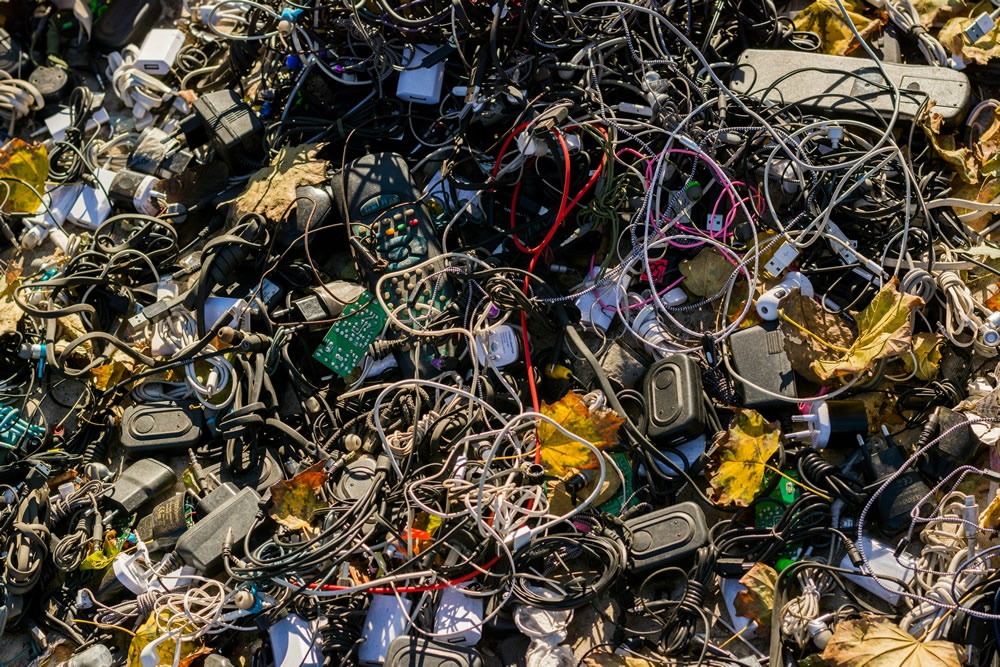
Electronic waste is increasing faster than the region’s capacity to manage, recycle, and recover valuable materials. Growing consumption of computers, mobile devices, servers, batteries, and network equipment continues to outpace formal collection, recycling, and environmentally sound disposal systems across Greater Eastern Africa (ITU & UNITAR, 2024). Where formal systems remain inadequate, informal recycling through open burning and unsafe dismantling releases hazardous substances, including lead, mercury, cadmium, and persistent organic pollutants, posing significant risks to ecosystems and public health (UNEP, 2024). Although informal recycling contributes to livelihoods and material recovery, unregulated processing substantially undermines environmental sustainability and circular economy objectives (WHO, 2024). Limited recycling infrastructure, refurbishment capacity, and critical mineral recovery systems continue to constrain resource efficiency and circular economy development across the region (UNCTAD, 2025).
2.3 Regulatory and Institutional Constraints on Green Computing
Regulatory and institutional capacity has not kept pace with the environmental demands of digital transformation across Greater Eastern Africa. Although many countries have adopted national digital transformation strategies, implementation remains constrained by limited enforcement capacity, fragmented institutional responsibilities, and the absence of dedicated green computing policies (UNECA, 2025). Existing regulatory frameworks provide insufficient guidance on energy-efficient computing, sustainable public procurement, electronic waste management, and extended producer responsibility (AUC, 2020). While national digital strategies promote efficiency and improved public service delivery, they generally lack explicit provisions for environmentally sustainable computing, leaving important regulatory gaps unaddressed (UNCTAD, 2025). Limited technical expertise within regulatory institutions and low awareness of green computing practices further constrain implementation and compliance (ITU & UNITAR, 2024). Collectively, these institutional constraints continue to impede the integration of green computing into national digital transformation agendas (AfDB, 2025).
2.4 Dependence on Imported Digital Technologies
Dependence on imported digital technologies gives external supply chains a defining influence over Greater Eastern Africa’s transition to environmentally sustainable computing. Decisions concerning product design, energy efficiency, durability, and end-of-life management are largely determined outside the region, limiting domestic influence over environmental outcomes (UNCTAD, 2025). Reliance on imported equipment also increases exposure to obsolete and near-end-of-life products that frequently enter national markets with shortened effective lifecycles, accelerating electronic waste generation (ITU & UNITAR, 2024). Limited domestic manufacturing, refurbishment, repair, and recycling capacity further constrains opportunities to extend product lifecycles, recover critical materials, and strengthen circular economy systems (UNECA, 2025). Consequently, continued dependence on imported digital technologies limits regional technological resilience, value addition, and the long-term sustainability of green computing across Greater Eastern Africa (AfDB, 2025).
3.0 Conclusion

Greater Eastern Africa’s digital transformation carries direct environmental costs. Rising energy demand, accelerating electronic waste, institutional constraints on green computing governance, and structural import dependence are mutually reinforcing: energy reliance amplifies emissions, import dependence accelerates waste, and institutional weakness prevents either from being systematically addressed. Sustainability is digital strategy. Integrating environmental objectives into digital transformation policies would improve resource efficiency, reduce environmental exposure, and strengthen the long-term resilience of digital systems across the region. The structural barriers identified in this commentary are addressable through coordinated policy action, and the recommendations that identify the specific institutional measures required.
4.0 Policy Recommendations
4.1 Integrate Energy Efficiency into Digital Infrastructure Investment
National ICT ministries, working with energy and environment ministries, should integrate energy efficiency into digital transformation policies and digital infrastructure investment frameworks. Communications regulators should establish and enforce minimum energy performance standards for data centres, cloud infrastructure, broadband networks, and digital public infrastructure. Public procurement authorities should require minimum energy-efficiency standards for digital infrastructure and computing equipment. Regional organisations should coordinate harmonised technical standards, strengthen knowledge exchange, and facilitate investment in environmentally sustainable digital infrastructure. These measures would improve energy efficiency, reduce the environmental footprint of digital infrastructure, and strengthen sustainable digital development throughout Greater Eastern Africa.
4.2 Strengthen Circular Economy Systems for Electronic Waste
National environment ministries, working with ICT ministries, should establish integrated electronic waste management systems that promote formal collection, recycling, refurbishment, and environmentally sound disposal. Environmental regulators should strengthen licensing, compliance monitoring, and enforcement of electronic waste management standards. Public procurement authorities should require durable, repairable, and recyclable digital equipment. Manufacturers, importers, and distributors should implement extended producer responsibility programmes to improve product stewardship and resource recovery. Regional organisations should harmonise electronic waste management standards and strengthen cross-border cooperation to support circular economy development. These measures would reduce electronic waste, strengthen circular economy systems, improve resource efficiency, and support sustainable digital development throughout Greater Eastern Africa.
4.3 Strengthen Green Computing Governance and Institutional Capacity

National ICT and environment ministries should develop comprehensive green computing policies aligned with national digital transformation and environmental sustainability strategies. Communications regulators should strengthen regulatory frameworks that promote energy-efficient computing, sustainable digital infrastructure, and responsible electronic waste management. Public institutions should strengthen technical capacity through specialised training, research, and knowledge-sharing programmes to support policy implementation and regulatory compliance. Universities and research institutions should expand education, research, and innovation in sustainable computing technologies and environmental management. Regional organisations should facilitate policy harmonisation, technical cooperation, and institutional learning to strengthen green computing governance. These measures would strengthen regulatory effectiveness, institutional capacity, and sustainable digital development throughout Greater Eastern Africa.
4.4 Promote Sustainable Digital Manufacturing and Technology Innovation
National industry and ICT ministries, working with trade and investment authorities, should strengthen policies that promote domestic digital manufacturing, assembly, refurbishment, and repair industries. Investment agencies should support public and private investment in sustainable digital manufacturing and local technology innovation. Research institutions and universities should expand research, innovation, and skills development in environmentally sustainable digital technologies. Public procurement authorities should prioritise locally assembled, repairable, and environmentally sustainable digital technologies that meet recognised quality standards. Regional organisations should strengthen regional value chains, technology transfer, and investment partnerships. These measures would strengthen regional manufacturing capacity, technological resilience, value addition, and sustainable digital development throughout Greater Eastern Africa.
5.0 References
African Development Bank. (2025). African economic outlook 2025. https://www.afdb.org/en/documents/african-economic-outlook-2025
African Union Commission. (2020). The digital transformation strategy for Africa (2020–2030). https://au.int/en/documents/20200518/digital-transformation-strategy-africa-2020-2030
International Energy Agency. (2025). Electricity 2025: Analysis and forecast to 2027. https://www.iea.org/reports/electricity-2025
International Telecommunication Union & United Nations Institute for Training and Research. (2024). The global e-waste monitor 2024. https://www.itu.int/en/ITU-D/Environment/Pages/Spotlight/Global-Ewaste-Monitor-2024.aspx
United Nations Conference on Trade and Development. (2025). Technology and innovation report 2025. https://unctad.org/tir2025
United Nations Economic Commission for Africa. (2025). Economic report on Africa 2025. https://repository.uneca.org/handle/10855/ERA2025
United Nations Environment Programme. (2024). Global resources outlook 2024: Bend the trend. https://www.unep.org/resources/global-resources-outlook-2024
World Health Organization. (2024). Electronic waste (e-waste). https://www.who.int/news-room/fact-sheets/detail/electronic-waste-(e-waste)