

1.0 Introduction
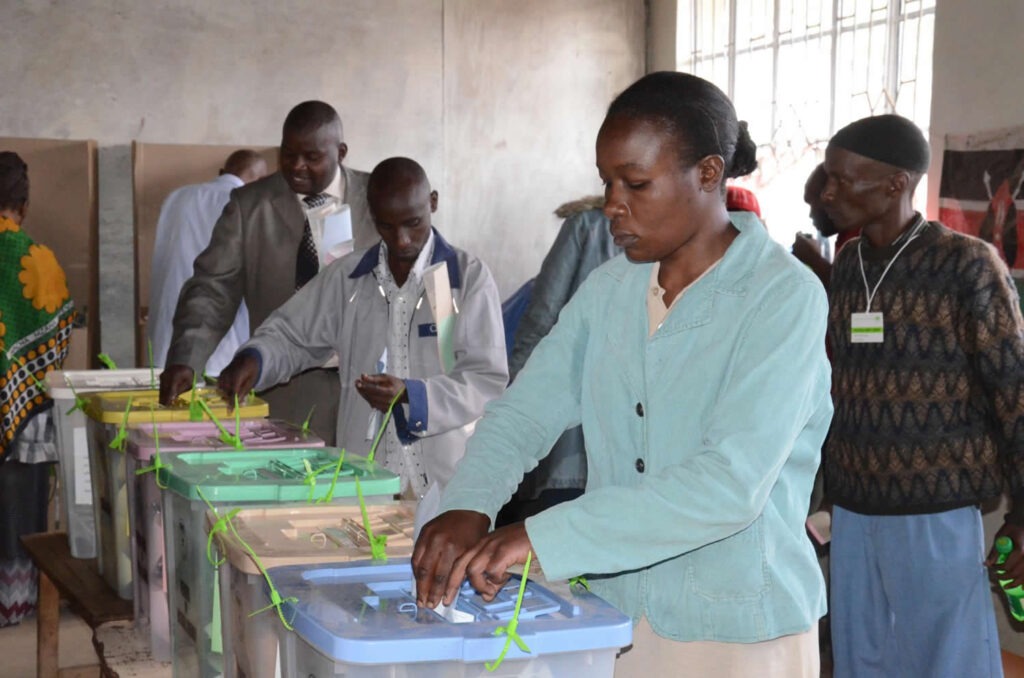
Kenya is entering a critical electoral cycle as preparations for the 2027 General Election gradually gather momentum. While attention has largely focused on electoral reforms, political alliances, campaign financing, and institutional preparedness, comparatively little emphasis has been placed on the strategic role of voter education in safeguarding democratic stability. Traditionally viewed as a statutory requirement intended to inform citizens about voting procedures and electoral rights, voter education has often been implemented as a short-term activity concentrated in the months preceding polling day. This narrow approach overlooks its broader potential as a preventive governance tool capable of strengthening democratic resilience and mitigating electoral conflict.
Kenya’s electoral history illustrates that democratic transitions are periods of heightened political, social, and security risks. The post-election violence following the 2007 General Election, which resulted in over 1,100 deaths and displaced approximately 600,000 people, underscored the consequences of political polarization, misinformation, institutional mistrust, and inadequate civic preparedness (Commission of Inquiry into Post-Election Violence [CIPEV], 2008). Although subsequent elections have demonstrated improvements in electoral management and conflict mitigation, concerns over hate speech, misinformation, declining institutional trust, and localized political violence continue to pose significant threats to peaceful democratic transitions (Independent Electoral and Boundaries Commission [IEBC], 2023; National Cohesion and Integration Commission [NCIC], 2022).
This commentary argues that voter education should be repositioned from a procedural electoral activity to a strategic Early Warning and Early Response (EWER) mechanism. By empowering citizens with knowledge, strengthening institutional trust, enhancing digital literacy, and encouraging community-based reporting of emerging electoral risks, voter education can contribute significantly to peaceful political transitions and electoral integrity.
2.0 Key Issues
2.1 Voter Education as a Preventive Conflict Management Tool
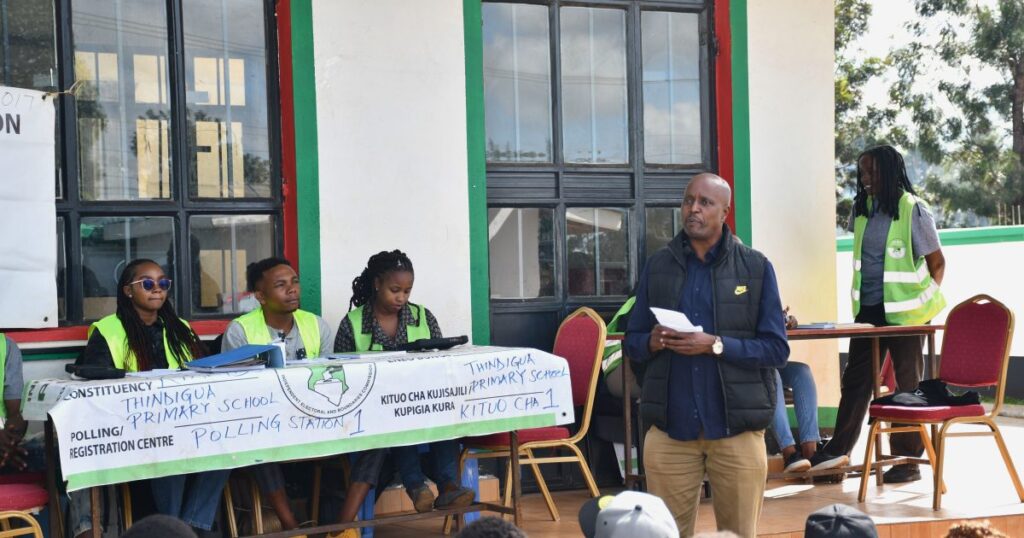
Early Warning and Early Response systems traditionally rely on intelligence gathering, conflict monitoring, and rapid security interventions. While these mechanisms remain essential, they often become effective only after tensions have already begun to emerge. Voter education complements these systems by addressing the behavioural and informational drivers of electoral conflict before they escalate.
An informed electorate is less susceptible to political incitement, ethnic mobilization, electoral manipulation, and inflammatory rhetoric. Civic education equips citizens with the knowledge necessary to understand electoral processes, appreciate legal mechanisms for dispute resolution, and reject violence as a means of expressing political grievances. According to the United Nations Development Programme (UNDP, 2022), sustained civic education contributes to stronger electoral integrity by increasing public confidence in democratic institutions and reducing the likelihood of election-related violence.
2.2 Countering Misinformation and Digital Electoral Threats
The rapid expansion of digital technologies has transformed Kenya’s electoral environment. Social media platforms have become powerful tools for civic engagement while simultaneously facilitating the rapid spread of misinformation, hate speech, manipulated content, and coordinated disinformation campaigns.
False information concerning voter registration, election technology, polling procedures, or election results can quickly undermine public confidence and trigger unnecessary tensions. UNESCO (2023) argues that media and information literacy has become an indispensable component of democratic participation because informed citizens are better positioned to distinguish credible information from deliberate manipulation. Consequently, voter education should increasingly incorporate digital literacy skills that enable citizens to verify electoral information and identify misinformation before it fuels conflict.
2.3 Building Public Trust in Democratic Institutions
Electoral legitimacy depends not only on credible election administration but also on public confidence in democratic institutions. Trust in the Independent Electoral and Boundaries Commission (IEBC), the Judiciary, security agencies, political parties, and electoral dispute resolution mechanisms significantly influences whether citizens accept election outcomes peacefully.
Afrobarometer (2024) notes that declining public trust in governance institutions is associated with greater political dissatisfaction and heightened risks of instability. Comprehensive voter education that clearly explains electoral procedures, vote tallying systems, legal complaint mechanisms, and institutional mandates can reduce uncertainty, dispel rumours, and strengthen confidence throughout the electoral cycle.
2.4 Community-Based Early Warning Networks
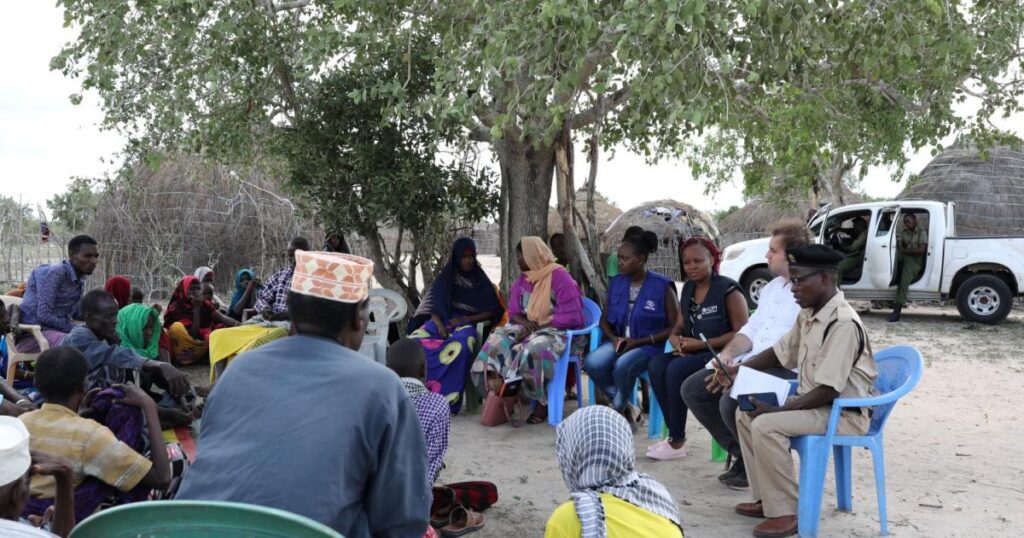
Communities often detect early indicators of electoral tensions before national institutions do. Religious leaders, teachers, youth organizations, women’s groups, persons with disabilities’ organizations, civil society actors, community health volunteers, and local administrators frequently observe hate speech, political intimidation, electoral bribery, and localized disputes in their early stages.
Integrating these actors into voter education programmes creates community-based early warning networks capable of identifying and reporting emerging threats before they escalate. Such an approach transforms civic educators into active contributors to electoral peacebuilding rather than merely providers of voter information.
2.5 Inclusive Civic Engagement for Democratic Resilience
Young people, women, persons with disabilities, refugees, internally displaced persons, and marginalized communities require targeted voter education strategies. Young people remain particularly vulnerable to political manipulation through digital platforms and economic frustrations that may increase susceptibility to recruitment into electoral violence.
Similarly, women continue to face gender-based political violence, intimidation, and barriers to participation despite constitutional protections. Inclusive voter education that responds to these realities enhances political participation while strengthening social cohesion. The African Union Commission (2020) identifies civic participation and youth engagement as central pillars of conflict prevention and democratic consolidation across Africa.
3.0 Conclusion
Kenya’s democratic future depends not only on credible electoral institutions but also on informed and responsible citizens. As the country prepares for the 2027 General Election, voter education should no longer be viewed simply as an electoral obligation but as a strategic national investment in conflict prevention and democratic resilience.
Positioning voter education within the country’s Early Warning and Early Response architecture would enable citizens to recognize emerging risks, resist misinformation, strengthen institutional trust, and actively contribute to peaceful political transitions. In an increasingly digital and politically polarized environment, democratic stability will depend as much on informed citizens as on effective electoral administration. A peaceful transition in 2027 will therefore begin long before polling day, it will begin with continuous civic education that empowers citizens to become both guardians of democracy and agents of peace.
4.0 Policy Recommendations
- Kenya should institutionalize continuous voter education throughout the entire electoral cycle rather than concentrating civic education activities immediately before elections. To this end, adequate and predictable financing should be allocated for this purpose as a long-term investment in democratic governance, peacebuilding, and national cohesion rather than as a short-term electoral expenditure.
- The IEBC should formally integrate voter education into national Early Warning and Early Response frameworks through collaboration with the NCIC, the National Steering Committee on Peacebuilding and Conflict Management, security agencies, and county peace structures.
- Digital literacy and other specialized voter education programmes should become a mandatory component of voter education programmes to enhance citizens’ capacity to identify misinformation, verify electoral information, responsibly engage on social media platforms and hence promote inclusive democratic participation.
- Government institutions should strengthen partnerships with civil society organizations, faith-based organizations, universities, media houses, youth organizations, women’s networks, and community-based organizations to expand the reach and credibility of voter education initiatives.
- Community-based reporting mechanisms should be incorporated into voter education programmes to enable timely reporting of hate speech, political intimidation, electoral bribery, and other early indicators of electoral conflict.
5.0 References
African Union Commission. (2020). Continental Early Warning System framework.
Afrobarometer. (2024). Round 10 survey findings on democracy, governance and public trust in Africa.
Commission of Inquiry into Post-Election Violence. (2008). Final report (The Waki Report). Government of Kenya.
Independent Electoral and Boundaries Commission. (2023). Post-2022 General Election evaluation report.
National Cohesion and Integration Commission. (2022). Election monitoring and hate speech assessment report.
United Nations Development Programme. (2022). Enhancing electoral integrity through civic and voter education.
UNESCO. (2023). Media and information literacy: Countering disinformation in democratic processes.