

1. Introduction
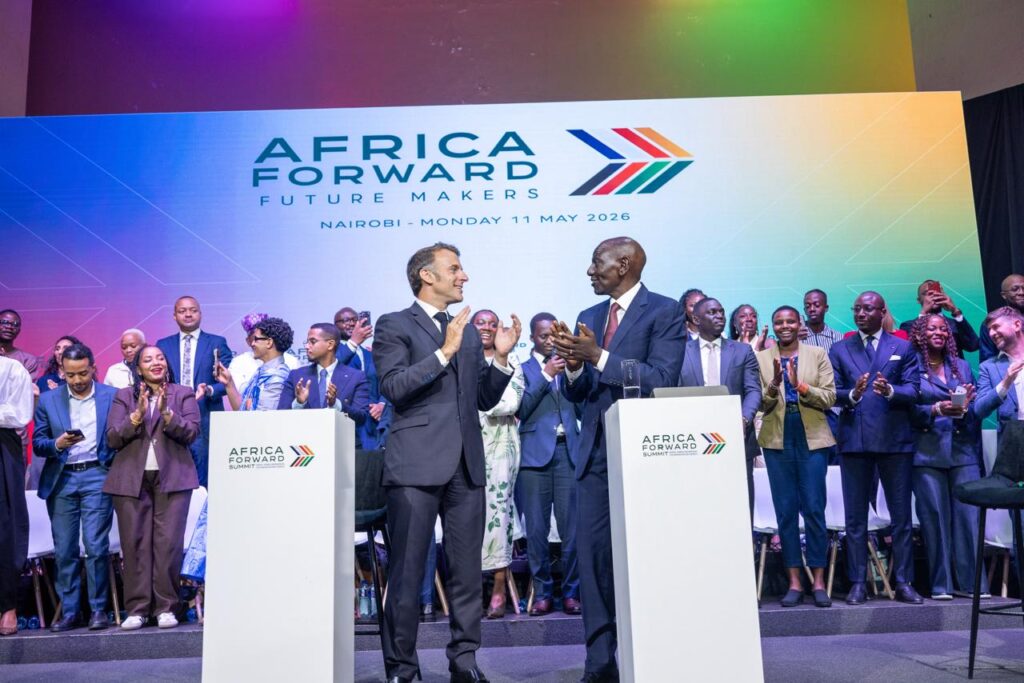
The Africa Forward Summit, convened in Nairobi in May 2026, constitutes the inaugural hosting of a high-level Africa–France geoeconomic summit within Greater Eastern Africa. The gathering integrates heads-of-state diplomacy, capital mobilisation frameworks, and strategic coordination on infrastructure finance, digital systems, energy transition pathways, and maritime logistics governance. Its Nairobi location marks a spatial departure from the historical concentration of comparable engagements in West and Central Africa, signalling a reorientation of Africa–external strategic interaction toward the Indian Ocean–Red Sea continuum.
This shift unfolds within accelerating transformations in global capital circulation, supply-chain restructuring, and infrastructure-led competition across emerging markets. Kenya’s hosting position reflects its consolidation as a regional gateway linking maritime trade arteries, inland economic systems, and external financial architectures. Concurrently, Greater Eastern Africa exhibits uneven institutional synchronisation between accelerating economic integration and fragmented governance and security coordination across the Inter-Govermental Authority on Development (IGAD) and East African Community (EAC) frameworks.
Within this evolving configuration, the summit operates not as a conventional diplomatic forum but as a geoeconomic signalling mechanism embedded in broader structural realignment processes. The purpose of this commentary is to assess how the Africa Forward Summit is reshaping Kenya’s positional authority and redefining Greater Eastern Africa within emerging global financial, logistical, and security architectures.
2. Key Issues
2.1 Financial architectures are recalibrating regional asymmetries
The Africa Forward Summit reflects a structural recalibration of sovereign financing regimes and investment allocation logics across Greater Eastern Africa. Kenya’s expanding intermediary role within cross-border capital channels contrasts with uneven fiscal absorption capacities across neighbouring jurisdictions, thereby entrenching differentiated economic positioning within the IGAD and EAC systems. The African Development Bank identifies persistent infrastructure financing deficits concentrated in transport and energy sectors across the region (African Development Bank, 2026). The International Monetary Fund records heightened sovereign exposure to global interest rate volatility and risk repricing dynamics affecting frontier economies (International Monetary Fund, 2026). The World Bank highlights constrained domestic credit deepening and limited intermediation depth across East African financial systems (World Bank, 2026). Collectively, these dynamics indicate a non-linear integration trajectory in which financial connectivity expands while distributive equilibrium remains structurally uneven, reshaping bargaining power within sovereign debt markets and infrastructure investment ecosystems across an increasingly stratified regional financial architecture.
2.2 Maritime infrastructures are reorganising corridor centrality

The Africa Forward Summit reinforces the structural elevation of Kenya’s maritime and logistics systems within the regional trade architecture. Expansion of the Port of Mombasa and associated corridor investments consolidates Kenya’s position as the principal interface for landlocked economies, including Uganda, Rwanda, South Sudan, and eastern Democratic Republic of Congo. This consolidation unfolds amid volatility in global shipping lanes and intensified supply-chain diversification across Indian Ocean maritime routes (United Nations Conference on Trade and Development, 2026). The African Development Bank identifies transport bottlenecks as binding constraints on intra-regional trade efficiency (African Development Bank, 2026). The World Bank Logistics Performance Index records persistent asymmetries in customs integration, infrastructure quality, and border coordination systems across East Africa (World Bank, 2026). These developments indicate a structural reordering of regional trade dependency patterns, in which Kenyan corridor infrastructure increasingly functions as a stabilising gateway within continental and extra-continental logistics networks under conditions of global trade fragmentation.
2.3 Security governance systems lag economic acceleration
Despite accelerating economic integration, security governance across Greater Eastern Africa remains fragmented across institutional and operational domains. The Africa Forward Summit exposes this divergence by positioning large-scale investment mobilisation alongside persistent instability in Sudan, Somalia, and eastern Democratic Republic of Congo border regions. The Armed Conflict Location & Event Data Project documents sustained multi-theatre conflict intensity across the region (ACLED, 2026). The Institute for Security Studies(ISS) highlights coordination deficits in early warning interoperability and regional response sequencing mechanisms (Institute for Security Studies, 2026). The International Organisation for Migration records escalating displacement flows driven by conflict exposure and climate stressors across the Horn of Africa (International Organisation for Migration, 2026). These conditions indicate that security architectures are evolving at a slower rate than economic and infrastructural systems, producing structural discontinuities between integration-driven capital expansion and fragmented regional stability management frameworks across Greater Eastern Africa.
2.4 Mobility systems are reshaping stability equilibria
The Africa Forward Summit unfolds amid intensifying mobility dynamics across Greater Eastern Africa, encompassing labour circulation, forced displacement, and skilled workforce migration. Kenya’s consolidation as a regional coordination hub has generated differentiated mobility regimes in which investment-linked movement channels coexist with increasingly securitised irregular migration governance systems. The International Organisation for Migration documents sustained displacement flows across the Horn of Africa and Great Lakes region driven by conflict and environmental stressors (International Organisation for Migration, 2026). The United Nations High Commissioner for Refugees records persistent refugee concentrations across Kenya, Uganda, and South Sudan, reflecting sustained protection pressures within regional systems (UNHCR, 2026). The African Union emphasises harmonised mobility governance frameworks under continental integration instruments to stabilise cross-border movement regimes (African Union, 2026). These dynamics position mobility as a structural determinant of regional stability, labour allocation systems, and institutional resilience across Greater Eastern Africa’s evolving geostrategic environment.
3. Conclusion
The Africa Forward Summit reveals a structural reconfiguration of Greater Eastern Africa within global and continental systems. The region is increasingly functioning as a convergence zone in which financial restructuring, maritime corridor consolidation, security fragmentation, and mobility pressures intersect within a shared geostrategic space. Kenya’s hosting role reflects its consolidation as an infrastructural and institutional gateway linking external capital systems with regional integration frameworks. However, divergence between accelerating economic connectivity and uneven security and governance coordination introduces systemic tensions across IGAD and the East African Community architectures. This evolving configuration signals a broader reclassification of Greater Eastern Africa within global trade, finance, and security systems rather than an isolated diplomatic engagement.
4. Policy Recommendations
4.1 Establish a Nairobi-Based Regional Sovereign Finance Coordination Facility
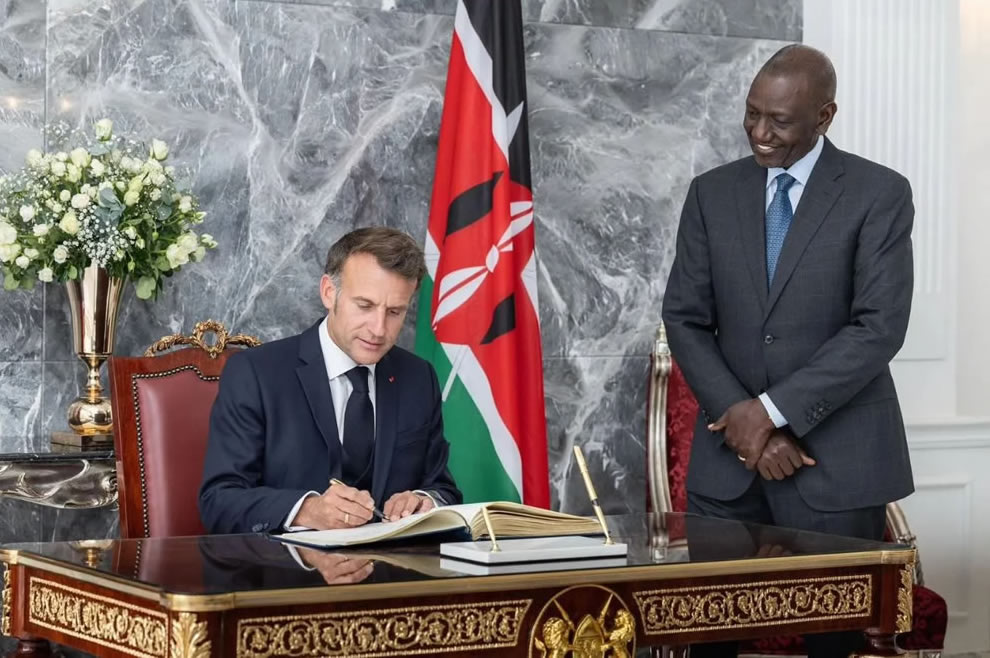
The African Union Commission, African Development Bank, and IGAD Secretariat should establish a Regional Sovereign Finance Coordination Facility in Nairobi to harmonise sovereign risk assessment frameworks, infrastructure financing pipelines, and debt sustainability analytics across Greater Eastern Africa. The mechanism should integrate IMF-aligned risk modelling systems, regional credit enhancement instruments, and coordinated capital prioritisation frameworks. Implementation should proceed through binding intergovernmental protocols under AfCFTA financial governance structures, with structured quarterly compliance audits across member states. This institutional arrangement would reduce fragmented sovereign borrowing conditions, strengthen collective bargaining capacity in global capital markets, and enhance infrastructure financing efficiency while reinforcing accountability mechanisms across participating economies within an increasingly competitive geoeconomic environment shaped by volatile capital cycles and asymmetric fiscal exposure across frontier economies.
4.2 Operationalise an Integrated Maritime and Logistics Corridor Authority for the Northern Corridor and LAPSSET
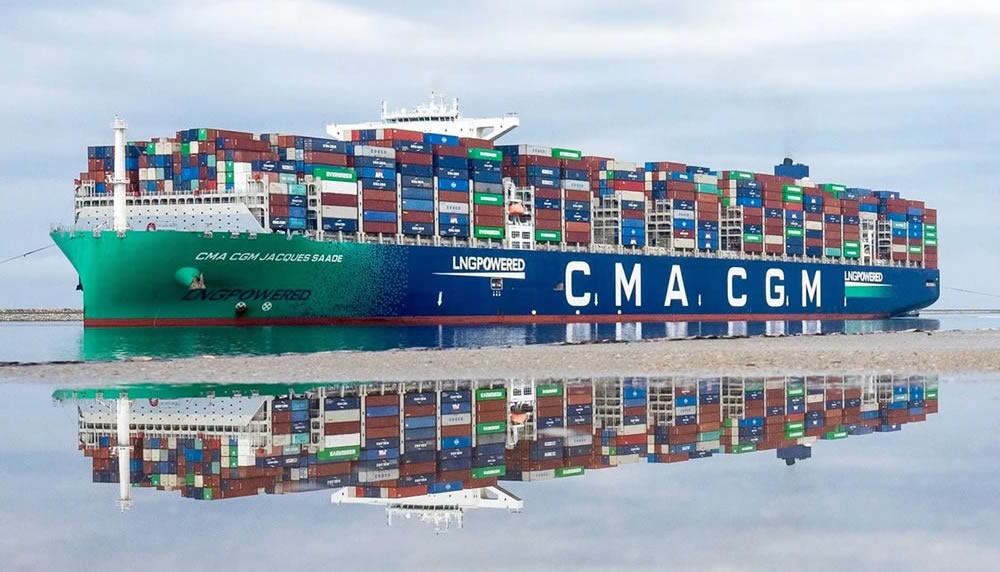
The East African Community, Kenya Ports Authority, and regional transport ministries should establish an Integrated Maritime and Logistics Corridor Authority governing the Northern Corridor and LAPSSET systems. The authority should deploy unified digital customs platforms, interoperable port infrastructure systems, and real-time cargo monitoring architectures integrated with regional trade databases. Implementation should be anchored in an enforceable treaty framework under EAC ministerial oversight with structured compliance verification mechanisms. This governance structure would reduce logistics fragmentation, enhance corridor efficiency, and consolidate Kenya’s gateway function while ensuring equitable transit access for landlocked economies dependent on maritime infrastructure within an increasingly integrated regional trade environment shaped by external supply-chain realignments and global maritime route instability.
4.3 Deploy a Regional Anticipatory Security Coordination Framework under IGAD–AU Joint Command Architecture
The Intergovernmental Authority on Development, African Union Peace and Security Council, and national defence ministries should establish a Regional Anticipatory Security Coordination Framework headquartered in Nairobi. The framework should integrate early warning intelligence systems, conflict mapping platforms, and maritime surveillance datasets into a unified operational architecture. Implementation should proceed through a joint civil-military coordination unit with predefined escalation protocols activated by structured risk thresholds. This mechanism would strengthen anticipatory governance capacity, reduce response latency in cross-border crises, and align security coordination frameworks with expanding economic infrastructure corridors, addressing systemic lag between accelerating capital integration and fragmented regional stability management structures across Greater Eastern Africa.
4.4 Implement a Harmonised Regional Mobility Governance System Across Labour, Refugee, and Skilled Migration Regimes
The African Union Commission, International Organisation for Migration, United Nations High Commission for Refugees, and East African Community Secretariat should establish a Harmonised Regional Mobility Governance System integrating labour mobility frameworks, displacement management systems, and skilled migration governance structures. The system should deploy a digital mobility registry, interoperable visa classification mechanisms, and mutual recognition protocols for labour certification standards. Implementation should be enforced through an AfCFTA-aligned mobility compact with compliance monitoring embedded within national immigration authorities. This framework would balance mobility facilitation with security governance requirements, reduce irregular migration pressures, and enhance labour market integration across Greater Eastern Africa while reinforcing institutional coherence within an increasingly complex cross-border mobility environment shaped by demographic pressure, conflict exposure, and uneven development trajectories.
5.0 References
African Development Bank. (2026). African economic outlook 2026. https://www.afdb.org
African Union. (2026). Free movement protocol implementation framework. https://au.int
ACLED. (2026). Conflict Trends Report 2026. https://acleddata.com
Institute for Security Studies. (2026). Eastern Africa security governance assessment. https://issafrica.org
International Monetary Fund. (2026). Regional economic outlook: Sub-Saharan Africa. https://www.imf.org
International Organisation for Migration. (2026). World Migration Report 2026. https://www.iom.int
UNHCR. (2026). Global displacement trends report 2026. https://www.unhcr.org
United Nations Conference on Trade and Development. (2026). Review of maritime transport 2026. https://unctad.org
World Bank. (2026). Logistics Performance Index 2026. https://www.worldbank.org