

1.0 Introduction
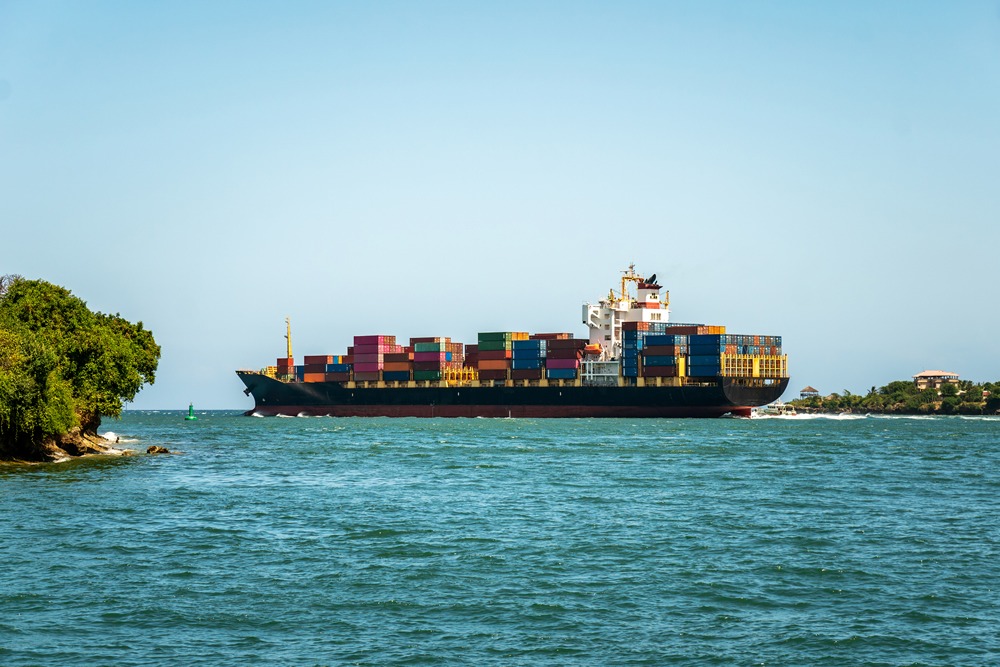
Ports in Greater Eastern Africa have evolved from commercial nodes into critical instruments embedded within a complex geopolitical environment linking the Red Sea and the Western Indian Ocean. Facilities such as Berbera, Djibouti, Mombasa, and Mogadishu now intersect trade flows, maritime logistics, and strategic influence, reflecting structural shifts in regional maritime governance (World Bank, 2025). Foreign powers, including Gulf states, China, and Turkey, have extended their presence through long-term port concessions, corridor financing, and maritime-security partnerships. The United Arab Emirates emphasizes logistics-centered investment connecting the Horn of Africa to Gulf trade networks, while China integrates port infrastructure with hinterland transport and maintains a permanent military facility in Djibouti, anchoring strategic access at a sensitive chokepoint (CRS, 2025). Turkey’s approach in Somalia combines port management with security cooperation, creating hybrid commercial-security arrangements that blur conventional distinctions between economic and defence functions (Reuters, 2024). While these engagements generate infrastructure upgrades, fiscal revenues, and operational connectivity for host states, they also produce structural governance challenges. Extended concessions, limited transparency, and the convergence of commercial and military interests risk constraining national control over strategic maritime assets. As foreign investment becomes increasingly entangled with regional competition, Greater Eastern African states confront the central analytical tension of leveraging external capital while retaining long-term operational and policy autonomy. This commentary examines the structural implications of foreign involvement in ports in the Greater Eastern region, highlighting effects on governance, security, and maritime order,proffering timely policy recommendations.
2.0 Key Issues
2.1 Ports Function as Strategic Leverage Beyond Commercial Use
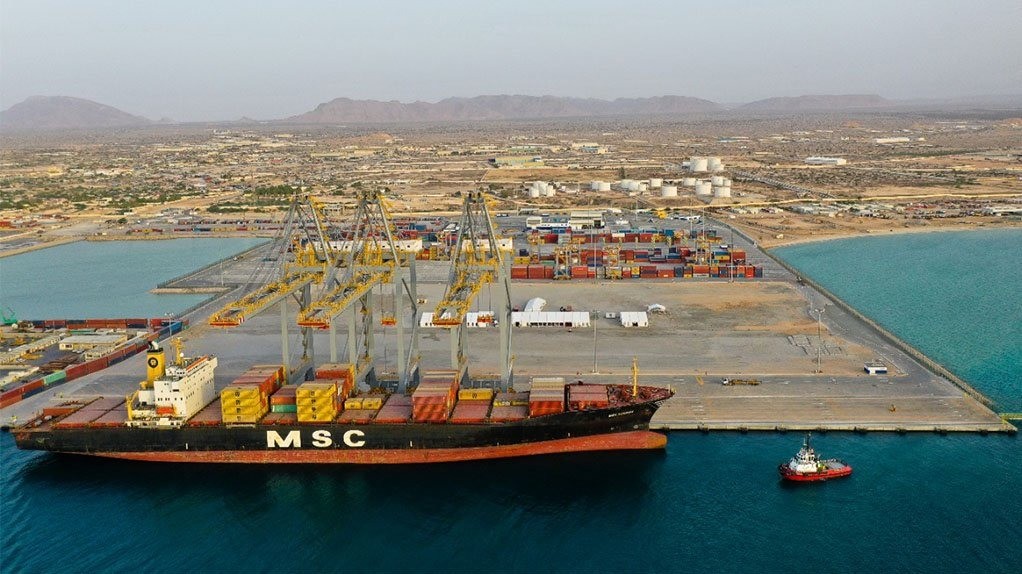
Ports along Greater Eastern Africa’s coastline now operate as strategic leverage points rather than purely economic infrastructure. Facilities such as Djibouti, Berbera, and Mogadishu intersect global shipping lanes, naval logistics, and energy transit, making control over port operations consequential for regional and external security dynamics (UNCTAD, 2022; IISS, 2024). The integration of commercial terminals with foreign military presence—most notably China’s base in Djibouti and Turkey’s hybrid security-port arrangements in Somalia—illustrates how port ecosystems embed strategic access within broader maritime architectures (CRS, 2025; Reuters, 2024). These arrangements concentrate influence over maritime traffic, surveillance, and resupply operations, amplifying operational asymmetries across Greater Eastern Africa. Limited institutional coordination and oversight capacity in host states leaves ports exposed to external strategic pressures. The interaction between foreign presence and domestic governance creates structural dependency, reshaping conflict, investment, and logistical patterns along the Red Sea–Western Indian Ocean corridor.
2.2 Long-Term Concessions Reshape Operational Sovereignty
Extended foreign port concessions, frequently spanning 25–35 years, embed structural dependencies in host states’ operational control (OECD, 2021; UNCTAD, 2022). Majority foreign control over management decisions, tariffs, and throughput alignment reduces flexibility to respond to evolving national priorities. Fiscal stress or political fragility often accelerates acceptance of terms favouring rapid capital inflows over governance safeguards (AfDB, 2023). Over time, limited transparency and constrained renegotiation mechanisms narrow regulatory oversight and reduce leverage over critical maritime assets. Structural asymmetries manifest in policy rigidity, where states retain nominal sovereignty but lack effective operational autonomy. Contractual design, aligned with external financing cycles, locks host states into operational models favouring foreign actors, constraining long-term maritime governance. These dynamics escalate strategic exposure by limiting adjustment capacity to geopolitical shifts, infrastructural evolution, and emerging security challenges, producing a systemic governance tension at the intersection of investment and national control.
2.3 Corridor Integration Generates Structural Trade Dependencies
Port economic and strategic value derives from hinterland connectivity. When foreign actors finance both terminals and inland transport corridors, host states face structural trade dependencies that extend beyond contract periods (World Bank, 2019; Summers, 2021). Bundled port-corridor financing, aligned technical standards, and debt obligations create path dependencies that constrain diversification of trade partners and routes. This embedded infrastructure alignment exposes states to external shocks if geopolitical conditions or financing terms shift, limiting policy maneuverability. Corridor integration shapes national trade geographies, influencing domestic logistics, fiscal flows, and regional cooperation. The convergence of external capital, regulatory frameworks, and operational standards produces asymmetric bargaining positions, reinforcing dependency cycles. Limited domestic capacity to modify or repurpose corridors amplifies strategic vulnerability. Structural dependency thus emerges not from a single agreement but from the cumulative entanglement of foreign-financed ports, transport systems, and operational protocols, affecting sovereignty, risk sequencing, and institutional resilience across Greater Eastern Africa.
2.4 Militarization of Ports Elevates Regional Security Complexity
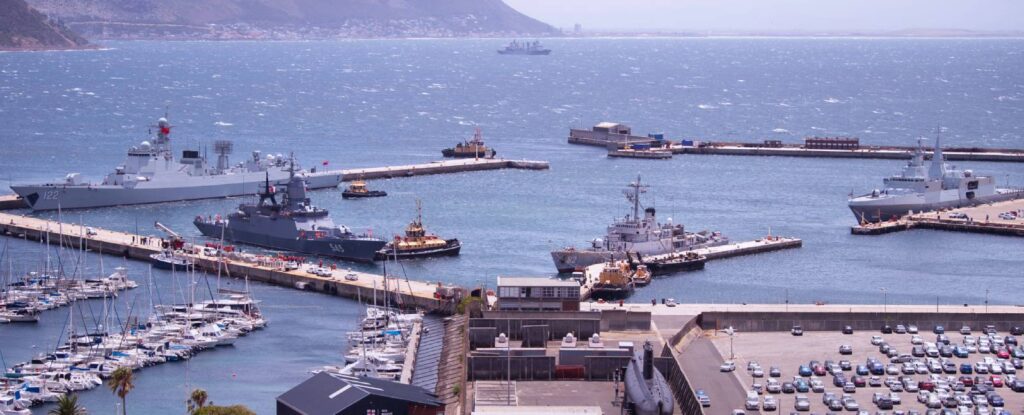
Foreign military presence in port-adjacent infrastructure adds a layer of strategic complexity. Permanent and rotational deployments, such as China in Djibouti or Turkey-supported security frameworks in Somalia, enhance local security but also entangle host ports in broader geopolitical rivalries (UN Security Council, 2023; CRS, 2025). Dual-use facilities amplify exposure to escalation during regional or global crises, producing operational and political interdependencies. Host states encounter governance challenges in regulating military access alongside commercial activity, increasing coordination demands across security, customs, and maritime management authorities. The militarisation of ports reshapes maritime order by creating overlapping domains of influence, complicating regional collaboration, and potentially limiting neutral operational autonomy. These dynamics generate structural pressure on Eastern African governments to balance foreign engagement with domestic oversight, without formal mechanisms to disentangle strategic exposure from essential port functions. Maritime security becomes inseparable from commercial operations, producing persistent governance and operational tensions.
3.0 Conclusion
Greater Eastern Africa’s ports are no longer solely commercial gateways; they function as strategic assets shaped by foreign engagement. Gulf states, China, and Turkey have embedded port infrastructure within broader geopolitical, economic, and security frameworks, creating long-term dependencies that constrain operational autonomy. Extended concession periods, corridor-linked financing, and overlapping military access generate structural asymmetries that challenge governance capacity and bargaining power. These dynamics highlight the tension between development gains and sovereign control. Transparent frameworks, institutional separation of commercial and security functions, and modular engagement with multiple partners are essential. Preserving strategic agency over ports will enable states to harness foreign investment while safeguarding regional stability and maritime sovereignty.
4.0 Policy Recommendations
4.1 Safeguard Ports as Strategic Assets Beyond Commercial Function
Greater Eastern African governments should implement legal and operational frameworks that distinguish commercial port management from sovereign functions, including customs, maritime security, and regulatory oversight. Ministries of Transport and Maritime Affairs, in coordination with national port authorities and the African Union’s Integrated Maritime Strategy (AIMS 2050) secretariat, should establish step-in rights, periodic review clauses, and renegotiation windows embedded within long-term concession contracts. Contractual transparency, including disclosure of ownership structures and core financial terms, must be mandated through national legislation and enforced via independent oversight boards. These measures will ensure that ports remain operationally sovereign while benefiting from foreign investment, enabling host states to balance strategic control, economic performance, and risk management across maritime infrastructure.
4.2 Diversify Partners to Reduce Structural Dependency
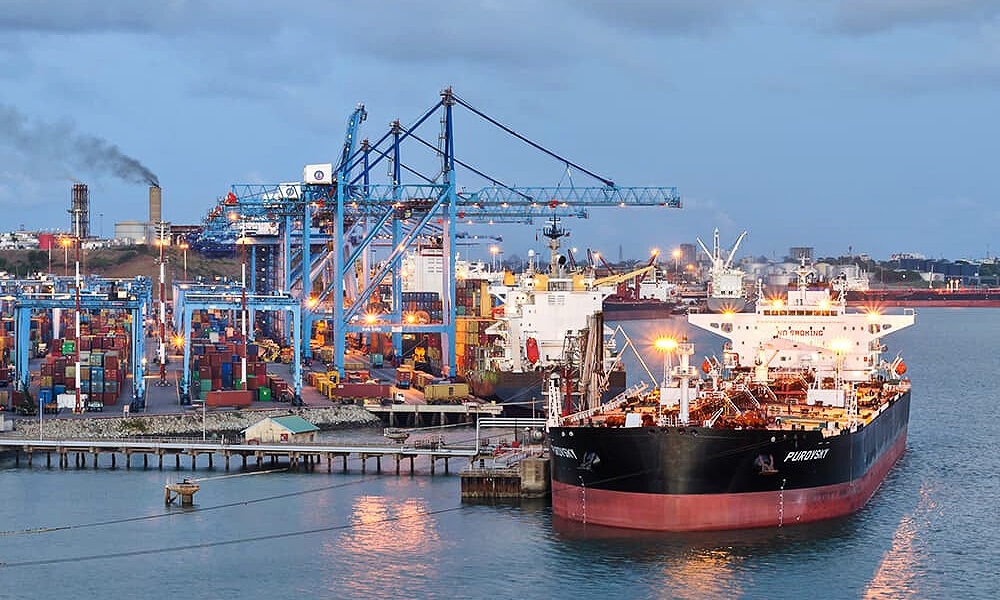
Governments in the region must prevent single-actor dominance across ports, transport corridors, and digital infrastructure by diversifying foreign engagement. Ministries of Trade, Infrastructure, and Finance, together with EAC regional coordination bodies, should implement modular contracting frameworks separating terminal operations, equipment procurement, and transport corridor financing. Each contract segment should include independent performance monitoring, regular audits, and coordination mechanisms with national maritime authorities. Diversification preserves bargaining power, limits geopolitical exposure, and reduces path dependency from bundled investments. By strategically allocating responsibilities among multiple foreign partners while retaining national oversight, states can maintain access to capital, technology, and operational expertise without compromising strategic autonomy. This approach strengthens resilience and mitigates asymmetric influence over long-term maritime infrastructure.
4.3 Institutionalise Transparent Security Arrangements
Security cooperation linked to port infrastructure must be governed through distinct, legally defined defence arrangements. Ministries of Defence, Maritime Security Agencies, and the AU’s Peace and Security Council Secretariat should formalise protocols separating military access from commercial port contracts. Operational mandates, reporting lines, and security procedures must be codified, with compliance monitored through independent audit and parliamentary oversight mechanisms. Security agreements should include rotational or temporary access terms, clearly delineating responsibilities, liability, and dispute resolution. This separation prevents gradual militarisation of commercial infrastructure, reduces escalation risk, and ensures that foreign military engagement strengthens rather than constrains host-state sovereignty. Integrating these protocols with national port authorities and regional maritime security coordination platforms ensures alignment across operational and governance layers.
4.4 Reinvest Port Revenue into Domestic Governance and Capacity
Port-generated revenue must be systematically reinvested into domestic maritime governance, capacity-building, and regulatory infrastructure. Ministries of Finance and Transport, together with national port authorities and oversight bodies, should allocate funds to digital port systems, operational efficiency programs, and staff training. Revenue streams should also support institutional mechanisms that monitor concession compliance, enforce environmental standards, and strengthen port safety protocols. Transparent allocation, audited by independent authorities and reported to the national legislature, ensures fiscal accountability. This reinvestment enhances strategic autonomy, reduces dependency on foreign technical expertise, and strengthens domestic maritime decision-making. By linking revenue management to governance capacity, Greater Eastern African states can ensure that foreign investment contributes to sustainable development while preserving operational control over maritime assets.
5.0 References
African Development Bank Group. (2023). African economic outlook 2023: Mobilising private sector financing for climate and growth. https://www.afdb.org
African Union Commission. (2020). Africa’s integrated maritime strategy (2050 AIM Strategy). https://au.int
Armed Conflict Location & Event Data Project. (2024). ACLED data on conflict dynamics in Eastern Africa. https://acleddata.com
Congressional Research Service. (2025). China’s engagement in Djibouti and the Horn of Africa (CRS Report). U.S. Congress. https://crsreports.congress.gov
Food and Agriculture Organisation of the United Nations. (2024). State of food security and nutrition in Eastern Africa. https://www.fao.org
International Crisis Group. (2022). The Horn of Africa’s shifting security landscape (Africa Report No. XXX). https://www.crisisgroup.org
International Institute for Strategic Studies. (2024). The military balance 2024. Routledge. https://www.iiss.org
Organisation for Economic Co-operation and Development. (2021). Infrastructure governance: Policy frameworks for private participation. OECD Publishing. https://doi.org/10.1787/5d80a65c-en
Reuters. (2024, February 22). Turkey expands maritime security cooperation with Somalia. https://www.reuters.com
Summers, T. (2021). China’s infrastructure corridors and geopolitical influence. Geopolitics, 26(3), 742–766. https://doi.org/10.1080/14650045.2020.1846955
United Nations Conference on Trade and Development. (2022). Review of maritime transport 2022. https://unctad.org
United Nations Department of Economic and Social Affairs. (2024). World urbanisation prospects 2024. https://www.un.org/desa
United Nations Security Council. (2023). Report on maritime security in the Red Sea and Western Indian Ocean (S/2023/XXX). https://www.un.org/securitycouncil
World Bank. (2019). Belt and Road economics: Opportunities and risks of transport corridors. World Bank Group. https://doi.org/10.1596/978-1-4648-1391-0
World Bank. (2023). Global economic prospects: Sub-Saharan Africa. https://www.worldbank.org
World Bank. (2025). Port development and logistics corridors in Eastern Africa. https://www.worldbank.org