

1.0 Introduction
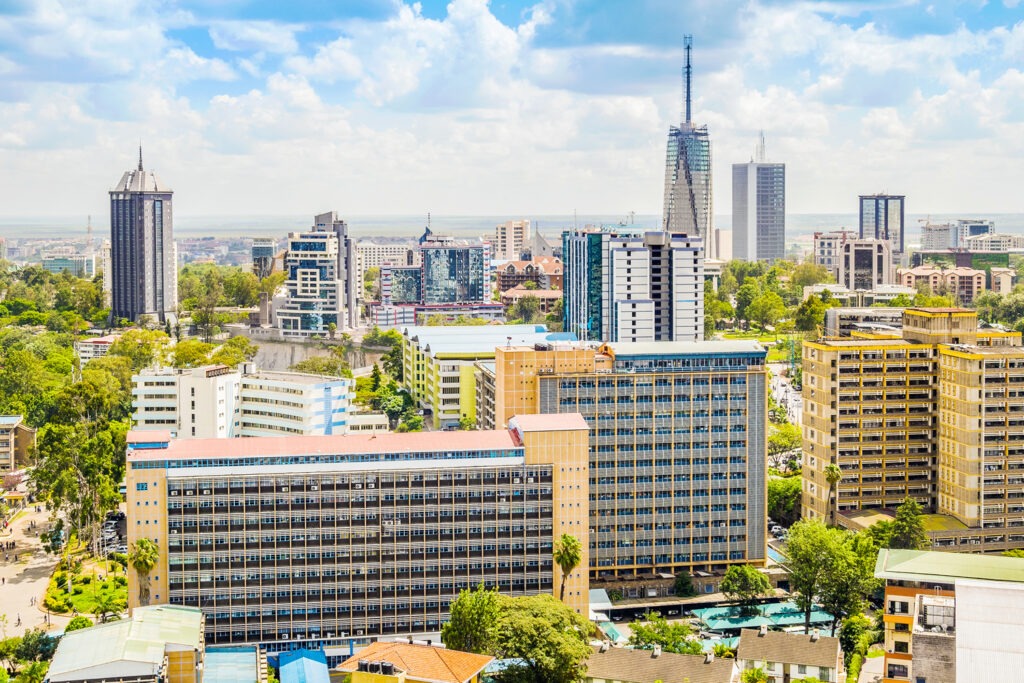
The Greater Eastern Africa is experiencing one of the most rapid urban and demographic transitions in the world, with urban populations expanding sharply and a disproportionately young population reshaping economic and social dynamics (Sivi-Njonjo, 2024). Across the region—including Kenya, Uganda, Tanzania, Somalia, South Sudan, Rwanda, Burundi, the Comoros, Madagascar, the Democratic Republic of the Congo (DRC), Sudan, Seychelles, Mauritius, Ethiopia, Eritrea, and Djibouti, cities are growing faster than governance systems can adapt. Youth comprise a significant share of this growth. In sub-Saharan Africa, urban populations are projected to continue rising steeply, with regional forecasts indicating that the urban share of the population could approach two-thirds by 2040, driven by both natural growth and rural–urban migration (UN DESA, 2025). The combination of rapid urbanisation and a large cohort of young people, often referred to as a “youth bulge”, presents both opportunities and risks. The youth bulge broadly describes a population age structure in which a large share of people are young adults relative to older age groups, offering potential for a demographic dividend if economic and social institutions can absorb and empower them (World Bank, 2026). However, without adequate employment, infrastructure, and inclusive governance, these trends can intensify urban poverty, exclusion, and political tension, contributing to social instability and cycles of unrest (Sawyer et al., 2022). The purpose of this commentary is to synthesise evidence on how urbanisation and youth demographics intersect in Greater Eastern Africa, analyse mechanisms linking them to instability and offer policy recommendations to harness the demographic potential while mitigating risks.
2.0 Key Issues
2.1 Demographic and Urbanisation Pressures
Greater Eastern Africa is experiencing rapid urbanisation, with cities expanding faster than governments can provide infrastructure and essential services (Kararach, 2014; Githieya, 2021; Sivi-Njonjo, 2024). Urban centres such as Nairobi, Dar es Salaam, and Kinshasa have witnessed the proliferation of informal settlements characterised by overcrowding, inadequate housing, poor sanitation, and limited access to health and education services (Sivi-Njonjo, 2024; Menashe-Oren, 2020). Conflict and displacement exacerbate these pressures: ongoing violence in the Democratic Republic of Congo, Sudan, and South Sudan, alongside insurgency and militia activity in Somalia and Ethiopia, has disrupted urban livelihoods and created insecurity (O’Driscoll, 2020; Kararach, 2014). Even relatively stable countries, such as Kenya, Uganda, and Tanzania, have witnessed urban unrest, including anti-government protests and post-election violence (O’Driscoll, 2020; Sawyer et al., 2022). The combination of rapid urban growth, concentrated youth populations, and inadequate service provision creates structural vulnerabilities that increase social instability. If unaddressed, these dynamics can amplify grievances, heighten perceptions of exclusion, and trigger unrest. (Hackenesch & Nkansah, 2025; Nasimiyu, 2023).
2.2 Economic and Labour Market Challenges
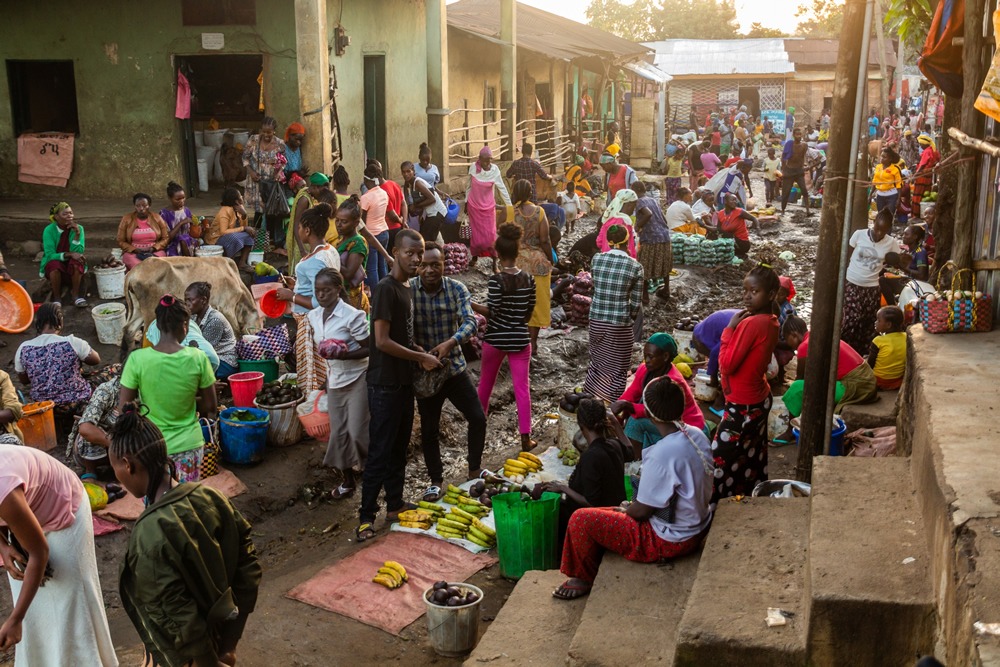
Rapid urbanisation in the Greater Eastern Africa has not been matched by sufficient formal employment opportunities, particularly for youth aged 18–35, who make up a substantial portion of urban labour forces (Menashe-Oren, 2020; Kamau & Wamuthenya, 2021). Weak absorption into the formal labor sector drives underemployment, informal work, and participation in illicit economies (Nasimiyu, 2023; Sivi-Njonjo, 2024). Informal settlements provide limited opportunities for advancement, disproportionately affecting women and rural-to-urban migrants (Kamau & Wamuthenya, 2021; Nasimiyu, 2023). Economic marginalisation undermines social cohesion and can fuel political mobilisation or involvement in criminal networks. Studies show that urban youth experiencing unemployment, underemployment, and limited prospects are more likely to participate in protests, riots, or alternative political movements (Sawyer et al., 2022; Hackenesch & Nkansah, 2025). The concentration of economically marginalised youth in informal settlements amplifies these risks, reinforcing cycles of poverty, inequality, and potential unrest (Sivi-Njonjo, 2024; Menashe-Oren, 2020). Mitigating these challenges requires investment in skills development, vocational and technical training aligned with market demands, entrepreneurship, and gender-sensitive economic policies (Kamau & Wamuthenya, 2021; Nasimiyu, 2023).
2.3 Governance, Political Exclusion, and Social Cohesion
Weak governance, limited political inclusion, and inequitable resource allocation exacerbate vulnerabilities among urban youth in Greater Eastern Africa. Many young people in high-density settlements lack avenues for meaningful participation in decision-making, which diminishes trust in institutions and public programs (Onyeiwu, 2024; Hackenesch & Nkansah, 2025). Informal settlements are often underserved, reinforcing perceptions of marginalisation and social inequity (Sivi-Njonjo, 2024). Persistent economic grievances interact with institutional weaknesses to heighten the potential for unrest. Youth facing unemployment, underemployment, and limited political engagement are more likely to mobilise in protests, riots, or other forms of collective action (Sawyer et al., 2022; Erastus, Orwenjo, & Gathigia, 2022). High-density settlements can also incubate criminal networks, further weakening governance and undermining urban security (Hackenesch & Nkansah, 2025). Strengthening governance and social cohesion requires the creation of inclusive decision-making platforms, transparent service delivery, and accountability mechanisms. Institutional reforms that promote equitable resource allocation and meaningful youth participation can build trust, reduce grievances, and foster social cohesion in rapidly urbanising cities (Onyeiwu, 2024; Erastus, Orwenjo, & Gathigia, 2022).
2.4 Urban Security, Conflict Dynamics, and Mitigation Opportunities
Urbanisation and youthful demographics can heighten instability but also create opportunities for economic growth, innovation, and social resilience. Urban agglomeration fosters knowledge spillovers, entrepreneurship, and technology adoption, particularly among youth adept at leveraging digital platforms (Sivi-Njonjo, 2024; Nasimiyu, 2023). Social media and mobile technologies facilitate civic engagement but can accelerate mobilisation and complicate security responses (Erastus, Orwenjo, & Gathigia, 2022). High-density settlements often face security challenges, including crime, gang activity, and politically motivated unrest. Informal settlements may lack formal policing and legal oversight, weakening perceptions of safety and state legitimacy (Hackenesch & Nkansah, 2025; O’Driscoll, 2020). Proactive measures such as community policing, conflict-sensitive urban planning, and civic engagement initiatives can enhance resilience and reduce violence (Mutahi, Höglund, & Elfversson, 2024). Investing in youth skills, vocational training, digital literacy, and entrepreneurship can transform potential demographic pressures into opportunities. Coupled with inclusive governance and participatory urban planning, these strategies foster social cohesion, mitigate conflict risk, and enable urban youth to contribute to economic growth rather than unrest (Nasimiyu, 2023; Sivi-Njonjo, 2024).
3.0 Conclusion
Rapid urbanisation and the youth bulge in the Greater Eastern Africa present intertwined opportunities and challenges for social stability and development. The region’s future hinges on governments’ ability to address demographic pressures, labour market constraints, governance deficits, and urban security risks through integrated, inclusive, and proactive policies. By combining strategic urban planning, targeted employment and skills interventions, participatory governance, and community-focused security approaches, policymakers can mitigate unrest, reduce marginalisation, and strengthen social cohesion. Effectively harnessing the energy, innovation, and entrepreneurial potential of young urban populations can transform demographic pressures into a demographic dividend, driving sustainable economic growth, civic engagement, and long-term regional stability.
4.0 Policy Recommendations
4.1 Managing Urban Growth and Youth Engagement
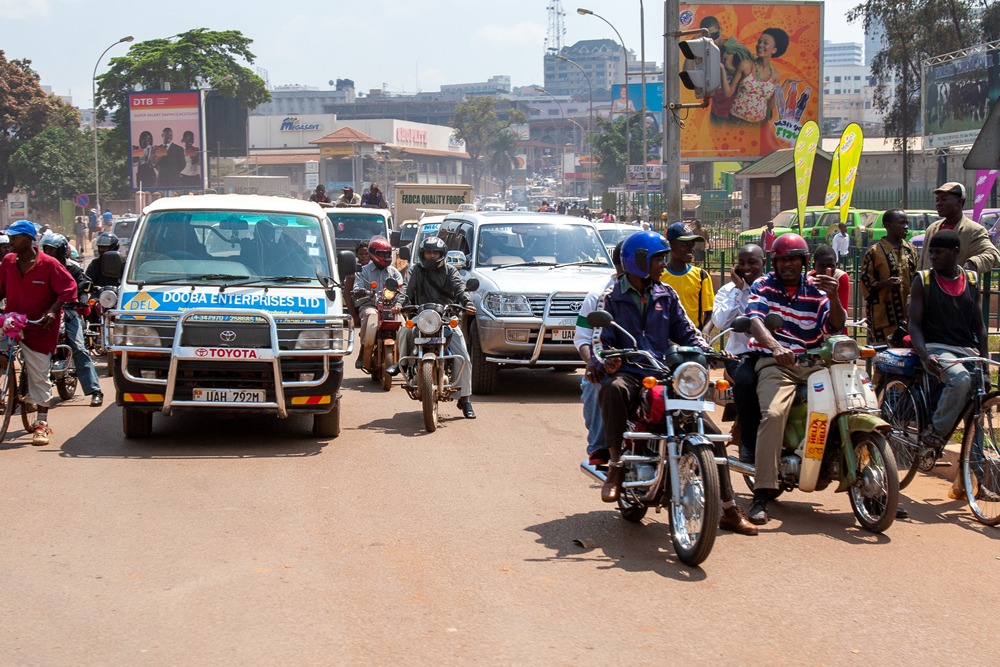
Urban planning must anticipate demographic growth to prevent unplanned expansion and overcrowding. Policies should prioritise upgrading informal settlements, improving access to affordable housing, securing land tenure, and strengthening municipal service delivery. Engaging youth as active partners through participatory development initiatives reduces spatial inequalities and fosters social cohesion. Complementary investment in infrastructure, including sanitation, transport, and public spaces, enhances livability and safety. Strategic alignment with demographic projections allows municipalities to allocate resources effectively, support inclusive governance, and channel youth energy into productive civic and economic roles. By integrating urban planning with youth engagement and social infrastructure, cities can transform demographic pressures into opportunities, preventing political exclusion and building resilient, stable urban communities.
4.2 Strengthening Youth Employment and Economic Opportunities
Youth employment can be strengthened by aligning technical and vocational education with labour market demands, increasing formal sector absorption. Expanding access to microfinance, business support services, and market linkages, particularly for women and rural–urban migrants, stimulates entrepreneurship and reduces economic marginalisation. Short-term interventions such as cash transfers, skills training, job brokerage, and psychosocial support alleviate immediate pressures while building longer-term employability. Coordinated approaches connecting education, finance, and employment policy allow youth to transition into productive economic roles, reducing the risk of unrest and supporting sustainable urban development. By combining immediate support with long-term capacity building, policymakers can turn urban labour market challenges into opportunities for inclusive growth and stability.
4.3 Promoting Youth Participation and Inclusive Governance
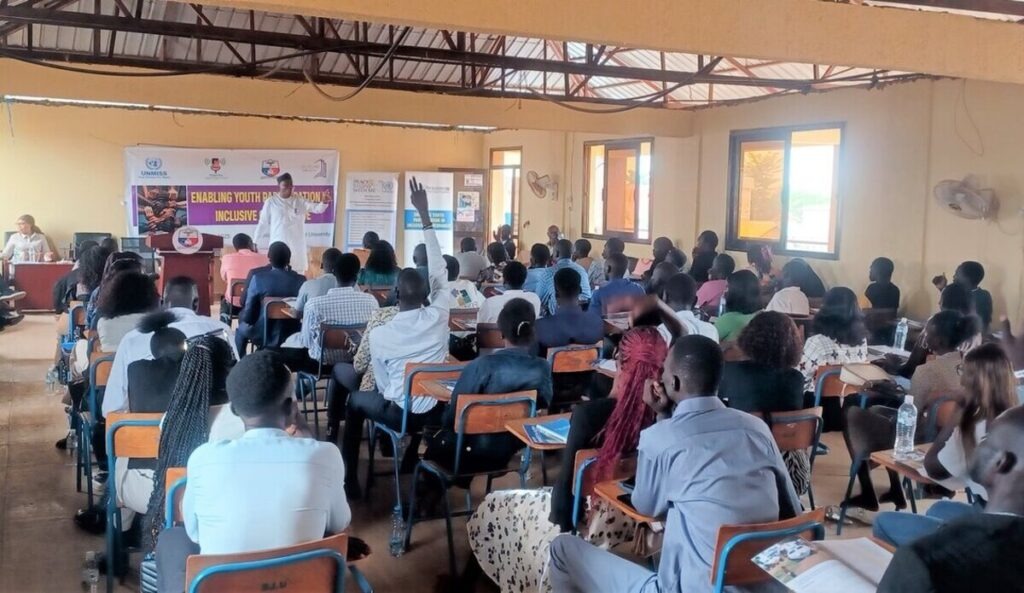
Strengthening governance requires institutional mechanisms that amplify youth voices, including consultative councils, participatory budgeting, and digital engagement platforms. Transparent service delivery, grievance redress systems, and anti-corruption measures rebuild trust and reduce alienation. Security responses should prioritise dialogue, community engagement, and de-escalation, avoiding punitive measures that may radicalise youth. Ensuring youth participation in decision-making and equitable resource allocation promotes social cohesion, institutional legitimacy, and civic responsibility. By integrating participatory governance with accountability and responsiveness, policymakers can mitigate social unrest, foster inclusive urban communities, and create resilient mechanisms for addressing grievances while empowering youth as agents of positive change.
4.4 Enhancing Urban Security and Youth Engagement
Urban security strategies should prioritise prevention, accountability, and constructive engagement rather than coercion. Community policing, civilian oversight, and police reforms build trust between authorities and urban youth. Investments in digital infrastructure, innovation hubs, and entrepreneurship channels youth energy into productive economic and civic activities, enhancing stability and social cohesion. Conflict-sensitive planning and participatory approaches allow communities to identify risks and co-create solutions. By transforming urban spaces into centres of opportunity and engagement, these measures reduce crime and unrest while leveraging the youth bulge as a stabilising force. Integrating security, civic participation, and economic empowerment ensures sustainable urban development and inclusive governance, trning potential demographic pressures into positive social outcomes.
5.0 References
Erastus, F. K., Orwenjo, D. O., & Gathigia, M. N. (2022). Escaping the margins of society: New media and youth language practices across the rural-urban divide in Kenya. Multilingual Margins: A Journal of Multilingualism from the Periphery, 9(1). https://doi.org/10.2139/ssrn.xxxxxxx
Hackenesch, C., & Nkansah, G. B. (2025). Megatrends and African youth (Working Paper). Megatrends Afrika. https://doi.org/10.18449/2025MTA-WP20
Kararach, G. (2014). Migration, the youth bulge and population dynamics. In Development Policy in Africa: Mastering the Future? (pp. 65–97). London: Palgrave Macmillan. https://doi.org/10.1057/9781137360595_4
Kamau, P., & Wamuthenya, W. R. (2021). Accounting for the gender gap in urban youth unemployment in Africa: Evidence from Kenya. African Economic Research Consortium. http://18.184.231.194/handle/123456789/1974
Githieya, K. (2021). Youth identities in an urbanising and ethnically fragmented society: A case study of Kenya (Doctoral dissertation, University of Nairobi). http://erepository.uonbi.ac.ke/handle/11295/155843
Menashe-Oren, A. (2020). Migrant-based youth bulges and social conflict in urban sub-Saharan Africa. Demographic Research, 42, 57–98. https://doi.org/10.4054/DemRes.2020.42.3
Mutahi, P., Höglund, K., & Elfversson, E. (2024). Policing and citizen trust in Kenya: How community policing shapes local trust-building and collaboration. African Affairs, 123(492), 303–328. https://doi.org/10.1093/afraf/adae018
Nasimiyu, S. (2023). The youth and socio-economic development. In The Palgrave Handbook of Contemporary Kenya (p. 173). Palgrave Macmillan. https://doi.org/10.1007/978-3-031-xxxxxx
O’Driscoll, D. (2020). The relationship between population growth, age structure, conflict, and governance in Sub-Saharan Africa. Institute of Development Studies (IDS), K4D Emerging Issue Report Series, Report 38. https://opendocs.ids.ac.uk/opendocs/handle/20.500.12413/15755
Onyeiwu, S. (2024). Population, youth bulge and economic development. In Emerging Issues in Contemporary African Economies (pp. 123–141). Palgrave Macmillan, Cham. https://doi.org/10.1007/978-3-031-74241-5_4
Sawyer, P. S., Romanov, D. M., Slav, M., & Korotayev, A. V. (2022). Urbanisation, the youth, and protest: A cross-national analysis. Cross-Cultural Research, 56(2–3), 125–149. https://doi.org/10.1177/10693971211059762
Sivi-Njonjo, K. (2024). Changing demographics: Is Kenya’s political stability guaranteed? UCT Press, 80. https://www.uctpress.co.za
United Nations, Department of Economic and Social Affairs, Population Division. (2025). https://population.un.org/wup/