

1.0 Introduction
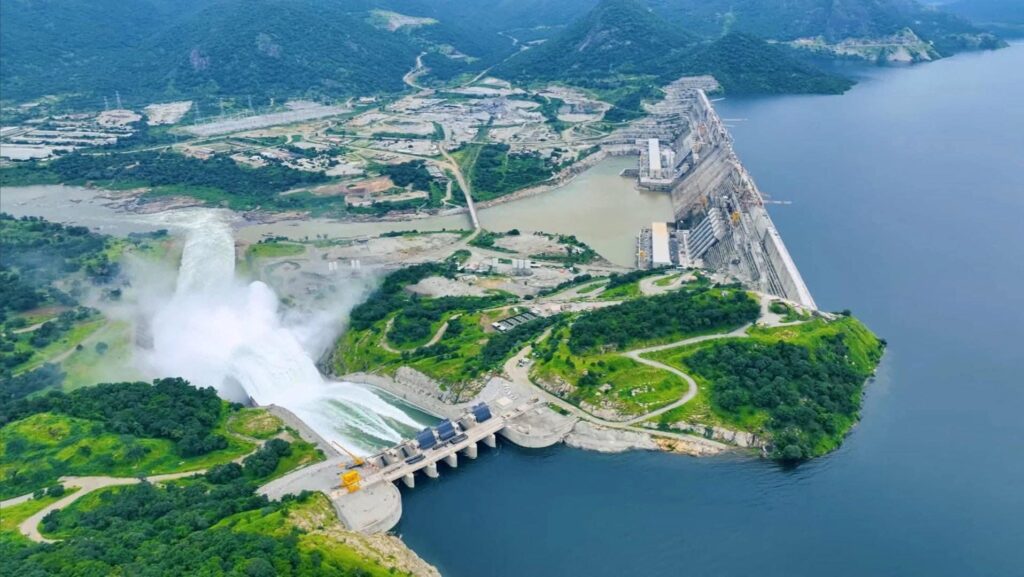
The Nile River, stretching over 6,600 km through eleven countries, is a lifeline for nearly 400 million people, yet it is a source of enduring political conflict (Abdelhadi, 2020; Keskinen & Käkönen, 2024). The core dispute revolves not around the river’s origin, but over the right to its waters, which has historically favoured downstream Egypt through colonial-era agreements (Tekuyea, 2020a; Mbaku, 2020). Treaties signed in 1929 and 1959 granted Egypt and Sudan near-exclusive use of the Nile, excluding upstream states, especially Ethiopia, from negotiations (Caruso, 2022; Tekuyea, 2020b). These agreements underpinned Egypt’s hydro-hegemony, enabling it to assert control over infrastructure and development projects in the basin (Mbaku, 2020; Ray, 2020). Conversely, Ethiopia, the source of the Blue Nile, has pursued sovereign development, exemplified by the Grand Ethiopian Renaissance Dam (GERD), which challenges long-standing power hierarchies (Caruso, 2022; Abdelhadi, 2020). GERD represents not only an energy project but a symbol of national autonomy, funded primarily through domestic mobilisation and bonds, resisting foreign influence (Asseff, 2025). The conflict has drawn in regional and international actors, including Sudan, the United States, and Turkey, reflecting the Nile’s geopolitical significance (Gramer, 2020; Malesi, 2025). Institutional frameworks like the Nile Basin Initiative (NBI) and the Cooperative Framework Agreement (CFA) attempt to coordinate equitable water use but remain contested (Ranjan, 2024; Tekuyea, 2020a). The GERD dispute illustrates complex intersections of history, sovereignty, law, and security in the Nile Basin (Ray, 2020; Keskinen & Käkönen, 2024). The purpose of this commentary is to analyze these issues and provide policy recommendations for equitable Nile governance.
2.0 Key Issues
2.1 Colonial-era Treaty Legacy
Egypt’s water claims are rooted in colonial-era treaties, notably the 1929 Nile Waters Agreement and the 1959 Egypt-Sudan treaty, both negotiated without upstream representation (Tekuyea, 2020b; Mbaku, 2020). The 1929 treaty granted Egypt nearly exclusive rights to Nile waters and veto power over upstream infrastructure projects, effectively sidelining Ethiopia and other riparian states (Mbaku, 2020; Ray, 2020). The 1959 agreement, while bilateral between Egypt and Sudan, reinforced Egypt’s historical rights and ignored upstream developmental needs (Caruso, 2022; Tekuyea, 2020b). These treaties were grounded in imperial interests: Britain sought to secure the Nile for Egypt to protect access to colonial India (Mekonnen, 2020). Modern disputes arise because upstream countries, particularly Ethiopia, reject the legitimacy of agreements they never signed (Mbaku, 2020). This historical exclusion has fueled grievances, shaping contemporary negotiations and nationalistic rhetoric (Caruso, 2022). Treaties intended to ensure regional stability ironically entrenched power asymmetry, creating a legal and political legacy that complicates equitable water-sharing and fuels tension in the Nile Basin (Tekuyea, 2020a).
2.2 Sovereignty and Development Rights
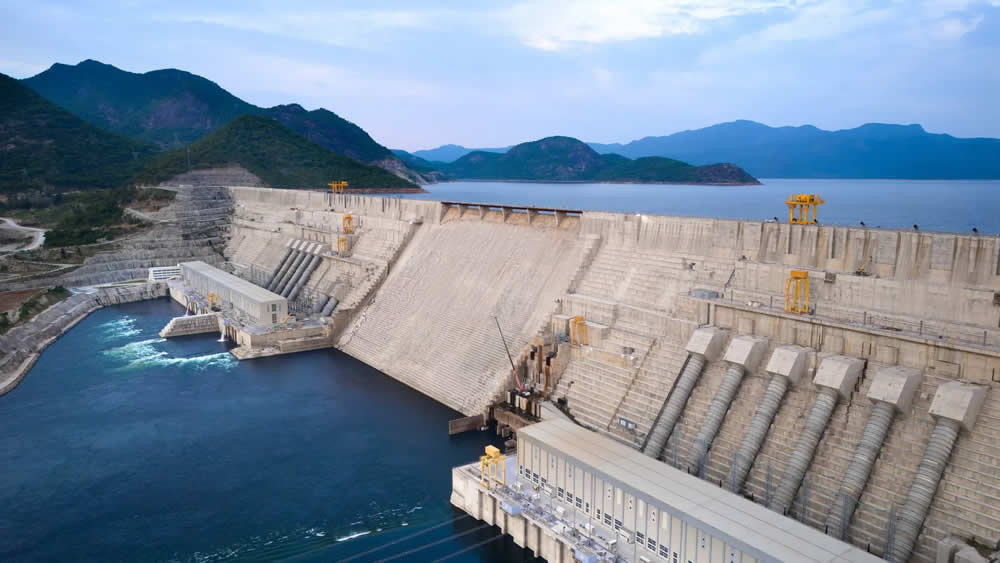
Ethiopia asserts its sovereign right to utilise the Blue Nile’s tributary for national development, particularly energy generation, through the Grand Ethiopian Renaissance Dam (GERD) (Borzutzky & Berger, 2010; Caruso, 2022). The GERD project, funded mainly by domestic mobilisation and public bonds, embodies Ethiopia’s pursuit of energy self-sufficiency and economic modernisation while resisting downstream veto pressures (Asseff, 2025; Mbaku, 2020). Ethiopia’s position reflects a broader principle that upstream states are entitled to harness transboundary resources within their territories, a principle increasingly recognised in international water law (Abdelhadi, 2020; Caruso, 2022). The dam’s construction symbolises national pride and political legitimacy, demonstrating how infrastructure projects can consolidate internal cohesion (Asseff, 2025). However, downstream Egypt perceives GERD as an existential threat, illustrating the tension between sovereign development rights and shared resource dependence (Mbaku, 2020). The conflict underscores the challenge of balancing upstream development with downstream water security and highlights the need for cooperative governance mechanisms across the Nile Basin (Ranjan, 2024).
2.3 Institutional and Legal Disputes
The Nile Basin Initiative (NBI) and the Cooperative Framework Agreement (CFA) represent multilateral attempts to manage the Nile equitably, yet legal and institutional fragmentation persists (Ranjan, 2024; Tekuyea, 2020a). The CFA, ratified by upstream countries, seeks to establish fair water allocation, but Egypt and Sudan have refused to sign, citing threats to historical rights and national security (Mbaku, 2020; Caruso, 2022). The legal ambiguity of colonial treaties, combined with inconsistent ratification of regional agreements, creates overlapping claims and heightens tensions (Caruso, 2022; Ray, 2020). Institutional weaknesses are exacerbated by divergent national interests, limited enforcement mechanisms, and a lack of transparency in project implementation (Borzutzky & Berger, 2010; Ranjan, 2024). These disputes illustrate how the absence of universally accepted legal frameworks can intensify geopolitical frictions (Tekuyea, 2020b). Strengthening institutional capacity, fostering inclusive negotiations, and embedding enforcement mechanisms are essential to mitigate conflict, build trust, and ensure cooperative management of the Nile Basin (Ranjan, 2024).
2.4 Water Security and Risk Management
Downstream states, particularly Egypt, fear that the GERD’s filling and operation may reduce water flow, threatening agricultural productivity, hydropower generation, and portable water supply (Keskinen & Käkönen, 2024; Mbaku, 2020). Seasonal variability, climate change, and prolonged drought exacerbate these concerns, highlighting the Nile’s vulnerability (Mbaku, 2020; Ranjan, 2024). Effective risk management requires coordinated reservoir operations, real-time hydrological monitoring, and transparent data sharing to mitigate potential shortages (Ranjan, 2024; Asseff, 2025). Upstream Ethiopia, while emphasising national development, has sought to reassure downstream states through negotiated protocols on dam filling rates and emergency release strategies (Asseff, 2025; Caruso, 2022). Nevertheless, the absence of binding enforcement mechanisms undermines confidence in risk mitigation (Ranjan, 2024). Water security tensions illustrate the need for integrated basin-wide planning, technical cooperation, and contingency frameworks that balance upstream development with downstream sustainability, reducing the likelihood of conflict while maximising mutual benefits from shared water resources (Keskinen & Käkönen, 2024).
2.5 Geopolitical Tensions and Power Dynamics

The GERD dispute has significant geopolitical implications, influencing regional alliances, foreign intervention, and power dynamics within the Horn of Africa (Ray, 2020; Tekuyea, 2020b). Egypt asserts historical entitlement to Nile waters, mobilising diplomatic and occasionally military pressure, while Ethiopia leverages nationalist narratives and domestic cohesion to assert upstream rights (Asseff, 2025; Mbaku, 2020). Sudan occupies a complex position, oscillating between Egypt and Ethiopia due to internal political instability and hydrological dependence (Malesi, 2025; Ranjan, 2024). International actors, including the United States and Turkey, have mediated or exerted influence, reflecting the Nile’s strategic importance for global energy and trade (Gramer, 2020; Ray, 2020). The contestation highlights how natural resources intersect with sovereignty, nationalism, and external geopolitics (Tekuyea, 2020b; Asseff, 2025). Balancing regional stability requires multilateral negotiations, confidence-building measures, and recognition of the legitimate interests of all riparian states to prevent escalation into open conflict (Ranjan, 2024).
3.0 Conclusion
The GERD controversy illustrates the complex interplay of historical treaties, sovereignty, legal frameworks, water security, and regional power dynamics in the Nile Basin. Ethiopia’s pursuit of the GERD reflects upstream development rights and national pride, challenging Egypt’s historical hydro-hegemony (Caruso, 2022; Mbaku, 2020). Colonial-era agreements continue to influence downstream claims, while institutional mechanisms like the NBI and CFA remain incomplete and contested (Ranjan, 2024). Effective basin governance requires inclusive legal frameworks, transparent risk management, and multilateral cooperation to balance development with sustainability. Without such measures, tensions may escalate, threatening regional stability, economic growth, and equitable water sharing among all riparian states.
4.0 Policy Recommendations
4.1 Reform Colonial-era Treaty Frameworks
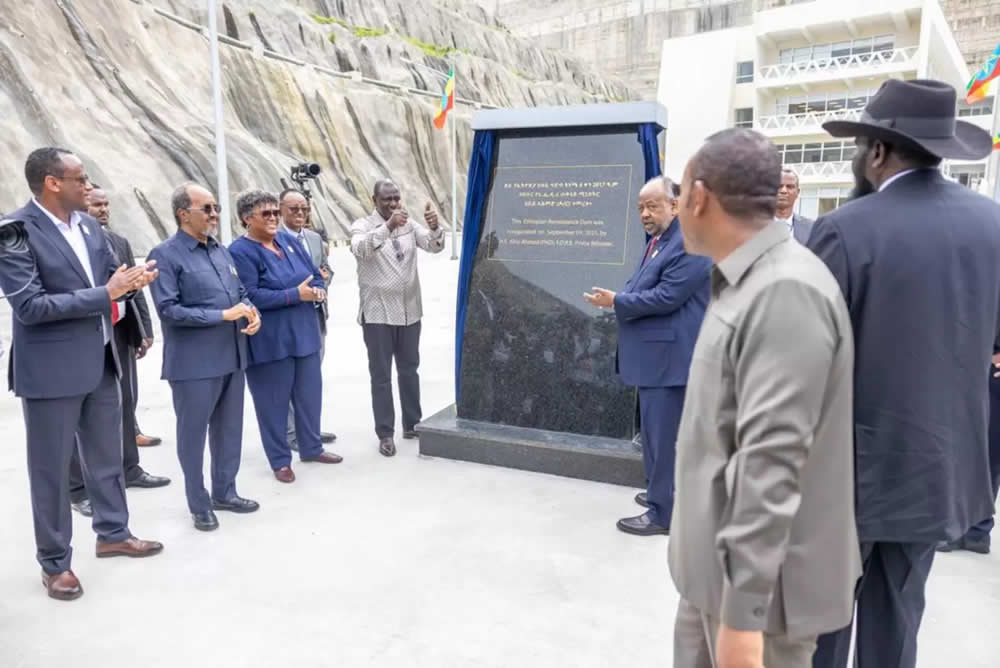
A modern, inclusive legal framework must replace colonial-era treaties that historically excluded upstream states. The African Union should convene all Nile riparians to renegotiate water-sharing agreements, reflecting contemporary hydrology, population needs, and sustainable development principles (Tekuyea, 2020b; Mbaku, 2020). This framework should abolish unilateral veto rights, establish equitable allocation, and recognise upstream development imperatives. Historical grievances should be addressed to foster legitimacy, trust, and regional cooperation. Complementary mechanisms, such as periodic treaty reviews and joint oversight committees, would prevent disputes from recurring. By replacing outdated treaties with inclusive, enforceable agreements, all Nile Basin states can ensure water security, equitable development, and long-term stability across the shared river system.
4.2 Recognise Sovereignty and Development Rights
Policy must explicitly acknowledge upstream states’ sovereign right to utilise Nile waters for national development projects, including hydropower and irrigation (Caruso, 2022; Asseff, 2025). Mechanisms for mitigating downstream impacts should accompany these rights, such as agreed dam-filling schedules, emergency water releases, and transparent hydrological data sharing. Regional protocols should embed both development and risk management obligations in law, balancing upstream autonomy with downstream security. International law recognises equitable utilisation of shared watercourses; formalising this principle in Nile governance reduces unilateral conflicts (Borzutzky & Berger, 2010). Recognition of sovereignty paired with cooperative safeguards encourages responsible resource use, strengthens political legitimacy, and mitigates the zero-sum dynamics that currently exacerbate Nile Basin tensions.
4.3 Strengthen Institutional Mechanisms
The NBI and CFA should be upgraded into a fully empowered Nile Basin Commission with legally binding authority (Ranjan, 2024; Tekuyea, 2020a). This includes enforcement mechanisms for treaty compliance, dispute resolution protocols, and monitoring of water allocation and dam operations. Transparency through shared data platforms and regular technical reporting can enhance trust. Including civil society, energy, and environmental agencies ensures multi-sectoral input. Adequate funding and staffing are critical for operational independence. By institutionalising authority, enforcing obligations, and ensuring representation of all riparians, the Nile Basin Commission can mediate conflicts, prevent unilateral action, and facilitate sustainable and equitable development of the river system.
4.4 Implement Joint Water Security Risk Management
A collaborative risk management framework is essential for coordinated dam operation, drought mitigation, and flood control (Keskinen & Käkönen, 2024; Mbaku, 2020). Riparian countries should agree on transparent filling schedules, emergency water release procedures, and joint monitoring of hydrological and climate data. Early-warning systems and predictive modelling can inform timely responses to extreme events. Technical committees should review seasonal forecasts, coordinate cross-border water storage, and mediate disputes over water availability. By integrating risk management into governance, upstream development and downstream security are balanced, reducing the likelihood of water crises, building trust among riparian states, and promoting shared benefits from the Nile Basin while adapting to climate variability.
4.5 Promote Geopolitical Cooperation and Regional Integration
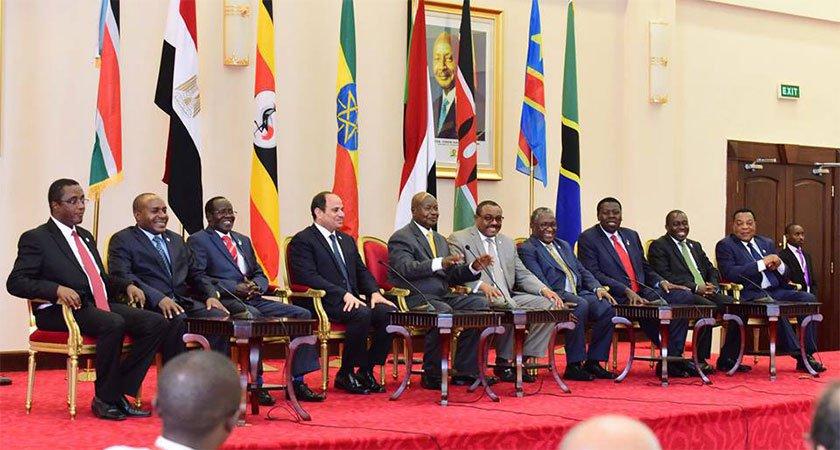
Nile Basin policy should link water governance to broader regional cooperation initiatives, including energy trade, transport corridors, and climate adaptation projects (Ray, 2020; Malesi, 2025). Regular high-level forums should bring together water, foreign affairs, and energy ministries to coordinate multi-sectoral strategies, strengthen diplomatic channels, and prevent unilateral actions. Confidence-building measures, such as joint infrastructure projects and shared research programs, can reduce mistrust. Regional integration enhances economic interdependence and security, mitigating zero-sum competition over Nile resources. By embedding water governance in broader geopolitical and development frameworks, the basin can achieve stability, equitable resource sharing, and resilience against external and internal shocks.
References
Abdelhadi, M. (2020, July 30). Nile dam row: Egypt fumes as Ethiopia celebrates. BBC News. https://www.bbc.com/news/world-africa-53518678
Asseff, B. (2025, August 26). Grand Renaissance Dam: The new commanding heights in the Horn of Africa. Federal Democratic Republic of Ethiopia Institute of Foreign Affairs. https://www.ethiopianforeignaffairs.gov.et
Borzutzky, S., & Berger, D. (2010). Damned if you do, damned if you don’t: The Eisenhower administration and the Aswan Dam. Middle East Journal, 64(1), 84–102. https://www.jstor.org/stable/20757938
Caruso, F. (2022, October). Ethiopia’s Grand Renaissance Dam: The law, history, politicians and geopolitics behind Africa’s largest hydropower project. Istituto Affari Internazionali. https://www.iai.it/en/pubblicazioni/ethiopias-grand-renaissance-dam
Gramer, R. (2020, July 22). Trump mulls withholding aid to Ethiopia over controversial dam. Foreign Policy. https://foreignpolicy.com/2020/07/22/trump-ethiopia-gerd-dam-aid/
Keskinen, M., & Käkönen, M. (2024). Waters of contention: The GERD and its impact on Nile Basin cooperation and conflict. Water, 16(15), 2174. https://doi.org/10.3390/w16152174
Malesi, T. (2025, July 18). GERD: Completion of Ethiopia mega dam reignites regional water rights wrangles. Down To Earth. https://www.downtoearth.org.in/news/energy/gerd-completion-of-ethiopia-mega-dam-reignites-regional-water-rights-wrangles-85459
Mbaku, J. M. (2020, August 5). Commentary: The controversy over the Grand Ethiopian Renaissance Dam. Brookings. https://www.brookings.edu/articles/commentary-the-controversy-over-the-grand-ethiopian-renaissance-dam/
Mekonnen, T. (2020). The geopolitical interests and involvement of the United States of America in the hydropolitics of the Nile River Basin from 1920 to the 1960s. Annales d’Ethiopie, 35, 225–243
Ranjan, A. (2024, February 1). Grand Ethiopian Renaissance Dam dispute: Implications, negotiations, and mediations. Journal of Contemporary African Studies, 42(1), 18–36. https://doi.org/10.1080/02589001.2024.1881762
Ray, C. A. (2020, September 17). The Grand Ethiopian Renaissance Dam: A regional destabiliser or a new model for African development? Foreign Policy Research Institute. https://www.fpri.org/article/2020/09/the-grand-ethiopian-renaissance-dam-a-regional-destabilizer-or-a-new-model-for-african-development/
Tekuyea, M. (2020a, March 25). Colonial-era treaties are to blame for the unresolved dispute over Ethiopia’s dam. The Conversation. https://theconversation.com/colonial-era-treaties-are-to-blame-for-the-unresolved-dispute-over-ethiopias-dam-134957
Tekuyea, M. (2020b, July 22). The Grand Renaissance Dam: What’s at stake and what could break the deadlock. The Conversation. https://theconversation.com/the-grand-renaissance-dam-whats-at-stake-and-what-could-break-the-deadlock-140123