

1.0 Introduction
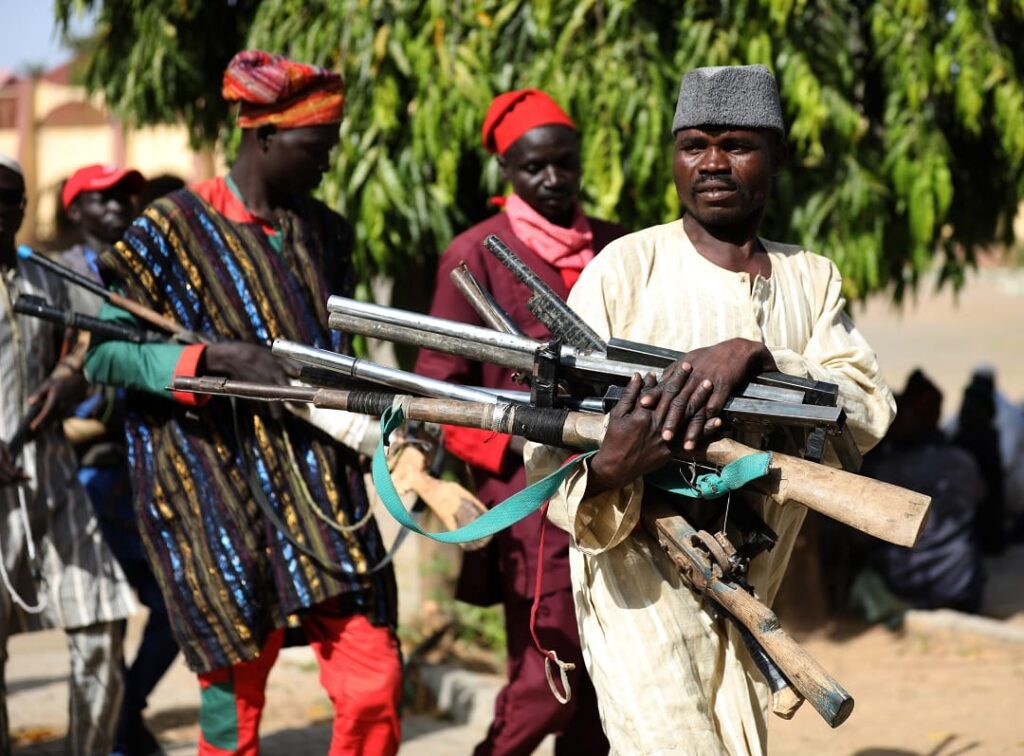
The persistent threat of organized crime in the Greater Eastern Africa region demands urgent attention because of its profound implications for regional peace, security, and sustainable development (UNDP, 2025). Recent incidents such as Ethiopia’s 2024 mass kidnapping of over 100 students (Global Initiative Against Transnational Organized Crime, 2025) and Kenya’s USD 63 million drug seizure linked to an Iranian-crewed vessel in 2025(UNODC, 2025) demonstrate the scale, sophistication, and transnational reach of criminal networks across the region. Defined as systematic illicit activities by structured groups driven by profit and power, organized crime has become one of the region’s most critical security challenges (Anya & Asogwa, 2021). Since the mid-2020s, the Greater Eastern Africa region has emerged as a global hotspot for transnational organized crime, functioning both as a source of illicit markets and as a strategic transit hub, enabling criminal networks to infiltrate political, economic, and social systems (Global Initiative Against Crime, 2025). Countries including Kenya, Somalia, the Democratic Republic of Congo, Ethiopia, Madagascar, and Djibouti face interconnected threats from terrorism, human trafficking (Yahya & Onour, 2024), illicit trade in minerals, drugs, and other commodities (African Union, 2019), and environmental crimes (Lambrechts, 2024). Groups such as Al-Shabaab, Mungiki, and M23 perpetrate killings, violence, property destruction, and systematic looting, severely undermining governance, social cohesion, and economic stability (Nzau, 2024). These crimes disrupt development, weaken public institutions, and foster corruption, allowing criminal networks to entrench themselves regionally and across borders (UNDP, 2025). This commentary analyzes the drivers of organized crime in the Greater Eastern Africa region and recommends policy interventions that promote regional stability.
2.0 Key Issues
2.1 State Patronage
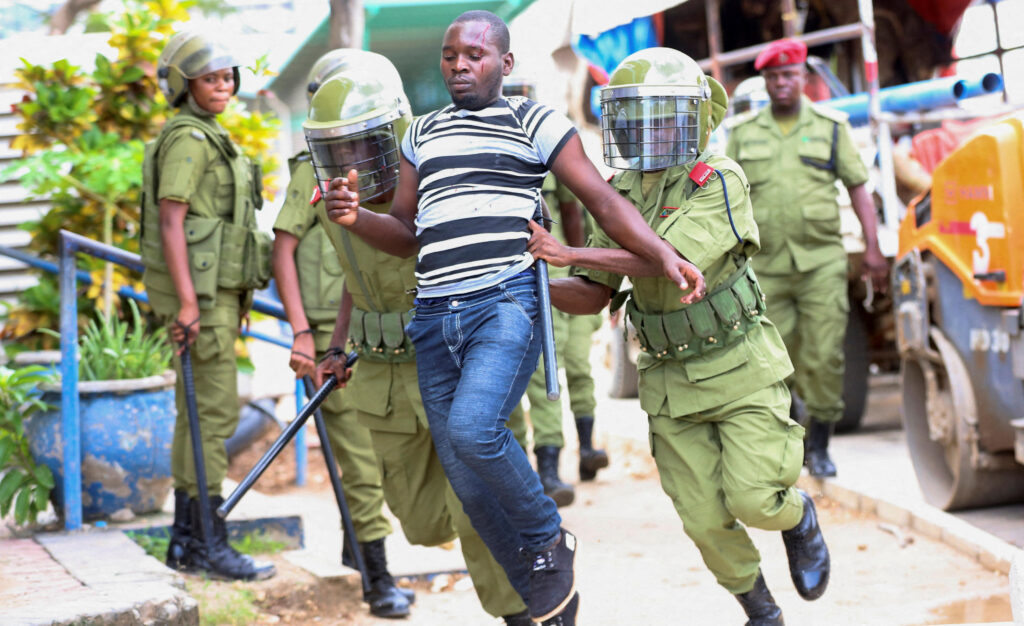
Organized crime in the Greater Eastern Africa is entrenched and fueled by the complicity of state actors, including security personnel, bureaucrats, political elites, and intermediaries who exploit power for private gain (Anya & Asogwa, 2021). In Kenya, the 2024 Gen Z anti-Finance Bill protests and the 2025 Saba Saba commemoration, marked by disappearances and killings, illustrate the operational nexus between political authority and criminal networks (Human Rights Watch, 2024). Rwanda and Uganda have been implicated as nodes in illicit gold extraction from eastern DRC, implicating senior officials and revealing regional patterns of state-facilitated criminality (Nzau, 2024). This structural impunity enables transnational organized criminals to operate across borders, leveraging protected trafficking routes, illicit financial flows, and compromised institutions. Political–criminal networks consolidate power within state structures, eroding the rule of law, corroding public trust, and undermining regional security, transforming organized crime into a systemic governance challenge (UNDP, 2025).
2.2 Emerging Technology
Emerging technologies, including Artificial Intelligence (AI), FinTech, and digital communication platforms, are increasingly leveraged to facilitate organized crime across Greater Eastern Africa (Kairu, 2025). During Tanzania’s 2025 general election, these technologies were reportedly weaponized as coordinated censorship mechanisms, producing information blackouts and enabling systematic violence (Human Rights Watch, 2025). Similarly, during Kenya’s Gen Z protests in 2024–2025, digital platforms were exploited by state-aligned actors and criminal networks to orchestrate intimidation, reputational harm, and the suppression of digitally mobilized youth movements (Amnesty International, 2025). Across the region, technological tools have amplified organized crime, enhancing operational efficiency, anonymity, and cross-border reach, while simultaneously enabling the emergence of sophisticated cybercrime networks (Kairu, 2025). This growing technological entanglement transforms criminal operations into complex, transnational systems that compromise institutional oversight, weaken governance, and exacerbate vulnerabilities in regional security architectures, illustrating how innovation intended for development can be co-opted to expand the scale and reach of organized crime (Human Rights Watch, 2025).
2.3 Criminal Economy

Poverty and widespread youth unemployment in the region are major accelerators for recruitment into organized crime (World Bank, 2024). Approximately 38% of Sub-Saharan Africa’s poor live in this region (World Bank, 2024), and over 70% of the population is youth, most of whom lack access to legitimate economic opportunities (ILO, 2025). As a result, many young people turn to criminal activities as an alternative source of income. In Kenya, marginalized youth in major slums such as Kibera and Kawangware are often recruited into criminal groups through deceptive promises of employment (World Bank, 2024). In Djibouti, unemployment and poverty among local and migrant youth drive extensive recruitment into smuggling and human trafficking networks (ILO, 2025). Similarly, rural poverty in Madagascar contributes to sophisticated environmental crimes and armed organized criminal enterprises (Lambrechts, 2024). These patterns show that poverty and unemployment are systemic enablers of the criminal economy. These conditions entrench criminal economies by normalizing illicit livelihoods and reinforcing dependence on informal and illegal income sources.
2.4 Porous Transnational Borders
Weak governance and porous borders create severe cross-border fragility, making Greater Eastern Africa a global hotspot for TOC (Nzau, 2024). Criminal networks exploit these gaps to expand illicit activities, infiltrate markets, and advance organized agendas. Attacks by Al-Shabaab, including Garissa University, Westgate Shopping Mall, and DusitD2 Complex in Kenya, reveal the vulnerability of the Kenya–Somalia border and the weaknesses of security institutions (Nzau, 2024). Similarly, porous corridors between Ethiopia and Sudan facilitate human trafficking, especially of vulnerable youth seeking green pastures in Europe or the Arabian Peninsula (ICCT, 2024). The Uganda–DRC border is exploited for high-value natural resources and wildlife, including gold and ivory (Nzau, 2024). These transnational vulnerabilities reinforce the region’s role as a TOC transit hub. These cross-border vulnerabilities reinforce the region’s role as a transit hub for transnational organized crime, undermining collective security and regional stability.
3.0 Conclusion
Organized crime represents a systemic threat to peace and regional stability across Greater Eastern Africa. Its persistence is entrenched in state patronage, technological exploitation, youth unemployment, and entrenched poverty, which sustain and institutionalize criminal networks. Porous borders amplify transnational trafficking of people, drugs, and illicit goods, consolidating the region as a hub for organized crime. These structural dynamics erode the rule of law, corrode public trust, and exacerbate cycles of violence and instability. The convergence of political complicity, socio-economic vulnerabilities, and technological enablement transforms organized crime into a transnational governance challenge that undermines institutional integrity and destabilizes regional security architectures.
4.0 Policy Recommendations
4.1 Curbing Political Patronage
States across the Greater Eastern Africa region can strengthen governance and curb political patronage in TOC,by establishing independent anti-corruption courts with operational autonomy to prosecute officials involved in illicit networks. Governments should implement mandatory lifestyle audits, ensure transparent contract documentation, and reinforce parliamentary oversight. Media, civil society, and regional bodies can support accountability and coordinated intelligence-sharing. These measures shall constrain entrenched political-criminal networks, enhance institutional resilience, and rebuild public trust. By dismantling patronage structures within state institutions, governments will reduce opportunities for transnational organized crime, strengthen state capacity, and promote long-term stability. Regional collaboration amplifies national reforms, ensuring harmonized enforcement, limiting illicit networks’ reach, and fostering sustainable socio-economic development. This comprehensive approach positions governance structures to effectively resist corruption-driven organized crime.
4.2 Strengthening Digital Security

States in the Greater Eastern Africa can enhance resilience against technology-enabled organized crime by establishing regional digital crime units and coordinating intelligence-sharing among telecom operators, law enforcement agencies, and financial institutions. Judicial and enforcement personnel require specialized training in digital forensics, cyber-intelligence, and online evidence handling to detect, trace, and disrupt transnational criminal operations. Oversight by independent bodies—including judiciary, parliament, and civil society—reinforces accountability and limits exploitation of digital platforms. Systematic mitigation of technological vulnerabilities reduces criminal leverage, strengthens governance capacity, and curtails cyber-enabled operations. Coordinated regional approaches shall ensure timely intelligence, operational consistency, and effective enforcement. These measures collectively enhance state resilience, limit criminal influence, and support regional stability, security, and sustainable socio-economic development.
4.3 Promoting Youth Economic Inclusion
Governments in Greater Eastern Africa should implement targeted economic inclusion programs to reduce youth vulnerability to organized crime occasioned by unemployment. Policies must provide vocational training, entrepreneurship initiatives, formal employment opportunities, and accessible microfinance, especially for marginalized youth in urban slums and rural areas. Financial institutions, private sector actors, and civil society should collaborate to expand mentorship, market access, and youth skills development. Such coordinated investment in youth empowerment strengthens governance, enhances long-term stability, and promotes sustainable socio-economic development, ensuring resilient communities and reducing systemic criminal exploitation.
4.4 Integrated Border Management
States in Greater Eastern Africa can strengthen border governance to limit transnational organized crime by establishing joint operational points, harmonizing regulatory frameworks, and implementing real-time intelligence-sharing mechanisms. Law enforcement agencies, financial intelligence units, and regional intergovernmental bodies should coordinate monitoring, interdiction, and disruption of illicit cross-border activities. Governments must assess and fortify vulnerabilities at critical border points to reduce criminal leverage and strengthen institutional capacity. Embedded oversight mechanisms ensure effective enforcement. Coordinated cross-border interventions and standardized regulatory measures constrain the movement of illicit goods, finances, and human trafficking networks. By prioritizing integrated border management, states enhance resilience, limit criminal influence, and promote sustainable socio-economic development, stability, and long-term peace across the region.
5.0 References
African Union. (2019). Report on transnational organized crime in Africa. African Union Commission.
Amnesty International. (2025). Digital repression and youth activism in East Africa. Amnesty International. https://www.amnesty.org/en/latest/research/
Anya, O., & Asogwa, E. (2021). Organized crime and state complicity in Africa. Journal of African Security Studies, 14(2), 45–62.
Gardini, L. (2021). Environmental crime and rural poverty in Madagascar. African Environmental Review, 9(1), 78–95.
Human Rights Watch. (2024). Human rights and state-backed violence in Kenya. Human Rights Watch. https://www.hrw.org/africa/kenya
Human Rights Watch. (2025). Technology, elections, and repression in Tanzania. Human Rights Watch. https://www.hrw.org/news/2025/01/
ICCT (International Centre for Counter-Terrorism). (2024). Human trafficking and smuggling in the Horn of Africa. ICCT Policy Brief, 12(3). https://icct.nl/publication/
International Labour Organization (ILO). (2025). Youth employment and vulnerability to organized crime in Sub-Saharan Africa. ILO Regional Report. https://www.ilo.org/africa/publications
Kairu, F. (2025). Artificial intelligence, fintech, and cybercrime in East Africa. African Journal of Technology and Security, 7(1), 12–28.
Lambrechts, D. (2024). Environmental crimes in Greater Eastern Africa: Patterns and challenges. African Crime and Security Review, 5(2), 33–50.
Nzau, J. (2024). Transnational organized crime in East Africa: Borders, resources, and terror networks. Eastern Africa Security Studies, 11(4), 101–123.
United Nations Development Programme (UNDP). (2025). State fragility and organized crime in Greater Eastern Africa. UNDP Regional Report. https://www.undp.org/africa/press-releases/socio-economic-resilience-critical-advancing-sustainable-peace-and-security-east-africa
United Nations Office on Drugs and Crime (UNODC). (2025). Drug trafficking incidents and seizures in East Africa. UNODC Regional Report. https://www.unodc.org/easternafrica/en/what-we-do/transnational-organized-crime/
World Bank. (2024). Poverty, youth unemployment, and crime in Sub-Saharan Africa. World Bank Regional Report. https://www.worldbank.org/en/region/afr/publication
Yahya, M., & Onour, M. (2024). Human trafficking networks in the Horn of Africa. African Journal of Criminology, 10(3), 56–74.
Global Initiative Against Transnational Organized Crime. (2025). Kidnappings and transnational criminal networks in Ethiopia. Global Initiative. https://globalinitiative.net/analysis/africa-organised-crime-index-2025/
Global Initiative Against Crime. (2025). East Africa as a hub for organized crime: Trends and threats. Global Initiative. https://ocindex.net/