

1.0 Introduction
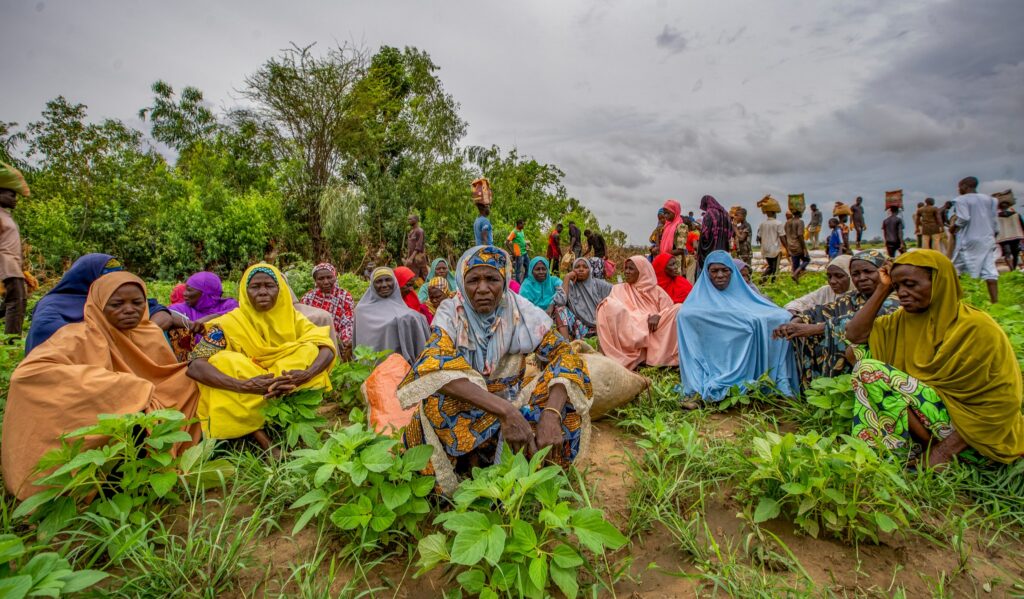
Greater Eastern Africa continues to face persistent, multi-dimensional food insecurity, affecting millions across Burundi, the Democratic Republic of Congo, Kenya, Rwanda, Somalia, South Sudan, Tanzania, and Uganda. In 2024, approximately 69 million people experienced acute food insecurity, representing nearly half of the region’s undernourished population (IFRC, 2025). Climatic extremes, including recurrent droughts and floods, intersect with armed conflict, population displacement, and economic volatility, generating systemic disruption in agricultural production, market access, and rural livelihoods. Cross-border movements intensify pressure on national food systems and social cohesion, exposing governance gaps and uneven institutional capacity. Chronic underinvestment in agriculture, coupled with fragmented social protection coverage, constrains households’ ability to absorb shocks or recover from repeated stressors (FAO, 2025; WFP, 2025). Regional coordination mechanisms, while formally established, are frequently limited in scale and timeliness, reducing their capacity to stabilise food systems during acute crises. These layered pressures reveal structural vulnerabilities in policy alignment, resource allocation, and institutional responsiveness across Greater Eastern Africa. The purpose of this commentary is to identify the structural drivers of food insecurity and proffer proactive institutional dynamics that will shape regional resilience.
2.0 Key Issues
2.1 Climate Shocks Disrupt Agricultural and Market Systems
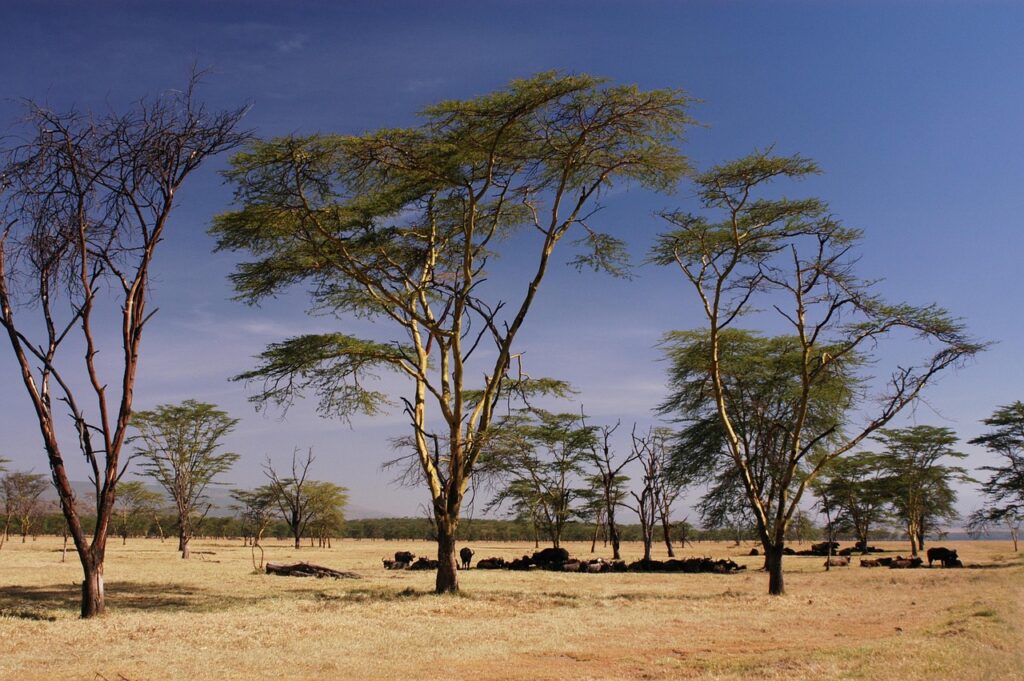
Recurrent droughts, erratic rainfall, and episodic flooding increasingly undermine agricultural production across Greater Eastern Africa (FAO, 2025; WFP, 2025; UN DESA, 2025). Crop yields decline, livestock productivity falls, and rural infrastructure is degraded, producing cascading deficits in supply chains. Smallholder households, which constitute the majority of producers, experience reduced recovery capacity before subsequent shocks, heightening systemic vulnerability. Infrastructure deficits in irrigation, storage, and transport amplify exposure, limiting effective adaptation to climate variability. Cross-border trade networks are disrupted, causing price volatility and food access disparities between deficit and surplus areas. Climatic shocks interact with economic fragility, compounding market and labour constraints. This structural tension exposes gaps in anticipatory planning and institutional coordination, revealing that climatic variability is not only an ecological phenomenon but a driver of persistent regional food insecurity. These dynamics establish the foundational stressors that subsequent governance and conflict pressures must address.
2.2 Armed Conflict Undermines Food System Stability
Protracted conflicts in Sudan, South Sudan, and the Democratic Republic of Congo displace millions and reduce agricultural labour availability (IOM, 2025; ACLED, 2025; UNHCR, 2025). In Sudan, clashes between national and paramilitary forces since 2023 have displaced over 14 million people, disrupting production in fertile zones. South Sudan’s inter-communal violence constrains cross-border and local food flows, sustaining famine conditions in multiple counties. In North Kivu and Ituri, chronic insecurity limits planting cycles, access to markets, and storage capacity, affecting more than 23 million acutely food-insecure individuals (WFP, 2025). Displacement strains host governance and social cohesion, creating mobility-security linkages that elevate vulnerability. Infrastructure damage, market fragmentation, and population movement interact to compound chronic food insecurity. These structural interactions reveal how regional insecurity directly diminishes system resilience and the capacity of national and regional institutions to stabilise food availability under protracted conflict conditions.
2.3 Social Protection Gaps Sustain Household Vulnerability
National social protection systems across Greater Eastern Africa remain unevenly implemented, leaving large populations exposed to shocks (World Bank, 2025; UNICEF, 2025; IFRC, 2025). Ethiopia’s Productive Safety Net Program mitigated risk for approximately 800,000 households, yet millions remained unprotected. Kenya’s cash transfer programs show modest nutrition gains, but significant coverage gaps persist. In Uganda, refugee assistance reductions from 1.6 million to 662,000 recipients illustrate financing volatility undermining program reliability (WFP, 2025). Shock-responsive mechanisms are limited, preventing timely scale-up during acute crises. Institutional asymmetries across EAC member states reinforce uneven operational capacity and predictability. These systemic deficits leave households chronically exposed, particularly in regions experiencing climatic or conflict shocks. The persistence of coverage gaps, financing constraints, and implementation asymmetries highlights structural vulnerability within social protection frameworks. This creates layered risks that intersect with agricultural, climatic, and mobility pressures, positioning the region’s population at persistent food insecurity risk.
2.4 Agricultural Underinvestment Limits Regional Adaptive Capacity
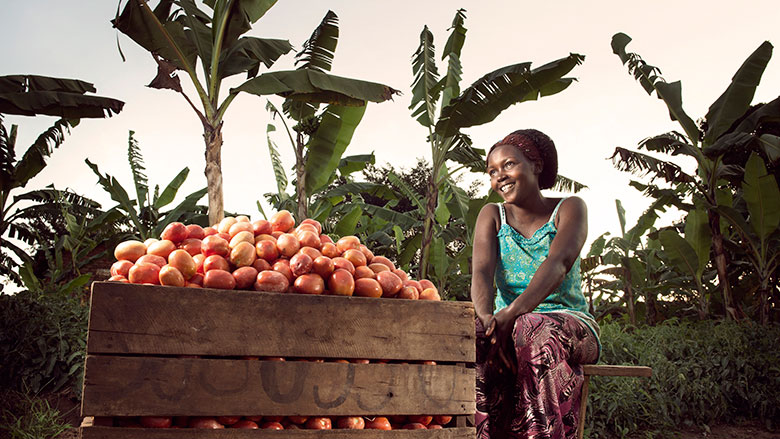
Agricultural productivity in Greater Eastern Africa consistently lags behind demographic and consumption growth, reflecting chronic underinvestment in research, extension services, and infrastructure (AfDB, 2025; FAO, 2025; WFP, 2025). Only a fraction of arable land is effectively cultivated, and access to improved seeds, irrigation, and markets remains limited. Resource allocation disparities are pronounced: Kenya and Ethiopia receive relatively higher development assistance, while Somalia, Sudan, and the DRC remain under-resourced. Export restrictions on staple foods and fragmented trade policies exacerbate price volatility and constrain cross-border market integration (EAC Secretariat, 2025). Smallholder farmers are particularly exposed, with limited capacity to absorb or adapt to shocks. These structural constraints reduce institutional resilience, hinder regional coordination, and maintain cyclical vulnerability within food systems. The interaction of underinvestment, infrastructural deficits, and market fragmentation intensifies systemic fragility, setting the stage for recurrent food insecurity across Greater Eastern Africa.
3.0 Conclusion
Food insecurity in Greater Eastern Africa results from overlapping structural pressures that interact to sustain systemic vulnerability. Climatic shocks disrupt agricultural production and markets, reducing smallholder recovery capacity. Protracted conflicts displace populations, damage infrastructure, and constrain labour availability, generating mobility-security pressures. Uneven social protection leaves households exposed, while chronic underinvestment in agriculture limits adaptive capacity and market integration. These interdependent dynamics reveal persistent gaps in institutional resilience and coordination across national and regional bodies. The structural misalignment between policy frameworks, resource allocation, and operational execution compounds exposure to repeated shocks. This analysis establishes the foundation for policy measures directly traceable to each identified structural driver.
4.0 Policy Recommendations
4.1 Expand Climate-Adaptive Agricultural Infrastructure
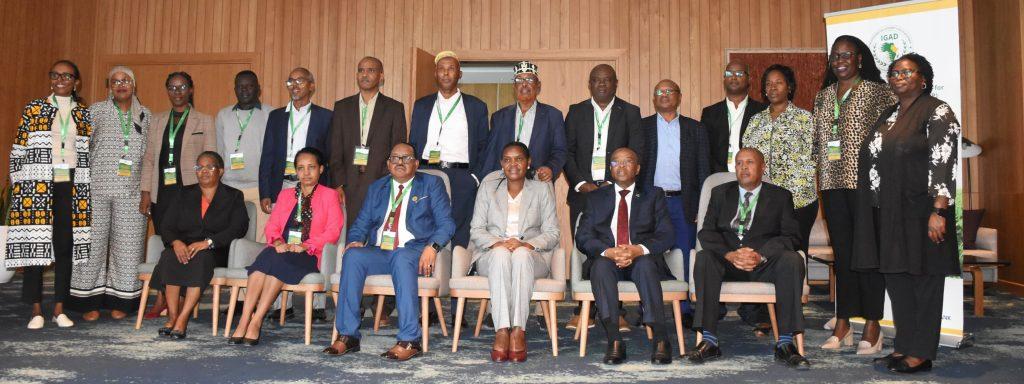
National agricultural authorities in Kenya, Ethiopia, Somalia, and South Sudan, coordinated under IGAD’s Regional Agricultural Coordination Unit, should implement targeted climate-adaptive infrastructure programs across agro-ecological zones. Interventions include constructing irrigation networks, flood control systems, and climate-resilient storage facilities to safeguard crops, livestock, and post-harvest produce. Performance-linked grants will fund national units, supported by regional technical teams, while IGAD’s agro-ecological dashboard monitors implementation. Quarterly impact assessments feeding into EAC food security platforms will track productivity, supply chain stability, and shock absorption. Multi-year national budgets, complemented by African Development Bank financing, are ring-fenced. Collectively, these measures will anticipate recurrent climatic shocks, preserve output, stabilise markets, and enhance institutional capacity for resilient food systems in Greater Eastern Africa.
4.2 Strengthen Conflict-Responsive Food Access Mechanisms
National disaster management and agricultural authorities in Sudan, South Sudan, and the DRC, in coordination with UNHCR and IOM, should operationalise conflict-responsive food access systems. Interventions to include pre-positioned food reserves, secure distribution corridors, and mobile logistics units to maintain consistent availability. Displacement tracking data from IOM will trigger automated resource allocation protocols monitored through EAC and IGAD coordination dashboards. Quarterly scenario simulations anticipate conflict-induced shortages, while independent audit panels and parliamentary oversight ensure accountability. Funding be derived from national budgets and pooled regional humanitarian resources. These measures stabilise access for displaced populations, mitigate mobility-security pressures, preserve agricultural and social system functionality, and strengthen institutional capacity to maintain resilience under protracted insecurity across Greater Eastern Africa.
4.3 Expand Universal Social Protection Coverage
National social protection and finance authorities in Ethiopia, Kenya, Uganda, Rwanda, and Tanzania, coordinated with the IGAD Secretariat and the AU Social Affairs Department, should scale social protection programs to cover all vulnerable households. Initiatives to include direct cash transfers and conditional support schemes linked to integrated national registries incorporating household income, demographic, and displacement data. Automatic disbursement platforms and quarterly performance audits will monitor delivery and predictability. Multi-year national budgets, supported by AfDB financing, are ring-fenced. Civil society monitoring and independent oversight boards ensure transparency and compliance. These measures reduce household exposure to recurrent shocks, strengthen absorptive capacity, and address structural gaps in social protection, thereby enhancing resilience across Greater Eastern Africa.
4.4 Targeted Agricultural Investment and Market Integration
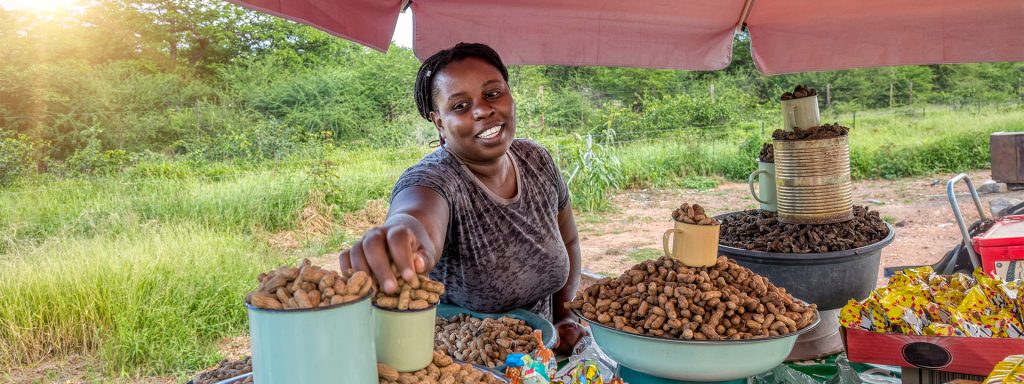
Agricultural and trade authorities in Kenya, Ethiopia, Tanzania, Rwanda, and Uganda, coordinated with IGAD Trade and Market Units and the EAC Secretariat, should implement integrated agricultural investment and market integration programs. Interventions to include performance-linked funding for irrigation, improved seeds, fertilisers, smallholder extension services, and harmonised cross-border trade protocols. National agricultural observatories will feed data into EAC digital dashboards, with peer-review evaluations tracking compliance and yield outcomes. Public-private partnerships and periodic impact assessments reinforce accountability. These measures address chronic underinvestment and fragmented trade, stabilise regional food flows, reduce price volatility, and strengthen institutional capacity to maintain resilient, cross-border agricultural systems throughout Greater Eastern Africa.
5.0 References
African Development Bank. (2025). African agriculture development report 2025: Investments, productivity, and resilience in Eastern Africa. https://www.afdb.org/en/documents/african-agriculture-development-report-2025
African Union. (2025). AU social affairs department annual report 2025: Social protection frameworks in Eastern Africa. https://au.int/en/documents/au-social-affairs-report-2025
Food and Agriculture Organisation of the United Nations. (2025). State of food and agriculture in Eastern Africa 2025: Climate impacts and production trends. https://www.fao.org/publications/sofa-2025
Intergovernmental Authority on Development. (2025). Regional agricultural coordination unit: Annual progress report 2025. https://igad.int/programs/regional-agriculture
International Federation of Red Cross and Red Crescent Societies. (2025). Confronting food insecurity trends in Eastern Africa: Expert assessment 2025. https://www.ifrc.org/article/confronting-food-insecurity-trends-africa
International Organisation for Migration. (2025). Displacement tracking matrix: Eastern Africa regional data report 2025. https://www.iom.int/dtm
United Nations Department of Economic and Social Affairs. (2025). Population and development trends in Eastern Africa 2025. https://www.un.org/development/desa
United Nations High Commissioner for Refugees. (2025). Forced displacement estimates: Eastern Africa 2025. https://www.unhcr.org/statistics
World Bank. (2025). Food security update 118: Persistent challenges in Eastern Africa. https://thedocs.worldbank.org/en/doc/40ebbf38f5a6b68bfc11e5273e1405d4-0090012022/related/Food-Security-Update-118-September-19-2025.pdf
World Food Programme. (2025a). Regional office for Eastern and Southern Africa: Nourishing futures 2024–2025. https://www.wfp.org/publications/regional-office-eastern-and-southern-africa-nourishing-futures-wfps-humanitarian
World Food Programme. (2025b). Global hunger trends 2025: Regional focus on Eastern Africa. https://www.wfp.org/news/global-hunger-declines-rises-africa-and-western-asia-un-report
East African Community Secretariat. (2025). Trade and market integration report 2025: EAC member states. https://www.eac.int/documents/trade-market-integration-2025
Armed Conflict Location & Event Data Project. (2025). ACLED Eastern Africa dataset 2025. https://acleddata.com/data-export-tool/