

1.0 Introduction
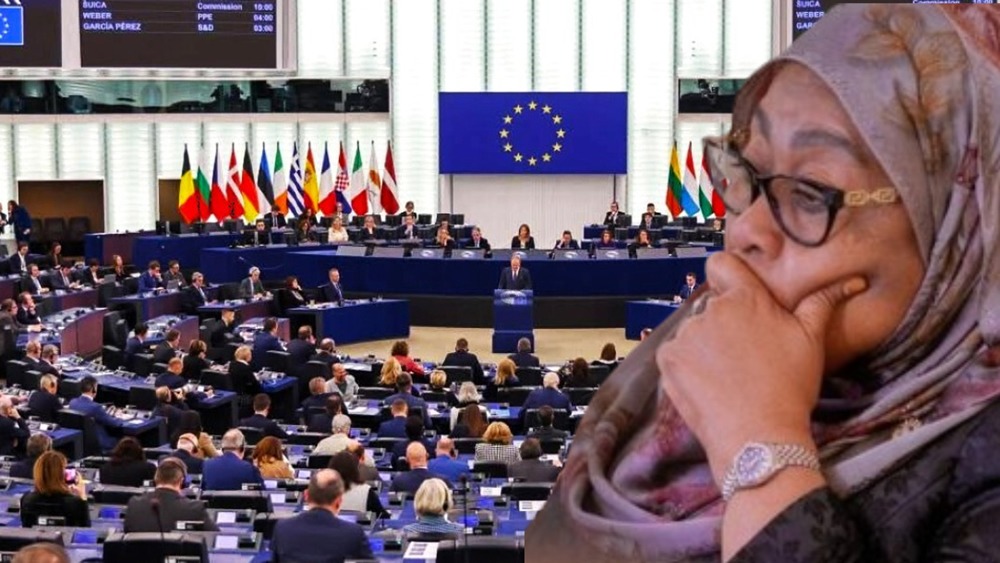
On 27 November 2025, the European Parliament (EP) condemned post-election human-rights abuses and democratic backsliding in Tanzania following the 29 October general election. The EP’s Foreign Affairs (AFET) and Development (DEVE) committees formally objected to the EU’s proposed 2025 Annual Action Plan (AAP) financing totalling €156 million, prompting the European Commission to suspend its implementation until the Parliament completes its approval process (TanzaniaInvest, 2025). The resolution cites credible reports of arbitrary arrests of opposition politicians, suppression of independent media, internet shutdowns, and violent post-election crackdowns (European Parliament, 2025). The freeze puts at risk a wide range of EU-supported programs, including civil-society initiatives, media freedom projects, education, health, governance, and energy infrastructure (The Chanzo, 2025). The Tanzanian government called the decision “political interference,” saying domestic funds could cover any shortfall and prevent a crisis (The Citizen, 2025). Nevertheless, other donors, including USAID, have already announced cuts or are reassessing support, raising concerns about shrinking external assistance (The Guardian, 2025). This change signals that EU aid will now depend on good governance, respect for human rights, and fair political processes. With upcoming elections in Uganda (January 2026), Ethiopia (2026), Benin (April 2026), Cape Verde (October 2026), and Kenya (2027), the move sends a clear message to leaders and voters in Greater Eastern Africa. This commentary examines the immediate and medium-term impact of the funding freeze on Tanzania, explores likely regional consequences, highlights lessons for election management, and provides practical recommendations to protect democracy, social development, and implications to future regional stability.
2.0 Key Issues
2.1 Disruption to Development and Social Programmes
The frozen €156 million was allocated for civil society initiatives, governance programs, social services, and energy infrastructure under the EU cooperation framework (TanzaniaInvest, 2025). Without these funds, ongoing projects may be suspended, and planned initiatives delayed or cancelled, threatening health, education, social protection, and infrastructure delivery, especially in rural and marginalised areas. Relying solely on domestic resources is unlikely to compensate fully. The government’s claim that existing budgets can cover the shortfall overlooks fiscal constraints. Increased borrowing or cuts to essential programs could intensify economic pressures, disrupt public service delivery, and slow development progress. Vulnerable communities would face service gaps, while citizens’ trust in government could erode. Delays may weaken institutional effectiveness and slow improvements in social welfare, leaving rural populations exposed to risks from reduced funding (The Citizen, 2025).
2.2 Erosion of Political Legitimacy and International Credibility
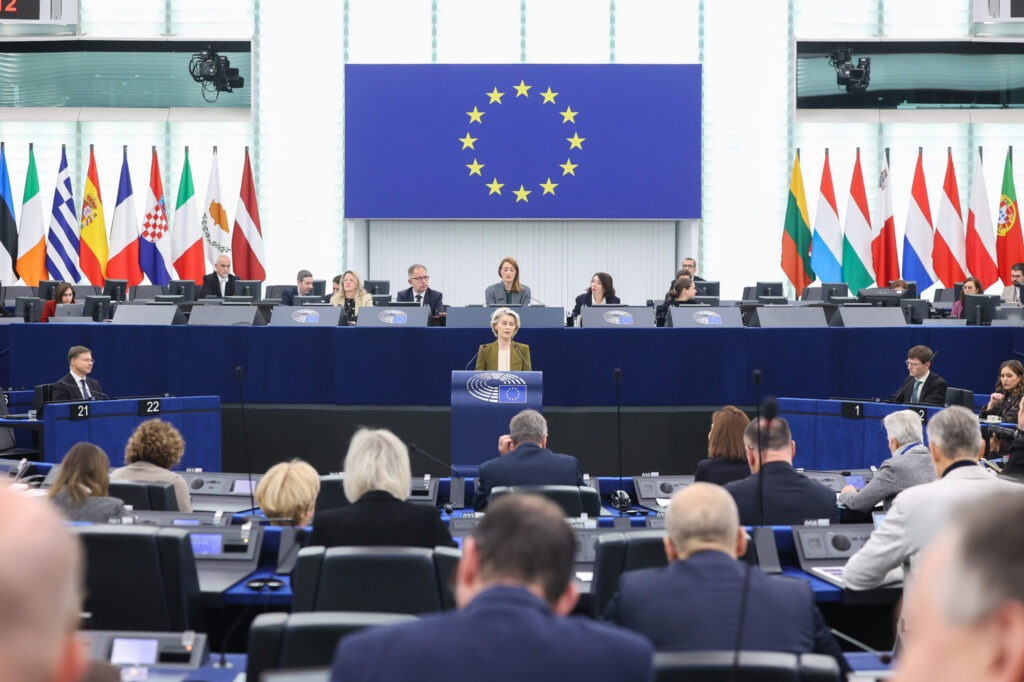
The European Parliament condemned post-election abuses, including arbitrary arrests, media restrictions, and detention of opposition figures, undermining the legitimacy of the 2025 election outcomes (European Parliament, 2025). Domestically, this reduces confidence in the ruling administration and raises questions about its democratic mandate. Opposition parties, civil society, and citizens are likely to increase demands for accountability, transparency, and justice. Internationally, Tanzania’s reputation and appeal to investors may decline as political risk rises. The government’s downplaying of the funding freeze as “no crisis” may be unrealistic if foreign investment drops and essential services are disrupted. Such developments could weaken credibility with citizens and development partners, increasing pressure on governance and reform while raising scrutiny of political and economic decision-making (The Citizen, 2025).
2.3 Contraction of Civic Space and Threats to Civil Society & Media
The EP resolution highlighted arbitrary arrests, suppression of independent media, and violations of freedom of expression and assembly (European Parliament, 2025). EU funding previously supported civil society initiatives and media freedom projects, enabling investigative journalism, human rights advocacy, and public accountability mechanisms (European External Action Service, 2025). With EU funding suspended and other donors like USAID reducing support (The Guardian, 2025), many NGOs and independent media outlets face closure or downsizing. This reduces oversight, limits critical reporting, and weakens civic engagement when accountability is most needed. Shrinking civic space threatens long-term democratic resilience, encourages authoritarian practices, and diminishes opportunities for citizens to participate in governance. Reduced civic monitoring increases the risk of policy failures and less responsive government action, undermining social development and citizen trust.
2.4 Regional Spillover Effects on Integration, Trade, and Investor Confidence
Tanzania is a central hub for trade, transport, and energy infrastructure across the East African Community (EAC). EU-funded projects support roads, energy corridors, and cross-border initiatives that facilitate trade and integration (The Chanzo, 2025). Disruptions may slow connectivity, reduce trade flows, and deter investment across East Africa. Neighbouring countries holding elections in 2026–2027, including Uganda, Ethiopia, and Kenya, may face broader economic challenges: rising logistics costs, delayed projects, lower trade, and declining investor confidence. Governance failures in Tanzania can destabilise regional development, hinder integration, and create economic uncertainty beyond national borders. Investor caution may slow foreign investment, while governments may struggle to maintain regional commitments, affecting growth, cooperation, and economic stability across Greater Eastern Africa, with potential long-term consequences for regional development.
3.0 Conclusion
The suspension of EU and other international aid to Tanzania heralds a turning point: democracy, human rights, and accountable governance are now central to development cooperation. For Tanzania, the freeze threatens essential social programmes, undermines civic space, and erodes political legitimacy. On a regional level, the decision may stall integration efforts, discourage investment, and influence electoral behaviour ahead of the 2026–2027 polls. This establishes a new norm that aid is conditional, not automatic. If applied consistently, this could strengthen institutions and electoral integrity across Greater Eastern Africa. Whether this shift yields reform or resistance depends crucially on political will, transparent enforcement, and regional solidarity.
4.0 Policy Recommendations
4.1 Accelerate Domestic Revenue Mobilisation and Financial Autonomy
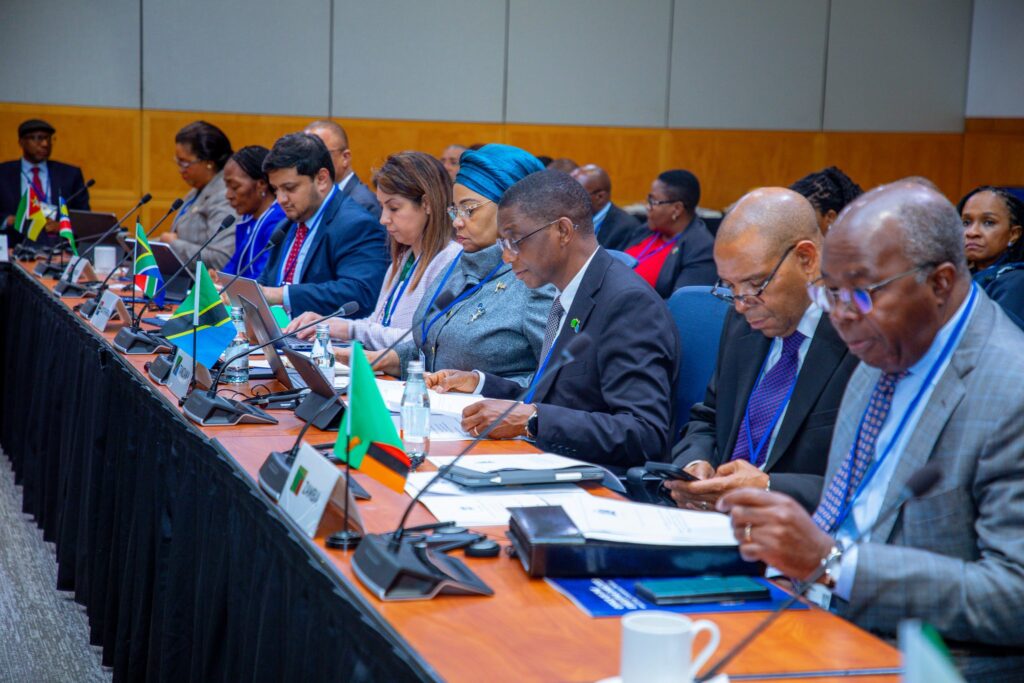
Tanzania and other Eastern Africa states should implement comprehensive reforms to strengthen domestic revenue mobilisation, including modernising tax collection systems, broadening the tax base, formalising informal sectors, and improving enforcement against tax evasion and corruption. Public-private partnerships should be expanded to mobilise additional resources for infrastructure, healthcare, education, and social-protection programmes. Diversifying revenue streams reduces dependency on external aid, ensuring continuity of essential development interventions even when donor support is delayed or suspended. Enhanced fiscal capacity allows governments to maintain macroeconomic stability, fund social services effectively, and respond to unforeseen shocks without compromising critical programmes, ultimately building resilience and long-term sustainability.
4.2 Strengthen Electoral and Governance Institutions
National electoral commissions, parliaments, judiciaries, and oversight bodies must implement institutional reforms to ensure transparency, impartiality, and accountability. Measures include accurate voter registration, independent election observation, robust dispute-resolution mechanisms, protection of opposition parties, and transparent campaign financing. Strengthened institutions enhance the credibility of elections, prevent manipulation, and reduce political tension. Effective governance structures promote the rule of law, human rights, and democratic legitimacy, which in turn stabilise domestic politics and safeguard international cooperation. By reinforcing institutional capacity and accountability, governments can avoid donor-triggered funding suspensions, ensure continuity of development programmes, and foster citizen trust, while signalling to regional and international partners a genuine commitment to democratic governance.
4.3 Safeguard Civic Space and Independent Media
Governments should establish and enforce robust legal frameworks guaranteeing freedom of expression, association, assembly, and the press. Independent media, civil-society organisations, and human-rights defenders must have access to secure funding channels, including regional and international support, even if state cooperation is limited. Protecting civic space strengthens accountability, enables investigative journalism, fosters citizen engagement, and promotes transparent governance. Supporting NGOs and media ensures sustained monitoring of public institutions, reduces corruption, and provides early warning against democratic backsliding. By empowering civil society, countries can maintain democratic resilience, preserve social cohesion, and meet international governance expectations, thereby avoiding reputational risks, funding suspensions, and potential diplomatic isolation.
4.4 Link Regional Development and Integration Projects to Governance Standards
Regional institutions, such as the East African Community (EAC), and multilateral development partners should condition infrastructure, trade, and integration projects on adherence to democratic norms, human-rights observance, and transparent governance. Compliance criteria should be clear, measurable, and consistently enforced to prevent political abuse. Aligning regional development support with governance standards mitigates risks of project delays or disruptions due to national political failures. Conditionality ensures that countries respect democratic principles, foster regional stability, and protect investment and integration projects from reputational or financial damage. By establishing this linkage, governments are incentivised to strengthen institutions and accountability, promoting sustainable regional cooperation while maintaining donor confidence.
5.0 References
European External Action Service. (2025, February 14). EU awards grants to strengthen civil society in Tanzania. European Union. https://www.eeas.europa.eu/delegations/tanzania/eu-awards-tzs-178-billion-grants-strengthen-civil-society-tanzania_en
European Parliament. (2025, November 27). Human rights violations in Tanzania, Iran and Tunisia – press release. European Parliament. https://www.europarl.europa.eu/news/en/press-room/20251120IPR31502/human-rights-violations-in-tanzania-iran-and-tunisia
TanzaniaInvest. (2025, November 21). EU Parliament Committees adopt an objection to block 2025 financing for Tanzania over human rights and election concerns. TanzaniaInvest. https://www.tanzaniainvest.com/economy/eu-parliament-motion-block-financing-aap
The Chanzo. (2025, November 20). EU Parliament Committees object to €156 million funding for Tanzania amid ‘democratic backsliding’. The Chanzo. https://thechanzo.com/2025/11/20/eu-parliament-committees-object-to-e156-million-funding-for-tanzania-amid-democratic-backsliding/
The Citizen. (2025, November 28). Tanzania vows ‘no crisis’ as EU suspends Sh400bn aid funds. The Citizen. https://www.thecitizen.co.tz/tanzania/news/national/tanzania-vows-no-crisis-as-eu-suspends-sh400bn-aid-funds-5280002
The Guardian. (2025, March 21). USAID funding disruptions: Tanzania needs alternative sources to offset reduced support. The Guardian. https://ippmedia.co.tz/the-guardian/features/read/usaid-funding-disruptions-tanzania-need-alternative-sources-to-offset-reduced-support-2025-03-21-171048