

1.0 Introduction
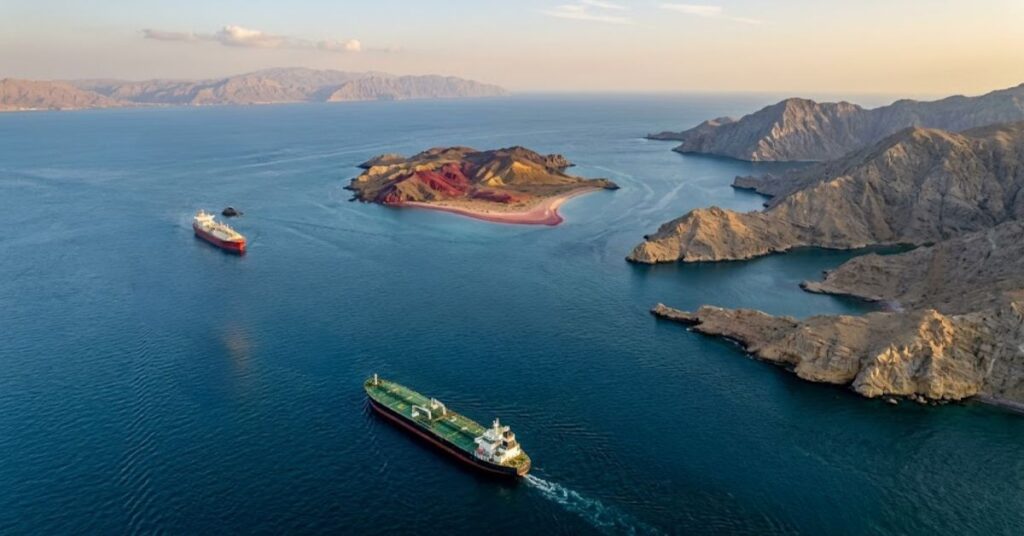
The escalating USA-Israel-Iran war has reactivated a structural fault line within global energy and maritime systems, centering on the Strait of Hormuz. As a vital artery facilitating the transport of approximately one-fifth of global crude oil and liquefied natural gas (LNG), the strait serves as a critical transmission node through which geopolitical shocks propagate across interconnected markets. (U.S. Energy Information Administration, 2025). For Greater Eastern Africa, defined through Africa Union (AU) mandate and institutional spaces, this disruption intersects with deep-seated reliance on imported petroleum, externally secured maritime corridors, and constrained macroeconomic buffers.
With the conflict driving up global energy prices—threatening to push Brent crude above $100 per barrel—price volatility is spreading rapidly across domestic systems in Kenya, Uganda, Rwanda, and Ethiopia (International Monetary Fund, 2025; World Bank, 2025). Simultaneously, heightened insecurity across the Gulf–Red Sea corridor elevates freight costs, insurance premiums, and transit uncertainty, reshaping trade conditions (UNCTAD, 2025).
These dynamics unfold within institutional systems struggling with high debt exposure, currency instability, and infrastructure limitations, limiting the capacity for proactive adaptation. This analysis examines how the disruption at the Strait of Hormuz restructures energy security, maritime risk, trade systems, and geopolitical positioning across Greater Eastern Africa.
2.0 Key Issues
2.1 Geopolitical Disruptions Threatening Regional Stability
Geopolitical disruptions across the Red Sea and Gulf corridors structure regional risk conditions within IGAD and EAC external engagement systems. Escalating tensions involving global powers and Gulf producers reconfigure diplomatic alignments, embedding member states within overlapping spheres of influence that constrain autonomous policy action (International Crisis Group, 2025). Expanded military deployments across the Red Sea and Western Indian Ocean further reshapes access to strategic maritime routes and security cooperation frameworks (Institute for Security Studies, 2025). Divergent engagement practices across foreign affairs ministries weaken collective positioning within multilateral platforms while increasing exposure to external shocks (African Union, 2025). The absence of codified engagement thresholds produces reactive external engagement systems, where short-term resource access overrides long-term institutional coherence (United Nations Office for West Africa and the Sahel, 2025). These dynamics transmit geopolitical volatility into interconnected governance architectures, structuring regional risk conditions across institutional systems.
2.2 Energy Dependence Driving Domestic Inflation from External Shocks
Energy dependence across Greater Eastern Africa transmits external volatility into domestic inflation systems through structurally exposed import frameworks. Petroleum supply chains remain closely linked to Gulf production systems, ensuring that price fluctuations in global energy markets are rapidly internalised within regional economies (International Energy Agency, 2025). Fuel operates as a critical input across transport, agriculture, and manufacturing, amplifying cost pressures across supply chains and consumer pricing structures (World Bank, 2025). Exchange rate depreciation further intensifies this transmission by increasing the domestic cost of dollar‑denominated imports and widening external imbalances (International Monetary Fund, 2025). Limited strategic reserves and fragmented procurement systems constrain institutional buffering capacity (African Development Bank Group, 2026). This structural configuration embeds external volatility within domestic inflation systems, reinforcing macroeconomic instability and reducing institutional adaptive capacity across interconnected regional economies.
2.3 Maritime Insecurity Undermining Trade Corridor Stability
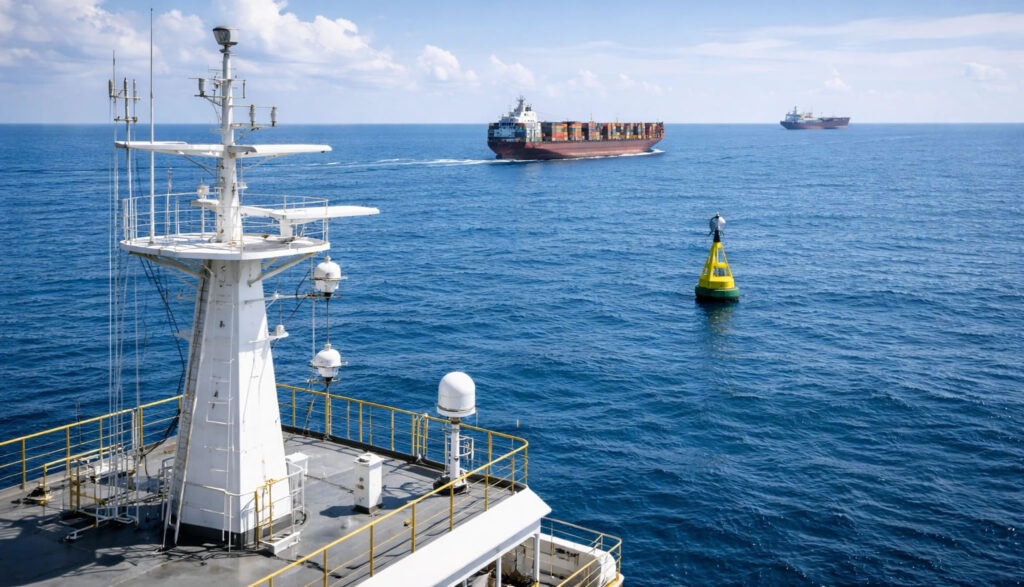
Maritime insecurity across the Red Sea and Western Indian Ocean destabilises corridor stability and mobility dynamics within regional trade and security systems. Persistent threats to commercial shipping elevate transit risk across critical maritime routes linking Greater Eastern Africa to global markets (International Maritime Organization, 2026). These routes concentrate logistical flows through key ports such as Mombasa and Djibouti, amplifying exposure to disruption and increasing logistic costs (UN Conference on Trade and Development, 2025). Rising insurance costs and operational uncertainty prompt rerouting and extended transit times, altering cargo movement patterns and labour mobility across sea‑land interfaces (International Organization for Migration, 2025). Fragmented naval coordination and limited maritime domain awareness reduce regional response capacity (Institute for Security Studies, 2025). These conditions embed corridor instability within mobility‑security linkages, reinforcing reliance on external security actors and diminishing regional anticipatory governance capacity structurally.
2.4 Supply Chain Disruptions Reshaping Regional Trade Patterns
Supply chain disruptions across global and regional networks redistribute regional trade positioning asymmetrically within Greater Eastern Africa’s corridor systems. Increased freight costs and scheduling uncertainty affect imports of fuel, fertilisers, and industrial inputs while constraining exports of time‑sensitive commodities such as horticultural products and tea (World Trade Organization, 2025). Delays reduce contractual reliability and weaken price competitiveness in global markets, particularly for economies dependent on consistent delivery cycles (UN Conference on Trade and Development, 2025). Shifting shipping patterns redirect logistical value toward alternative routes and ports, creating uneven distribution of economic activity within the region (African Union, 2026). Structural constraints, including limited value addition and concentrated export profiles, further reinforce asymmetric trade exposure (African Development Bank Group, 2025). These dynamics cumulatively restructure regional trade positioning under sustained external disruption, reinforcing unequal exposure across corridor systems and institutional resilience deficits.
3.0 Conclusion
Disruption at the Strait of Hormuz establishes the structural conditions from which economic and security effects propagate across Greater Eastern Africa. Geopolitical instability restructures external engagement thresholds, while energy dependence translates these pressures into domestic price, supply, and fiscal stress. Maritime insecurity redistributes risk across critical trade and mobility corridors, altering the flow of goods, services, and labour. These dynamics extend into supply chains, reshaping regional trade positioning and reinforcing systemic economic constraints. The interaction of these factors produces a layered institutional environment in which external shocks are absorbed unevenly, sustaining vulnerability defined by dependence, exposure, and constrained anticipatory governance and adaptive capacity across interconnected IGAD, EAC, and AU systems.
4.0 Policy Recommendations
4.1 Establish Structured Neutrality Frameworks for External Engagement
Foreign affairs ministries within IGAD and EAC member states, coordinated by the AU Peace and Security Council, should establish structured neutrality frameworks to govern external engagement under sustained geopolitical disruptions. The frameworks will codify engagement thresholds with Gulf producers, global powers, and multilateral institutions, ensuring consistent and verifiable diplomatic positioning across regional systems. Implementation will occur through interministerial coordination units integrating foreign affairs, energy, and finance ministries, while all bilateral and multilateral agreements will undergo centralised review within AU-aligned policy assessment mechanisms. Compliance and performance will be monitored through periodic reporting to IGAD and EAC secretariats, enabling verification, standardisation, and corrective action. This structured mechanism stabilises regional risk conditions, embedding durable, rules-based external engagement systems across Greater Eastern Africa.
4.2 Implement Regional Petroleum Reserves to Buffer Energy Vulnerabilities
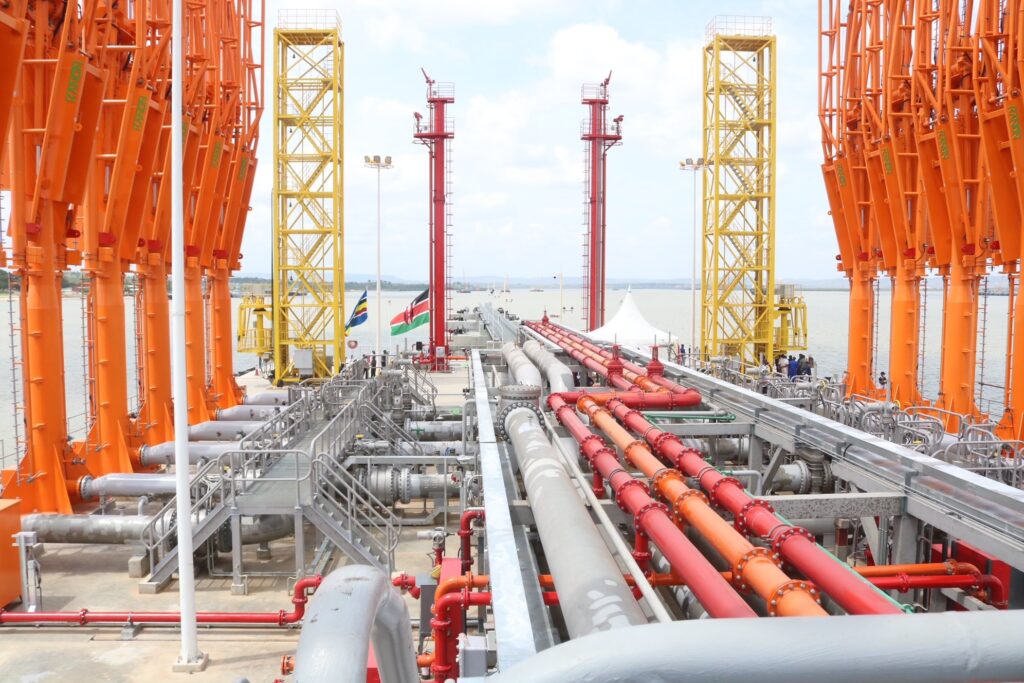
Energy ministries in Kenya, Uganda, Tanzania, Rwanda, and Ethiopia, coordinated through IGAD and EAC energy platforms, should implement a regional petroleum reserve system to buffer energy transmission vulnerabilities arising from sustained external volatility. The system will require mandatory stockholding equivalent to ninety days of net imports, distributed strategically across storage facilities in Mombasa and Dar es Salaam. Procurement will be executed through synchronised, long-term contracts linked to diversified suppliers, reducing concentration and supply risks. Release mechanisms will follow predefined supply and price thresholds to stabilise domestic inflation and maintain market predictability. Financing will operate through a pooled stabilisation fund indexed to import volumes. Oversight will be conducted through integrated regional energy data systems, enabling real-time monitoring, compliance verification, and coordinated activation of contingency responses across participating states.
4.3 Integrate Maritime Coordination Systems to Secure Corridor Mobility
Defence and transport ministries within IGAD and the EAC should operationalise an integrated maritime coordination system headquartered in Djibouti to secure corridor stability and mobility dynamics under sustained maritime insecurity conditions. The system will unify naval operations, coast guard functions, port authority oversight, and maritime domain awareness platforms within a centralised command and control structure. A regional data fusion centre will aggregate real-time intelligence from ports, vessels, and surveillance networks to enable coordinated operational responses. Patrol deployment will follow a rotational framework, ensuring continuous coverage across the Red Sea and Western Indian Ocean corridors. Formalised engagement protocols with external security actors will ensure interoperability, while a joint steering mechanism linking defence, transport, and port authorities will oversee performance, compliance, and operational adjustments.
4.4 Diversify Transport Corridors to Rebalance Regional Trade Positioning
Transport and trade ministries across IGAD and EAC member states should implement a coordinated corridor diversification system to rebalance regional trade positioning under sustained supply chain disruption conditions. The system will prioritise accelerated development of the LAPSSET and Central Corridor, integrating rail, port, and inland logistics infrastructure financed through blended national budgets and multilateral funding mechanisms. Customs authorities will deploy fully interoperable digital clearance platforms to harmonise cross-border procedures, reduce transit delays, and strengthen operational transparency. Trade facilitation agencies will introduce contractual incentives for logistics providers to utilise alternative routes, employing tariff adjustments, service guarantees, and performance-based agreements. A regional monitoring and evaluation framework will continuously track throughput, transit times, cost efficiency, and corridor utilisation, enabling iterative adjustment of trade flows.
5.0 References
African Development Bank Group. (2025). African economic outlook 2025. https://www.afdb.org
African Development Bank Group. (2026). African economic outlook 2026. https://www.afdb.org
African Union. (2025). Agenda 2063 implementation report. https://au.int
Brookings Institution. (2025). Geopolitics and emerging markets. https://www.brookings.edu
Institute for Security Studies. (2025). Maritime security in the Western Indian Ocean. https://issafrica.org
International Crisis Group. (2025). Middle East tensions and global implications. https://www.crisisgroup.org
International Energy Agency. (2025). Oil market report 2025. https://www.iea.org
International Maritime Organization. (2026). Global maritime security report 2026. https://www.imo.org
International Monetary Fund. (2025). World economic outlook. https://www.imf.org
International Organisation for Migration. (2025). World migration report 2025. https://www.iom.int
UNCTAD. (2025). Review of maritime transport 2025. https://unctad.org
United Nations Office for West Africa and the Sahel. (2025). Regional engagement and stability report. https://www.un.org
U.S. Energy Information Administration. (2025). World oil transit chokepoints. https://www.eia.gov
World Bank. (2025). Global economic prospects. https://www.worldbank.org
World Trade Organization. (2025). World trade report 2025. https://www.wto.org