

Introduction
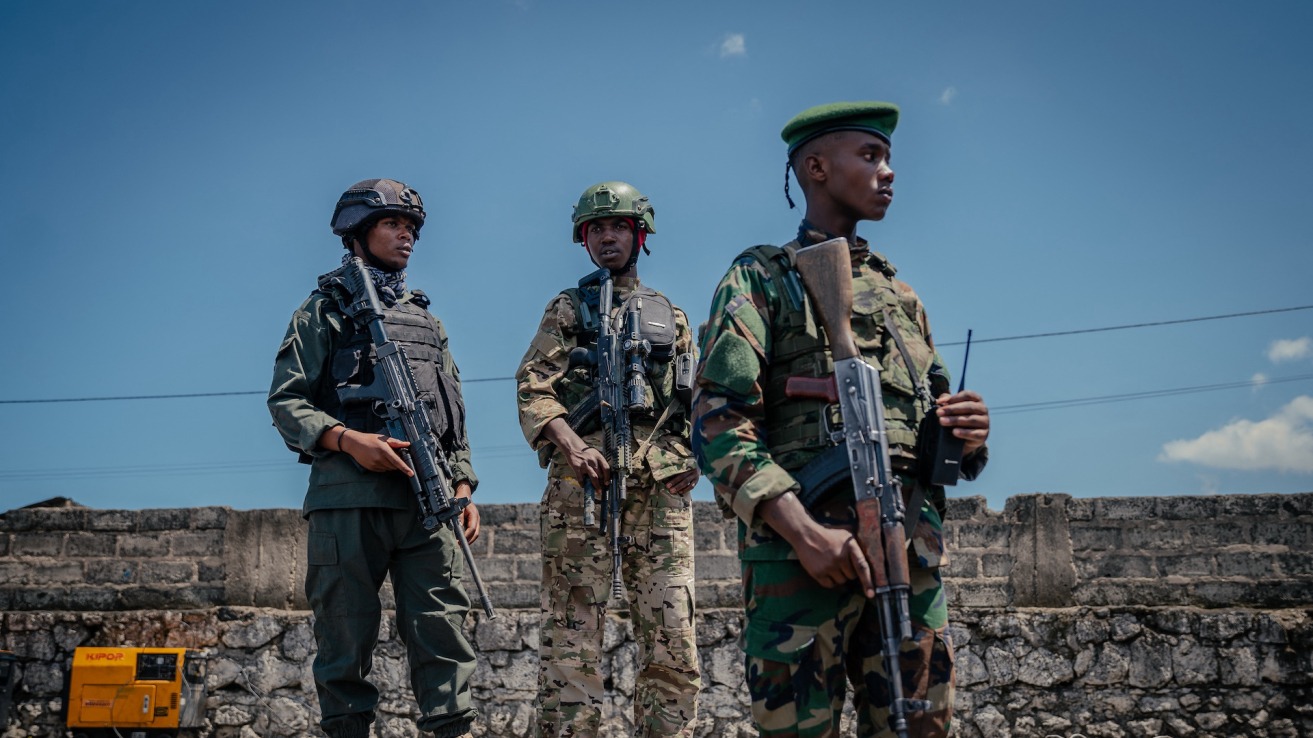
In January and February 2026, the African Union (AU) intensified its diplomatic engagement to address the protracted conflict in the eastern Democratic Republic of the Congo. On January 14, the AU Chairperson received the AU–EAC–SADC Panel of Facilitators to advance the harmonisation of mediation efforts, reaffirming institutional support for African-led conflict resolution mechanisms (African Union, 2026a). This engagement preceded the 39th Ordinary Session of the AU Assembly of Heads of State and Government, convened in Addis Ababa on February 14–15, 2026, during which peace and security, particularly progress toward stability in eastern DRC, featured prominently on the continental agenda (African Union, 2026b). The AU’s 2026 initiatives reflect a deliberate procedural emphasis on institutional coordination among the African Union(AU), the East African Community(EAC), and the Southern African Development Community(SADC), aimed at correcting fragmentation across competing diplomatic tracks. Prior media reporting documented that overlapping mediation initiatives created bargaining asymmetries, enabling armed actors to forum-shop among negotiation venues, undermining enforcement credibility, and prolonging conflict dynamics. Against this background, the AU’s 2026 engagement sought to reassert continental authority, streamline mediation sequencing, and restore coherence to African-led peace diplomacy. This commentary analyses four structural dimensions with policy recommendations, through which the AU’s 2026 approach recalibrated incentives, consolidated mediation authority, and reinforced the legitimacy of African-led peace efforts in eastern DRC.
2.0 Key Issues
2.1 Harmonisation of Diplomatic Tracks
A central dimension of the AU’s 2026 peace diplomacy was the formal harmonisation of previously overlapping mediation initiatives. The January 2026 AU press release emphasised coherence between regional mediation efforts and externally supported initiatives, including those facilitated outside the continent (African Union, 2026a). Earlier reporting warned that fragmented diplomatic tracks diluted enforcement capacity and enabled armed groups to exploit competing security assurances and negotiation promises (Reuters, 2025). By convening the AU–EAC–SADC Panel of Facilitators before the February summit, the AU underscored that institutional hierarchy, rather than adhoc external forums, should anchor mediation processes. The inclusion of former African heads of state within the Panel reinforced political legitimacy while operationally aligning EAC and SADC mechanisms under continental oversight. Structured harmonisation reduced negotiation redundancy by constraining venue substitution, clarified mediation sequencing, and increased reputational and political costs for armed groups attempting to bypass agreed negotiation channels.
2.2 Continental Ownership and External Alignment
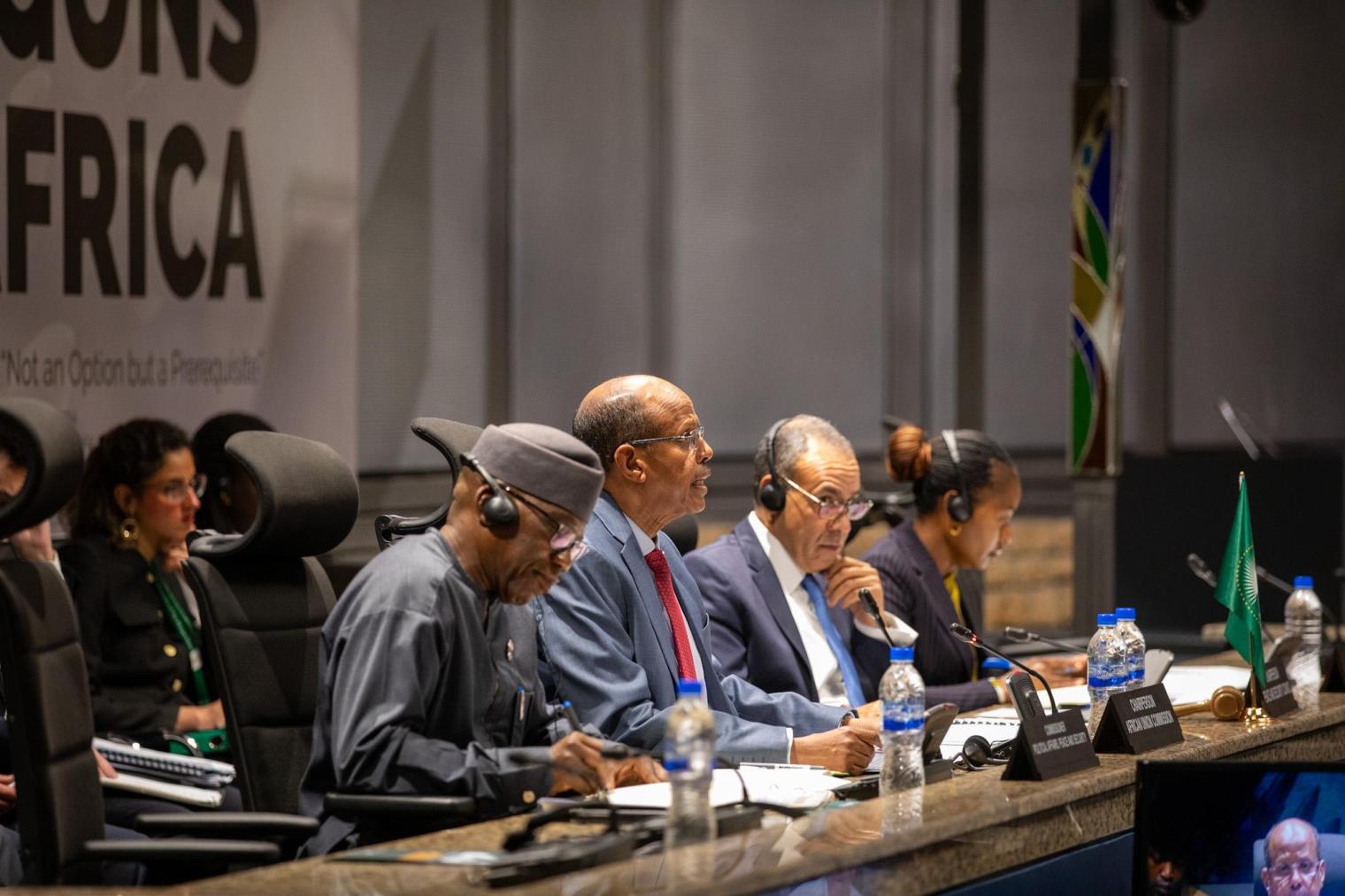
The AU’s framing of its 2026 peace engagement emphasised African ownership while selectively integrating external diplomatic support. Statements by the Commission Chairperson reaffirmed institutional backing for the AU–EAC–SADC Panel’s mandate, signalling that external initiatives must align with continental frameworks rather than operate independently (African Union, 2026a). International media previously documented that externally hosted negotiations—particularly those convened outside Africa—had complicated mediation by introducing parallel agendas and sequencing ambiguities (Associated Press, 2025). The strategic positioning of the January reception and February summit asserted that alignment, rather than exclusion, would govern engagement with external partners. By centralising agenda-setting authority and outcome validation within continental structures, the AU limited external agenda drift while preserving cooperative partnerships. This recalibration strengthened the AU’s custodial role over peace diplomacy, enhanced predictability for regional stakeholders, and reinforced legitimacy among actors who favour clearly sequenced negotiations anchored in African institutional authority.
2.3 Regional Bloc Coordination
The eastern DRC crisis intersects with security interests spanning multiple regional blocs, necessitating coordinated responses among the AU, EAC, and SADC. The January 2026 AU readout confirmed joint facilitation structured through a tripartite configuration (African Union, 2026a). Earlier reporting highlighted operational friction when bloc-specific objectives diverged or lacked synchronised command structures, undermining mediation coherence (Reuters, 2025). By structurally embedding facilitators from different regional backgrounds within an AU-led framework, the 2026 architecture aimed to mitigate bloc rivalry and unify strategy. Coordination was operational in effect: joint planning meetings, shared reporting mechanisms, and synchronised public messaging standardised procedures, reduced mandate ambiguity in the field, and narrowed space for unilateral military or diplomatic signalling. As prior BBC reporting observed, divergent regional approaches frequently impede consensus and extend conflict resolution timelines (BBC News, 2025). Centralised coordination under AU oversight thus enhanced predictability and presented a more unified front to armed groups and external partners alike.
2.4 Summit-Level Political Endorsement
The endorsement of the mediation process at the 39th AU Summit functioned as high-level political signalling with direct implications for conflict dynamics. Official summit communiqués reaffirmed that peace in eastern DRC remains a priority within continental governance frameworks (African Union, 2026b). Regional media reporting noted that armed groups closely monitor diplomatic cohesion among state actors, adjusting tactical behaviour in response to perceived political unity or fragmentation (Agence France-Presse, 2025). Summit affirmation, therefore, communicated continuity and high-order political backing beyond routine procedural updates, raising audience costs for regional defections and signalling that mediation commitments are embedded in collective continental accountability structures. By elevating mediation oversight to the apex of political authority, the AU conveyed durability of engagement rather than episodic attention. Anchoring peace efforts within summit-level priorities also aligned conflict resolution with broader continental strategies, including Agenda 2063, reinforcing the linkage between security stabilisation and sustainable governance objectives.
3.0 Conclusion
The AU’s 2026 engagement in eastern DRC represents a consolidation of continental peace diplomacy rather than a continuation of fragmented initiatives. Harmonisation of diplomatic tracks constrained venue competition; emphasis on continental ownership clarified mediation hierarchy; enhanced bloc coordination reduced operational inconsistencies; and summit-level endorsement reinforced political continuity. Together, these elements recalibrated incentives, strengthened enforcement credibility, and elevated mediation within continental governance structures. High-level political engagement at the 39th Ordinary Session underscored that the eastern DRC conflict constitutes a core continental concern rather than a peripheral crisis. Collectively, the 2026 initiatives reflect growing structural maturity in African-led peace processes and a deliberate effort to institutionalise coherence, legitimacy, and accountability in conflict resolution.
4.0 Policy Recommendations
4.1 Establish a Permanent AU–EAC–SADC Coordination Unit
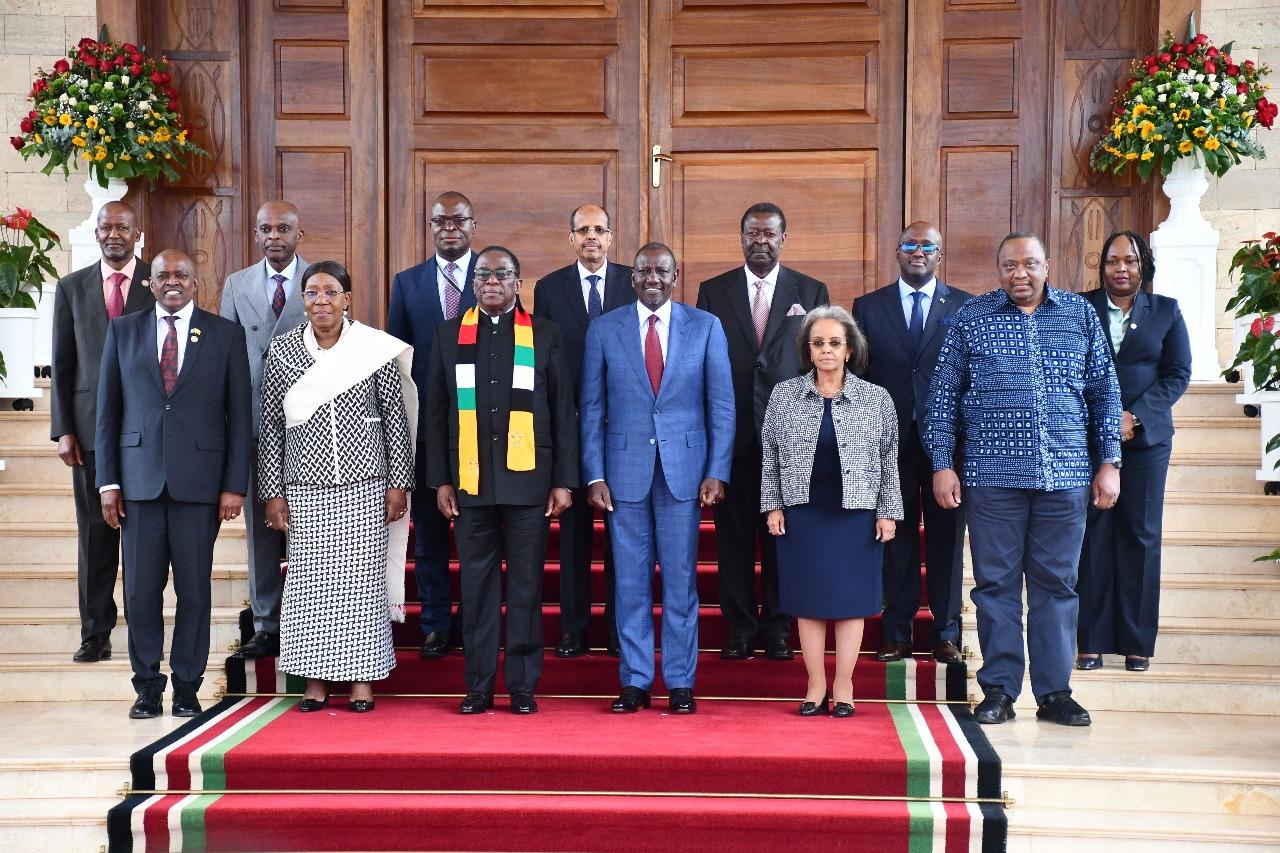
Photo Credit: Arica Union
The African Union Commission should establish a permanent AU–EAC–SADC mediation coordination unit within the Peace and Security Department in Addis Ababa. This unit should maintain a shared mediation calendar, unified briefing materials, standardised communication protocols, and consolidated reporting systems. Implementation should proceed through an Executive Council decision mandating quarterly joint reporting to the Peace and Security Council and formal integration of lessons learned into strategic guidance. Liaison officers from both the East African Community and Southern African Development Community should be seconded to the AU headquarters to ensure direct operational and procedural integration. By institutionalising coordination mechanisms within the AU, diplomatic alignment will be standardised, inter-institutional competition minimised, strategic coherence strengthened, and compliance systematically assessed through regular, measurable performance indicators, ensuring effective and predictable mediation across regional and continental structures.
4.2 Align Regional Security and Mediation Mandates
The EAC and SADC secretariats should jointly review and align operational mandates governing deployed forces, peacekeeping contingents, and mediation teams operating in eastern DRC. This harmonisation process should standardise rules of engagement, de-escalation protocols, negotiation sequencing, and reporting procedures. Implementation requires convening regional ministers responsible for defence and foreign affairs within existing council cycles to produce integrated doctrine matrices and operational guidance. A joint liaison desk in conflict areas should coordinate real-time field updates with mediation envoys to ensure a consistent strategic posture and prevent conflicting actions. Aligned mandates will reduce contradictory signalling, strengthen negotiation credibility, enhance operational coordination, and allow measurable assessment of compliance through consolidated operational reporting mechanisms, thereby supporting a coherent, predictable, and effective regional peace approach.
4.3 Institutionalise Biannual Mediation Reviews
The African Union Assembly of Heads of State and Government should adopt a formal resolution mandating biannual summit-level reviews of the eastern DRC mediation process. These reviews should be systematically embedded in ordinary sessions and supported by structured progress reports from the AU–EAC–SADC Panel of Facilitators. Implementation may proceed through modification of standing agenda-setting procedures and explicit incorporation into Assembly rules. Regular review cycles will sustain political momentum, discourage process stagnation, reinforce accountability across participating actors, and signal continued commitment to both regional and continental stakeholders. Formalising periodic oversight within summit agendas ensures that mediation efforts remain visible at the highest decision-making tier, provides a structured mechanism for corrective action, and enables comparative evaluation of progress across reporting cycles to strengthen overall peace architecture legitimacy.
4.4 Strengthen Humanitarian Access Mechanisms
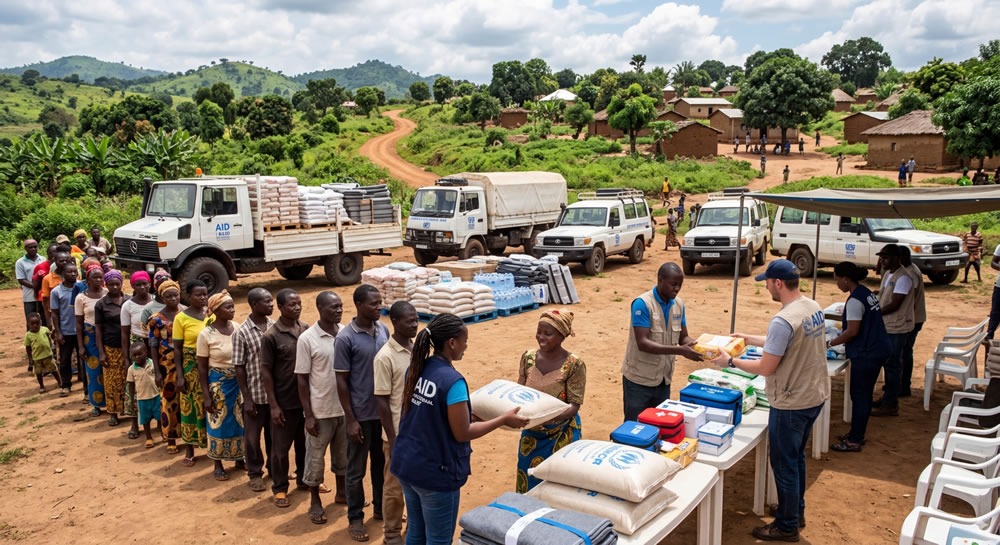
The Government of the Democratic Republic of the Congo, in coordination with the AU Commission and regional partners, should establish a joint humanitarian access task force headquartered in Kinshasa with liaison offices in affected provinces. The task force should integrate mediation representatives, military commanders, humanitarian agencies, and local authorities to standardise corridor approvals, security guarantees, and access verification procedures. Implementation requires formal memoranda of understanding concluded within three months, clearly defining roles, responsibilities, and reporting lines. Dedicated liaison units should operate at both national and provincial levels to expedite approvals, resolve access disputes, and reduce bureaucratic delays. Coordinated security and access mechanisms will reinforce civilian protection commitments, improve predictability for humanitarian actors, and strengthen peace architecture legitimacy through improvements in access reliability and delivery timelines.
5.0 References
African Union Commission. (2026, January 14). AUC Chairperson receives the AU–EAC–SADC Panel of Facilitators on the Eastern DRC situation. Addis Ababa: African Union. https://au.int/en/pressreleases/20260114/auc-chairperson-received-au-eac-sadc-panel-facilitators-eastern-drc
African Union Assembly. (2026, February 15). 39th Ordinary Session of the Assembly of Heads of State and Government of the African Union: Decisions and communiqués. Addis Ababa: African Union. https://au.int/en/pressreleases/20260215/39th-ordinary-session-assembly-african-union-concludes
Agence France-Presse. (2025). Armed groups monitor regional diplomatic cohesion in the eastern Democratic Republic of the Congo. AFP News. https://www.afp.com/en/news/armed-groups-monitor-regional-diplomatic-cohesion-eastern-congo
Associated Press. (2025). U.S.-hosted discussions seek progress in DR Congo peace efforts. AP News. https://apnews.com/article/congo-rwanda-drc-peace-talks-mediation
BBC News. (2025). Regional interventions and mediation dynamics in African peace processes. BBC News. https://www.bbc.com/news/world-africa
Reuters. (2025). Fragmented diplomacy risks undermining DR Congo peace initiatives. Reuters. https://www.reuters.com/world/africa/african-blocs-expand-mediation-team-congo-conflict-2025-03-25/
Al-Jazeera English. (2025). African-led mediation efforts intensify amid eastern DR Congo crisis. Al-Jazeera. https://www.aljazeera.com/news/2025/african-led-mediation-efforts-intensify-drc-crisis