

1.0 Introduction
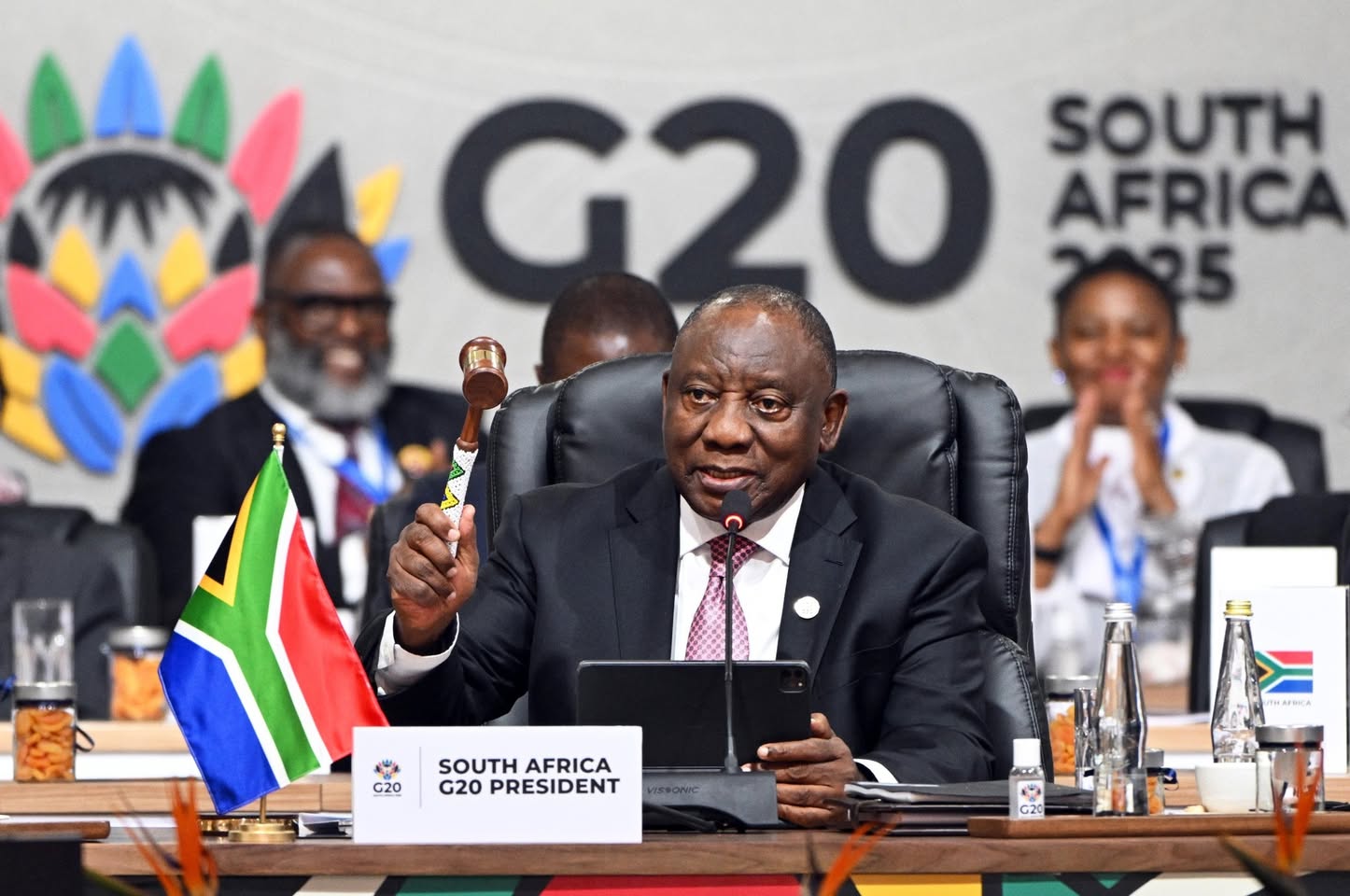
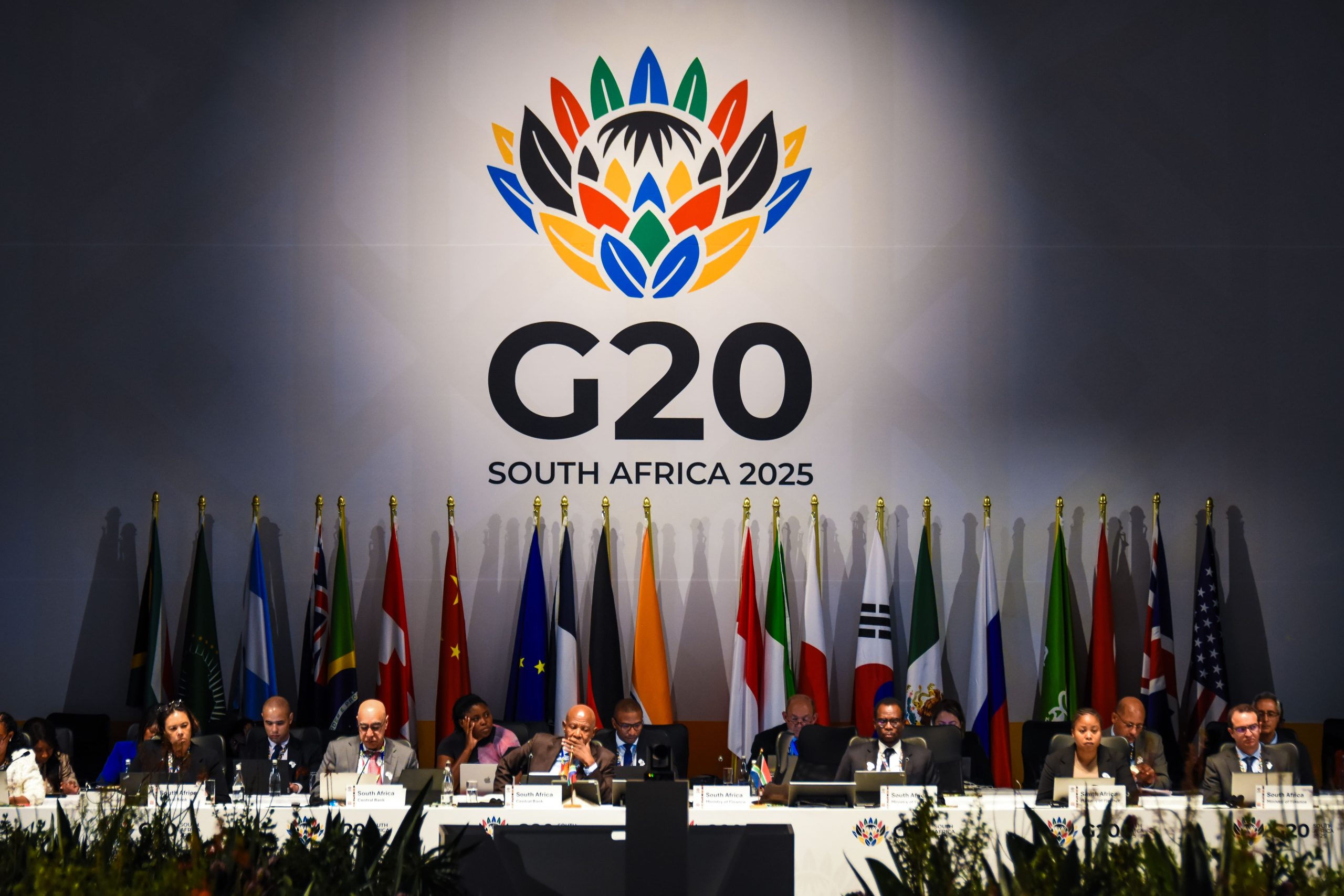
The 2025 G20 Leaders’ Summit convened in Johannesburg, South Africa, at a moment of heightened geopolitical fragmentation, tightening global financial conditions, and escalating climate risk. It marked the first G20 summit hosted on the African soil and followed African Union’s accession as a permanent member, signalling a recalibration of Africa’s position within global economic governance (AU, 2025; G20, 2025). The summit occurred amid widening development finance gaps, rising debt distress across low- and middle-income economies, and scepticism regarding multilateral institutions’ capacity to respond effectively to systemic shocks. The Greater Eastern Africa enters this global moment with layered structural vulnerabilities.Elevated public debt, constrained fiscal space, climate exposure, and persistent insecurity intersect with intensifying competition among global and emerging powers, reshaping trade, investment, and security partnerships (IMF, 2025; World Bank, 2025). The Johannesburg Summit produced commitments on debt sustainability, development finance, climate action, trade integration, and institutional reform. While implementation remains uneven, G20 outcomes influence the policy orientation of multilateral development banks and international financial institutions. For Greater Eastern Africa states, the strategic question is not the existence of global commitments, but how these intersect with regional political economy realities and long-term security foresight. This commentary examines implications of the Johannesburg G20 Summit outcomes for the Greater Eastern Africa across multilateral governance, debt architecture, trade and diversification, climate and energy finance, and evolving security alignments.
2.0 Key Issues
2.1 Debt and Financing Risks
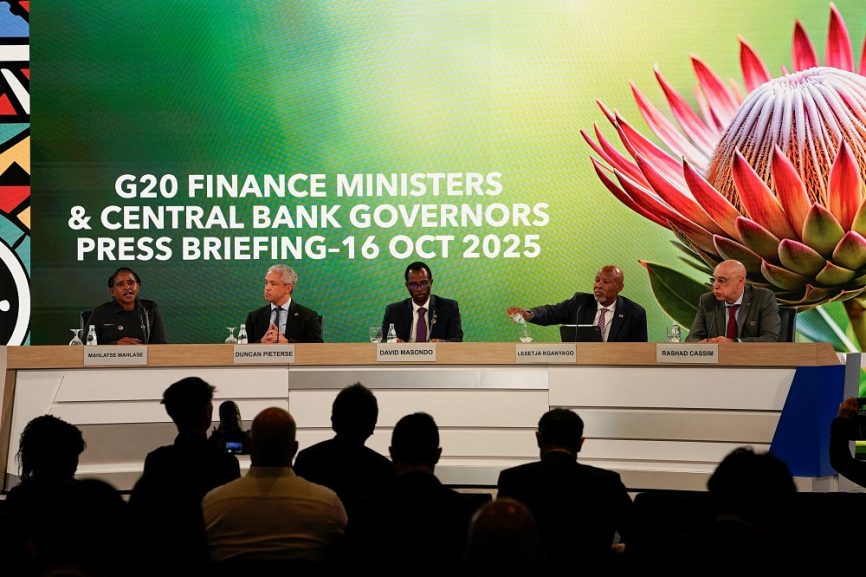
Greater Eastern Africa’s debt profile remains fragile, shaped by rapid external borrowing, commodity-price shocks, and uneven revenue growth. The Johannesburg Summit reiterated the need for debt sustainability frameworks and coordinated creditor engagement, including expanded use of debt relief and restructuring mechanisms (G20, 2025). Yet debt distress persists across several states, driven by high-interest commercial loans, opaque non-Paris Club obligations, and limited fiscal space for social spending (IMF, 2025; World Bank, 2025). The key issue is the lack of harmonised creditor coordination and insufficiently transparent debt management. Without standardised reporting and predictable restructuring pathways, states face rollover risks and escalating financing costs, undermining macroeconomic stability (OECD, 2025; AfDB, 2025). The deeper strategic question is whether multilateral frameworks can deliver credible relief and conditionality aligned with national development priorities, or whether debt burdens will continue to crowd out investment in health, education, and climate resilience (UNCTAD, 2025).
2.2 Regional Security and Governance
The Johannesburg Summit emphasised the links between security, development, and climate risk, particularly in fragile regions where governance gaps create space for non-state actors (G20, 2025). Greater Eastern Africa continues to face complex security threats, including insurgency, cross-border banditry, and political instability. These threats are amplified by competition for resources, weak state capacity, and the spillover effects of neighbouring conflicts (UN Security Council, 2025; AU, 2025). The key issue is not merely the presence of conflict, but the chronic erosion of state legitimacy and uneven security governance. In several states, security institutions remain under-resourced, while civilian oversight is weak, reducing the ability to prevent escalation and protect civilians (UNDP, 2025; World Bank, 2025). This raises strategic questions about whether regional security architecture will shift toward coordinated early warning, shared intelligence, and joint responses, or remain fragmented and reactive. The central concern is whether governance reforms can keep pace with evolving threats, or whether instability will continue to undermine economic recovery and regional integration (AU, 2025; IGAD, 2025).
2.3 Trade, Integration, and Industrial Transformation
The Johannesburg Summit reiterated commitments to open, rules-based trade and deeper integration into global and regional value chains (G20, 2025). These priorities align with Greater Eastern Africa’s objectives under the African Continental Free Trade Area and the AU’s industrialisation agenda (AfCFTA Secretariat, 2025; AU, 2025). However, structural constraints—logistics bottlenecks, regulatory fragmentation, and limited productive capacity—continue to inhibit diversification and industrial upgrading (World Bank, 2025; UNCTAD, 2025). Trade partnerships have diversified toward emerging economies and South–South networks, but export structures remain concentrated in primary commodities, exposing the region to demand shocks and price volatility (UNCTAD, 2025; IMF, 2025). The key issue is persistent structural path dependence. Without shifts in productive capacity, trade expansion risks reinforcing vulnerabilities rather than supporting transformation. From a strategic foresight lens, trade integration without diversification amplifies systemic risk. Non-tariff barriers and inconsistent standards raise trade costs deeply and limit private-sector investment (EAC Secretariat, 2025). The central question is whether regional integration advances as a platform for structural transformation or merely increases commodity dependence, with limited spillovers to manufacturing and services (OECD, 2025; AfDB, 2025).
2.4 Climate Finance and Adaptation

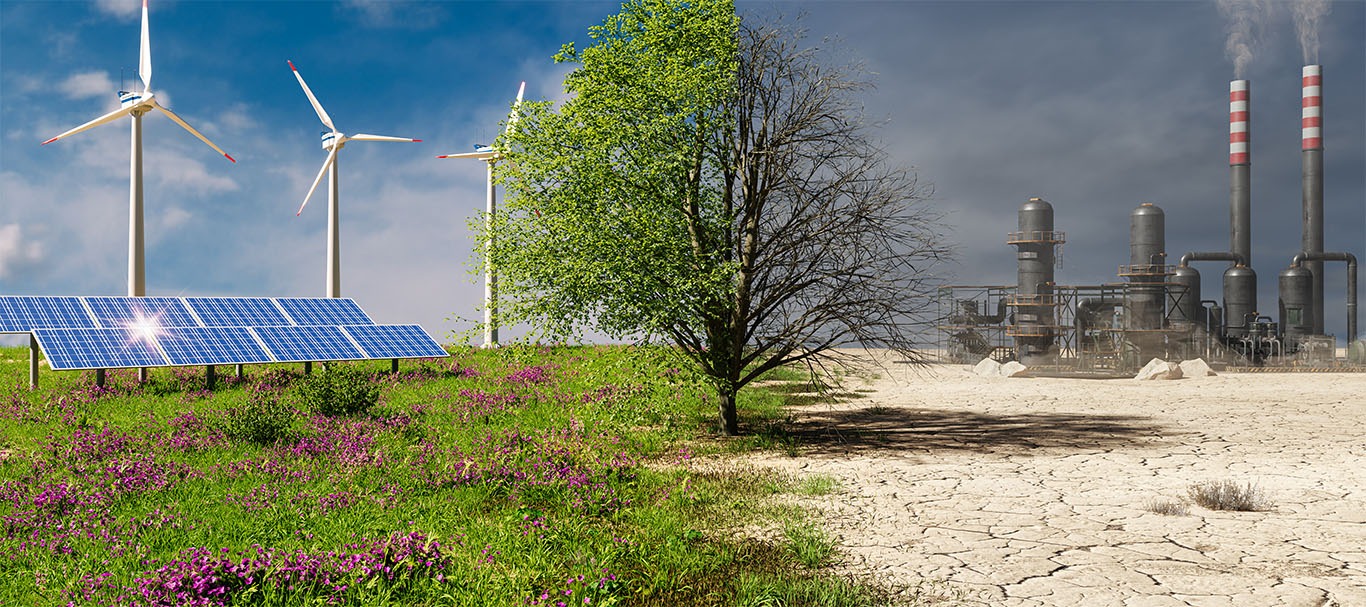
Climate vulnerability is a defining challenge for Greater Eastern Africa region , where recurrent droughts, floods, and food insecurity impose economic and social costs. The G20 emphasised scaling adaptation finance and supporting just energy transitions, including expanded renewable deployment in developing regions (G20, 2025; International Energy Agency [IEA], 2025). Despite commitments, access remains uneven; institutional capacity gaps, limited project pipelines, and financing modalities oriented toward risk mitigation constrain absorptive capacity (UNEP, 2025; AfDB, 2025). Gretaer Eastern Africa holds geothermal, solar, and wind potential, yet investment flows remain persistently inconsistent and concentrated in countries (IEA, 2025; AfDB, 2025). The key issue is misalignment between the global climate finance architecture and regional implementation realities. This disconnect raises strategic questions about whether frameworks can deliver timely resilience outcomes or whether climate risk will outpace adaptive capacity, reinforcing insecurity (UNEP, 2025; World Bank, 2025). The deeper issue is that climate finance remains structured around external donor priorities rather than domestic risk profiles, creating an implementation gap that limits adaptation and weakens energy transition credibility. Governments should deploy risk guarantees and insurance instruments to lower capital costs and accelerate adaptation investment (OECD, 2025).
3.0 Conclusion
The Johannesburg Summit’s outcomes matter for Greater Eastern Africa because they set the multilateral framing for debt, trade, and climate finance at a moment of heightened geopolitical competition and economic fragility. The region’s strategic imperative is to convert external commitments into coherent domestic and regional policy actions that reduce vulnerabilities and support transformation. This requires stronger institutional coordination, transparent debt management, trade diversification, and climate finance alignment with local risk profiles. Failure to do so risks perpetuating debt distress, commodity dependence, and climate insecurity, while successful implementation would strengthen the region’s agency within global governance and improve resilience and growth prospects.
4.0 Policy Recommendations
4.1 Multilateral Engagement and Regional Coordination
Ministries of foreign affairs and finance in the Greater Eastern Africa states should establish permanent coordination units dedicated to G20, IMF, World Bank, and multilateral development bank processes. These units must participate continuously in preparatory working groups and align national positions with AU, EAC, and IGAD priorities. The African Union Commission should institutionalise biannual regional coordination forums ahead of major multilateral negotiations to consolidate positions on debt, climate finance, and trade, strengthening collective influence and anticipatory governance. Coordination units should issue quarterly strategic briefs and maintain a shared regional policy database to reduce duplicative engagement and ensure consistent negotiation positions across institutions. These units will report to cabinet committees and integrate intelligence on geopolitical shifts, supply chains, and security risks, and publish annual public summaries.
4.2 Debt Governance and Fiscal Resilience
Finance ministries and central banks should implement standardised, publicly accessible debt transparency platforms covering all public liabilities, including commercial and non-Paris Club creditors. New borrowing must prioritise concessional instruments and incorporate state-contingent clauses tied to revenue performance and commodity prices. Debt management offices should establish creditor engagement units responsible for negotiating harmonised terms and coordinating restructuring timelines. The AU, through the African Financial Institutions Forum, should convene creditor coordination rounds every six months to reduce fragmentation. National parliaments should require annual debt sustainability reports, audited by independent fiscal oversight bodies, to ensure accountability and prevent opaque borrowing practices. Central banks should also develop contingency reserves and liquidity corridors to manage rollover shocks, while finance ministries cap short-term external borrowing at defined thresholds nationally.
4.3 Trade and Economic Diversification
Trade and industry ministries, working with AfCFTA institutions, should enforce binding timelines for customs harmonisation, standards mutual recognition, and digital trade facilitation. Public investment should prioritise logistics corridors linking ports, industrial zones, and agricultural hubs, with regional development banks co-financing priority infrastructure. National industrial policies should require measurable diversification benchmarks and support value-chain development in agro-processing, light manufacturing, and services. Ministries of trade should establish a regional export intelligence unit to identify and support competitive sectors, including targeted support for SMEs and export-oriented industrial parks. Customs reforms must be enforced through border control and audit mechanisms. Progress should be reviewed annually at EAC and AU trade forums to ensure that trade integration yields structural transformation rather than merely increasing commodity exports.
4.4 Climate Finance and Energy Transition
Environment and energy ministries should establish dedicated climate finance units responsible for project preparation, fiduciary compliance, and engagement with multilateral climate funds. IGAD and EAC secretariats should coordinate regional project pipelines for adaptation and renewable energy to attract blended finance, with project selection based on clear resilience and energy transition metrics. National governments should integrate climate priorities into medium-term expenditure frameworks and create sovereign green bonds to mobilise domestic capital. Energy ministries must set enforceable renewable procurement targets and partner with private developers under standardised power purchase agreements. Annual climate finance performance audits should be conducted by national audit offices to ensure transparency and prevent project delays. Governments should deploy risk guarantees and insurance instruments to lower capital costs and accelerate adaptation investment.
5.0 References
African Continental Free Trade Area Secretariat. (2025). AfCFTA Implementation Progress Report 2025. https://au.int/en/afcfta
African Development Bank Group. (2025). African economic outlook 2025: Structural transformation and resilience. https://www.afdb.org
African Union. (2025). Decisions of the Assembly of the African Union, Thirty-Seventh Ordinary Session. https://au.int
East African Community Secretariat. (2025). EAC integration and trade facilitation report 2025. https://www.eac.int
G20. (2025). Johannesburg G20 Leaders’ Declaration. https://www.g20.org
International Energy Agency. (2025). World Energy Outlook 2025. https://www.iea.org
International Monetary Fund. (2025). Regional economic outlook: Sub-Saharan Africa. https://www.imf.org
Intergovernmental Authority on Development. (2025). IGAD regional security and resilience report 2025. https://igad.int
Organisation for Economic Co-operation and Development. (2025). Global outlook on financing for sustainable development 2025. https://www.oecd.org
United Nations Conference on Trade and Development. (2025). Economic development in Africa report 2025: Industrialization and trade. https://unctad.org
United Nations Development Programme. (2025). Human Development Report 2025: Resilience and governance in fragile contexts. https://hdr.undp.org
United Nations Environment Programme. (2025). Adaptation finance and climate risk report 2025. https://www.unep.org
United Nations Security Council. (2025). Report of the Secretary-General on the situation in the Horn of Africa (S/2025/XXX). https://www.un.org/securitycouncil
World Bank. (2025). Africa’s pulse: Navigating uncertainty and restoring growth. https://www.worldbank.org