


1.0 Introduction
On 7 January 2026, President Trump formally withdrew funding support from a number of international organisations, including 31 United Nations bodies and 35 non-UN entities, citing misalignment with U.S. national interests (Reuters, 2026; Associated Press, 2026). The affected institutions include core pillars of global development and governance, such as the UN Framework Convention on Climate Change (UNFCCC), the UN Population Fund (UNFPA), and the International Trade Centre (ITC) (Reuters, 2026). This decision consolidates a broader shift away from multilateral engagement toward bilateral and transactional diplomacy, following earlier U.S. exits from the World Health Organisation, UNESCO, and the UN Human Rights Council (Associated Press, 2026; IPS News, 2026). For the Greater Eastern Africa—particularly Kenya, Ethiopia, Uganda, Tanzania, Somalia, and South Sudan—the implications are immediate and structural. These countries rely heavily on multilateral institutions for climate adaptation finance, essential social services, trade capacity building, and humanitarian coordination (AllAfrica, 2026; The EastAfrican, 2026). U.S. support historically catalysed pooled funding, technical expertise, and cross-border coordination in fragile, climate-exposed contexts (Reuters, 2026).This commentary assesses the direct fiscal and structural impacts of the U.S funding withdrawal on Eastern Africa’s development, identifies critical sectoral vulnerabilities in climate finance, human development, trade, and humanitarian coordination, and proposes actionable, regionally led policy interventions to sustain development momentum and strengthen both immediate and long-term resilience.
2.0 Key Issues
2.1 Climate Finance Disruption and Environmental Resilience
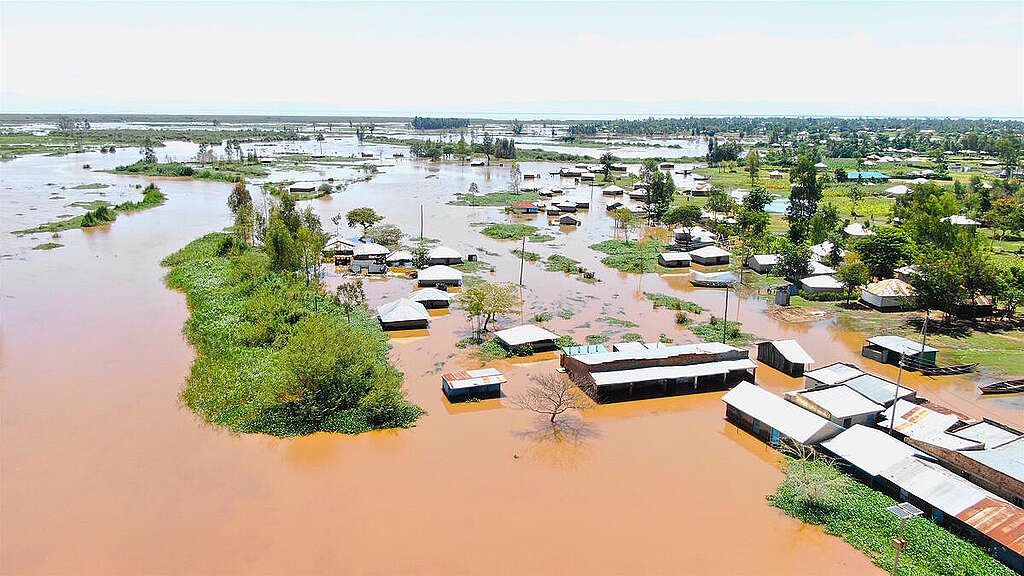
Eastern Africa is highly vulnerable to recurrent droughts, floods, and extreme weather patterns, threatening food security, water systems, public health, and economic stability (WFP, 2026; Reuters, 2026). U.S. withdrawal from UNFCCC-linked mechanisms reduces access to predictable multilateral climate finance that supports adaptation projects, renewable energy, and climate-smart agriculture (Time, 2026; UNFCCC, 2025). U.S participation historically leveraged additional co-financing and technical assistance, enabling countries to expand resilience initiatives. The resulting fiscal gap strains national budgets, delaying infrastructure, early-warning systems, and disaster preparedness. Reduced global leadership may also discourage other major contributors, amplifying vulnerability, food insecurity, and health costs. Countries with narrow fiscal space face heightened exposure, increasing the risk of developmental setbacks. Without corrective action, progress on nationally determined contributions and climate-related sustainable development targets may stall, entrenching structural vulnerability. Strengthening regional climate finance mechanisms, mobilising alternative funding sources, and fostering public-private partnerships are essential to sustain adaptation, disaster preparedness, and long-term environmental resilience (World Bank, 2025).
2.2 Human Development and Social Services Gaps
UNFPA and related agencies have strengthened reproductive health, maternal care, and population data systems across Eastern Africa, particularly in underserved and fragile communities (UNFPA, 2025; Reuters, 2026). U.S. support enabled service expansion, workforce training, supply chain stability, and evidence-based policy planning. Withdrawal undermines demographic data, policy prioritisation, and fiscal planning, increasing pressure on national revenues (Standard Media, 2026). Without intervention, maternal and infant health gains risk reversal, inequalities may widen, and institutional capacity may weaken. Affected countries face difficult trade-offs between sustaining essential health services and other development obligations. Maintaining outcomes now requires governments to institutionalise domestic financing, integrate essential services into national systems, and strengthen regional cooperation to offset the loss of predictable multilateral support (UNICEF, 2026). Additional measures, such as targeted public investments, development bank support, and regional technical coordination, are necessary to preserve service continuity, protect vulnerable populations, and ensure progress toward health-related sustainable development goals during this period of funding uncertainty.
2.3 Trade Capacity Building and Economic Integration Risks
Eastern Africa economies rely on International Trade Centre (ITC) supported programs assisting SMEs with standards compliance, market intelligence, and export promotion (International Trade Centre, 2025; AllAfrica, 2026). These services are critical for agriculture, textiles, and light manufacturing, which generate employment, foreign exchange, and inclusive growth. Withdrawal of U.S. support reduces training and compliance resources provided through ITC-supported programmes, weakening export competitiveness and slowing diversification. The most affected actors in Eastern Africa include national trade ministries, export promotion agencies, standards bodies, regional trade hubs, and SMEs in agriculture and manufacturing, which rely on ITC capacity support for market access, compliance, and trade facilitation. Diminished engagement in multilateral trade frameworks limits negotiating leverage and may marginalise development-oriented trade priorities. Private sector stakeholders have expressed concern over potential job losses, reduced investment, and uncertainty around preferential trade arrangements, while AfCFTA implementation could be delayed. To maintain regional integration and trade-led growth, Eastern Africa must strengthen trade infrastructure, pool technical expertise, and deploy digital platforms that sustain market access, compliance, and competitiveness despite reduced external support (The EastAfrican, 2026). Coordinated regional strategies, development bank financing, and public-private partnerships are essential to offset funding gaps, safeguard jobs, and ensure sustainable trade capacity and economic resilience in a highly competitive global environment.
2.4 Humanitarian Response and Peacebuilding Coordination Strains
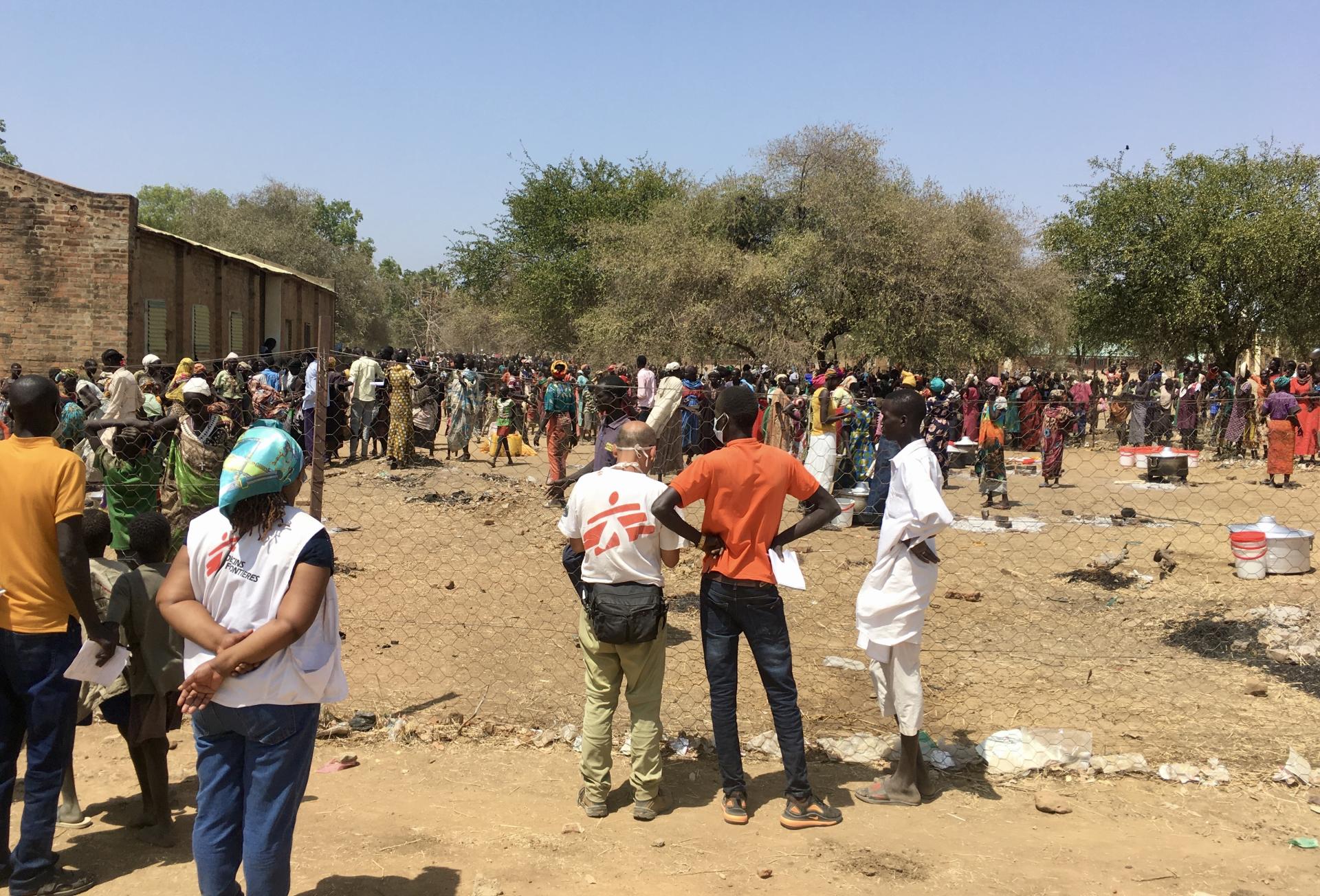
Eastern Africa faces complex humanitarian emergencies driven by conflict, displacement, and climate shocks, affecting millions (OCHA, 2025; UNICEF, 2026). Multilateral coordination mechanisms enable pooled resources, cross-border operations, and rapid large-scale responses in Somalia, South Sudan, and Ethiopia (The East African, 2026). Reduced U.S. support threatens the predictability and scale of humanitarian financing through multilateral agencies such as OCHA and UNICEF, placing additional burdens on already stretched national systems. Coordination gaps increase the risk of delayed interventions, fragmented logistics, and higher mortality among vulnerable populations. Peacebuilding and stabilisation initiatives, reliant on sustained multilateral engagement, are particularly exposed. Weakening funding threatens reconciliation processes, prolongs displacement, and risks reversing fragile development gains. Strengthening regional ownership through formalised coordination frameworks, shared early-warning systems, pooled contingency financing, and integrated logistics is critical to preserving response capacity. Enhanced coordination between governments, regional bodies, and humanitarian actors will ensure efficient resource allocation, rapid response, continuity of services, sustaining stability and protecting lives in an increasingly volatile and resource-constrained environment (IGAD, 2025).
3.0 Conclusion
The U.S. withdrawal from financing several key international organisations constitutes a structural shock to Eastern Africa’s development architecture, disrupting climate finance, social services, trade capacity, and humanitarian coordination. The effects are immediate, cumulative, and systemic, exposing long-standing vulnerabilities in financing, institutional capacity, and regional coordination. While external support is unlikely to return to previous levels, the region is not without agency. By mobilising regional climate finance, institutionalising domestic service funding, reinforcing trade infrastructure, and formalising humanitarian and peacebuilding coordination, Eastern African states can mitigate short-term disruptions while laying the foundation for greater resilience, self-reliance, and strategic autonomy in an increasingly fragmented global order.
4.0 Policy Recommendations
4.1 Establish a Regional Climate Finance Facility
Eastern Africa states should establish a pooled regional climate finance facility anchored within existing regional institutions to mobilise and deploy resources for adaptation, mitigation, and resilience-building. The facility should aggregate domestic budget allocations, diaspora capital, concessional financing, and private investment through green, resilience, and catastrophe-linked bonds to fill the financing gap created by reduced support from UNFCCC-linked mechanisms. It should operate as a co-financing platform alongside global climate funds, reducing transaction costs and improving access for national and subnational projects. Clear eligibility criteria, independent fiduciary oversight, and performance-based disbursement mechanisms are essential to ensure transparency and credibility. Priority investments should include drought-resilient water systems, climate-smart agriculture, early-warning infrastructure, and decentralised renewable energy. By pooling risk, strengthening bargaining power, and insulating climate programs from external political volatility, the facility would provide predictable, long-term financing aligned with nationally determined contributions and regional resilience priorities.
4.2 Institutionalise Domestic Financing for Human Development
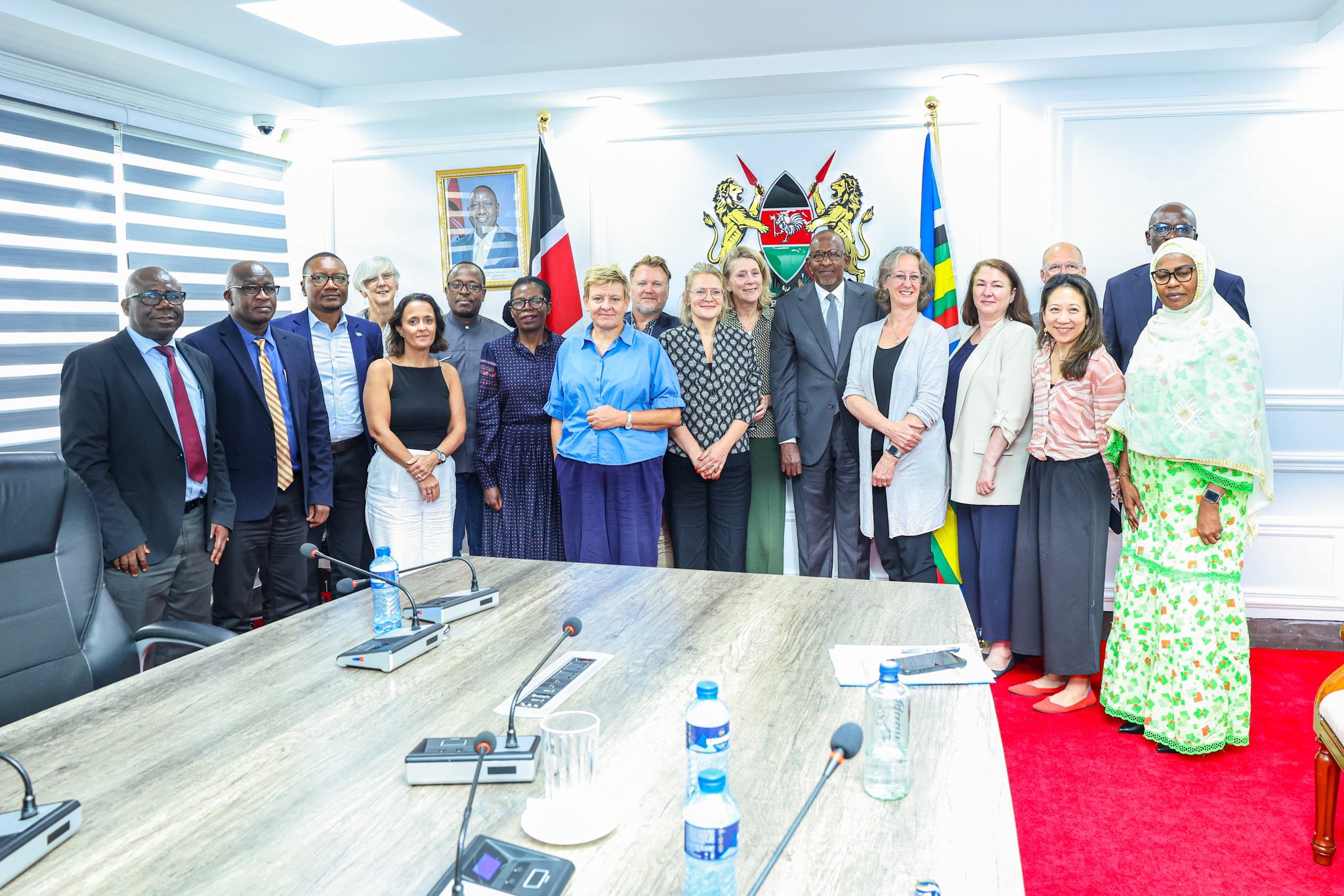
Governments in Eastern Africa should institutionalise financing for essential health and social services by embedding them within statutory national budgets and medium-term expenditure frameworks, reducing dependence on external project-based funding. Reproductive health, maternal care, and population data systems should be fully integrated into national health systems, procurement chains, and workforce plans. Expansion of national health insurance schemes, targeted earmarked levies, and efficiency gains through pooled procurement can help close financing gaps. Regional development banks should support health infrastructure, supply-chain resilience, and workforce training through concessional lending and guarantees. At the regional level, harmonised standards, shared data platforms, and joint training programs can preserve technical capacity and best practices. These measures will protect service continuity, prevent reversals in health outcomes, and strengthen long-term human development resilience despite reduced support following the U.S. withdrawal from UNFPA and related UN health agencies such as WHO.
4.3 Strengthen Regional Trade Hubs and Export Support
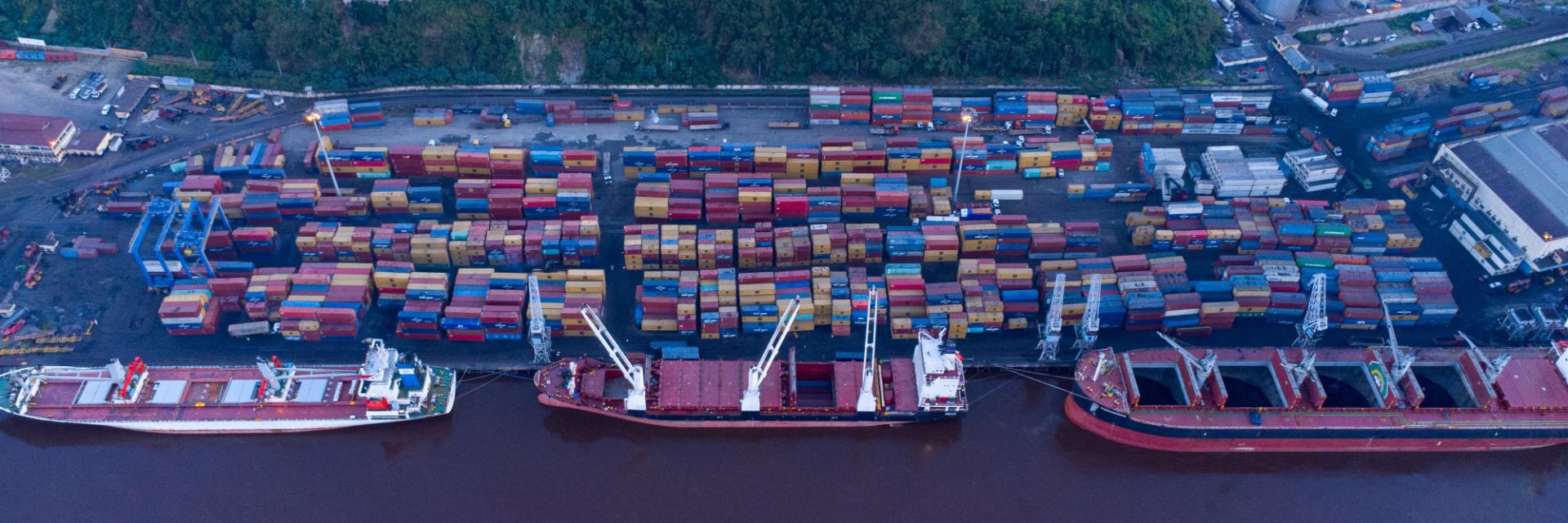
Eastern Africa should establish and operationalise regional trade hubs to provide coordinated export facilitation, standards compliance support, and market intelligence to small and medium-sized enterprises. These hubs should prioritise agriculture, textiles, and light manufacturing and operate through public–private partnerships aligned with AfCFTA implementation. Digital platforms should be deployed to support certification, traceability, and access to global buyers, reducing compliance costs and information asymmetries. Regional development banks and trade finance institutions should provide blended finance, guarantees, and technical assistance to sustain hub operations. Coordinated regional advocacy in multilateral trade forums is also essential to safeguard development-oriented trade rules and preferential access. Strengthened trade hubs will preserve competitiveness, support employment, diversify exports, and sustain foreign exchange earnings amid declining multilateral support, particularly from ITC-supported trade capacity programmes.
4.4 Formalise Regional Humanitarian and Peacebuilding Coordination
Eastern Africa states should formalise regional humanitarian and peacebuilding coordination under IGAD and the AU to reduce fragmentation and strengthen response capacity, particularly in light of reduced UN humanitarian coordination through mechanisms such as OCHA and UNICEF following the U.S. withdrawal. This should include pooled emergency funds and pooled contingency financing mechanisms, shared logistics and supply-chain platforms, and interoperable early-warning and needs-assessment systems. Joint preparedness exercises and harmonised operating protocols will enhance the speed, scale, and efficiency of responses to conflict, displacement, and climate-related emergencies. Peacebuilding initiatives should be integrated into these frameworks to ensure continuity between emergency response, stabilisation, and recovery efforts. Clear governance structures and predefined triggers for regional activation are critical to effectiveness. Institutionalised regional coordination will preserve life-saving capacity, reduce dependence on unpredictable external funding, and sustain stability in a context of growing humanitarian and security risks.
5.0 References
All Africa. (2026, January 9). Kenya faces economic shock as the U.S. pulls back from global organisations. https://allafrica.com
Associated Press. (2026, January 7). UN chief says the U.S. has ‘legal obligation’ to fund agencies after Trump’s withdrawal order. AP News. https://apnews.com
International Trade Centre. (2025). Supporting SMEs for trade competitiveness in Africa. https://intracen.org
Inter Press Service (IPS) News. (2026, January). U.S. withdrawal from organisations triggers global alarm. https://ipsnews.net
Integrated Regional Development Agency (IGAD). (2025). Regional humanitarian coordination framework report. https://igad.int
Reuters. (2026, January 7). Trump withdraws the U.S. from dozens of international and UN entities. https://reuters.com
Standard Media. (2026, January). U.S. move puts funding of aid groups, climate, and security at risk. https://standardmedia.co.ke
Time. (2026, January 8). Trump is leaving U.N. environmental bodies: What that means for the climate. https://time.com
The EastAfrican. (2026, January). America’s exit from UN bodies raises regional fears about stability. https://theeastafrican.co.ke
United Nations Framework Convention on Climate Change (UNFCCC). (2025). Climate finance in developing regions: Annual report. https://unfccc.int
United Nations Children’s Fund (UNICEF). (2026, January). Humanitarian and health impacts in Eastern Africa. https://unicef.org
United Nations Population Fund (UNFPA). (2025). Maternal and reproductive health support in Eastern Africa. https://unfpa.org
World Bank. (2025). Climate adaptation finance and resilience in Africa. https://worldbank.org
World Food Programme (WFP). (2026). Eastern Africa food security and climate risks report. https://wfp.org
Office for the Coordination of Humanitarian Affairs (OCHA). (2025). Eastern Africa humanitarian overview. https://ocha.int