

1.0 Introduction
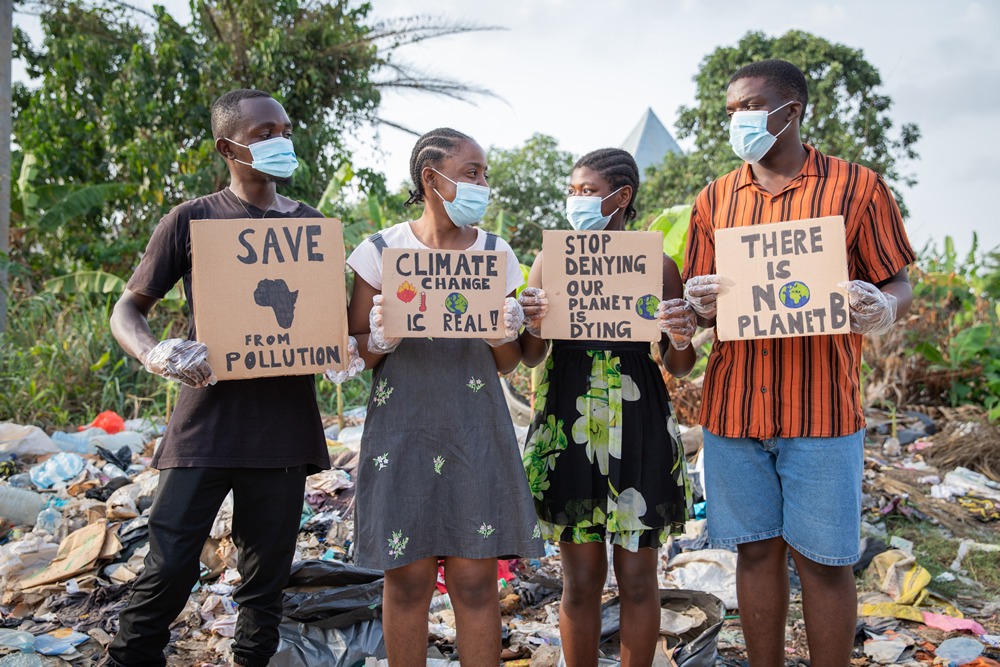
Environmental security is one of the most pressing challenges shaping the future of Greater Eastern Africa. Almost 116 million people in Eastern and Southern Africa, about 40% of the regional population, lack access to safe drinking water, a crisis driven by climate-induced scarcity and weak governance (Oxfam, 2025; UNEP, 2023). Climate variability, ecological degradation, and political fragility increasingly undermine livelihoods across the Horn and Great Lakes regions. Recent droughts in Ethiopia, Kenya, and Somalia devastated rangelands, weakened livestock, and triggered seasonal displacement, demonstrating how climate-sensitive resources influence survival, mobility, and stability (GRFC, 2024). Climate shocks, food insecurity, and population movement intersect with fragile governance, escalating border tensions and humanitarian needs. Recurrent droughts, floods, and unreliable rainfall drive pastoralists and farmers into contested areas and across porous borders (Binder et al., 2023). Between 2015 and 2022, tens of millions faced acute food insecurity, with over two million displaced in Ethiopia and Somalia by mid-2023 (UNHCR/OCHA, 2023). Environmental pressures transcend national boundaries, interacting with political fault lines to exacerbate instability. Environmental security expands the notion of national defence to include safeguarding ecosystems that support livelihoods and peace (Nzau, 2022). Integrating resilience-building with regional peace and development agendas is essential. This commentary examines the key environmental security challenges affecting Greater Eastern Africa, highlighting climate shocks, transboundary resource pressures, land degradation, and governance fragility; exploring policy approaches to strengthen resilience. By addressing environmental vulnerabilities strategically, fragile borderlands can be transformed into spaces of cooperation, sustainable livelihoods, and regional stability, turning shared challenges into opportunities for inclusive growth and security.
2.0 Key Issues
2.1 Climate Shocks and Livelihood Vulnerability
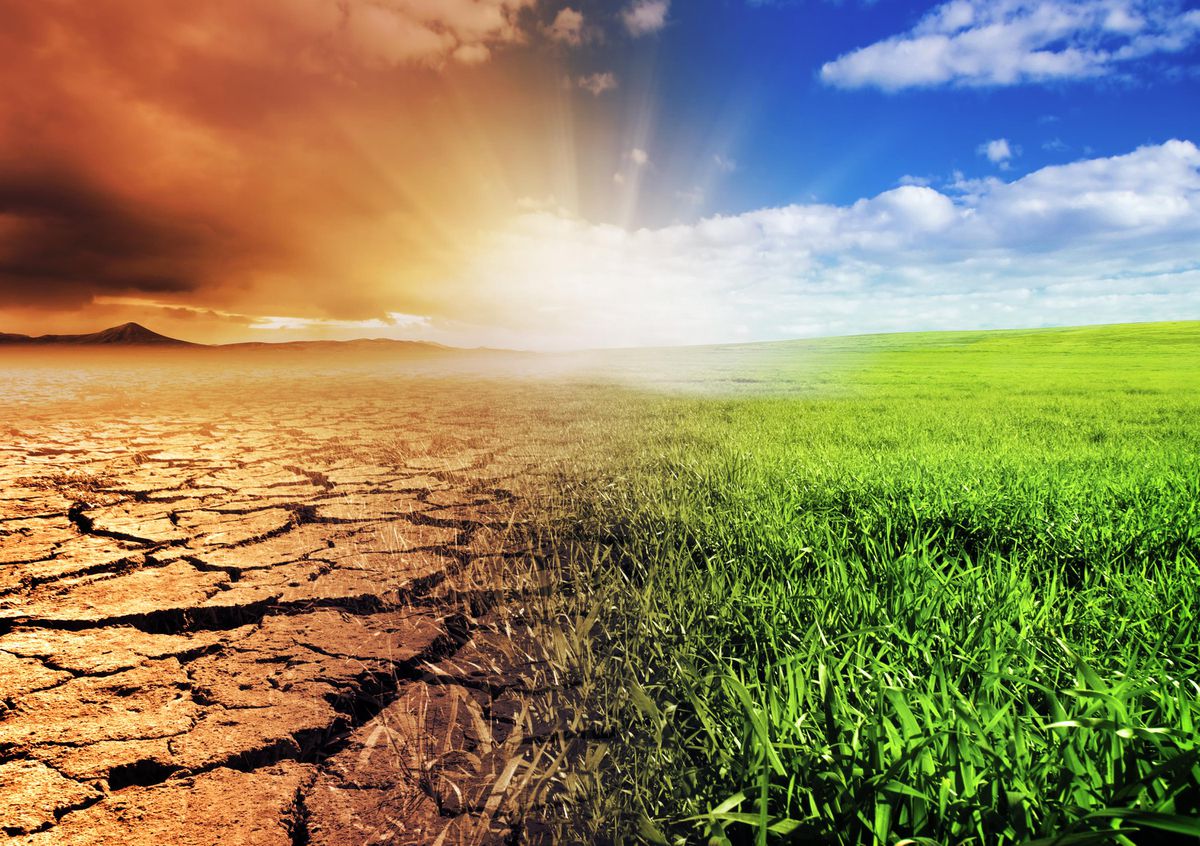
Climate shocks increasingly threaten livelihoods, social cohesion, and regional stability in the Greater Eastern Africa. Between 2020 and 2023, four to five consecutive failed rainy seasons, the worst in 40 years, devastated rain-fed agriculture and pastoralism in Ethiopia, Kenya, and Somalia (Binder et al., 2023; IGAD, 2020; Wudil et al., 2022). Crop and livestock losses intensified food insecurity, triggered large-scale displacement, and strained humanitarian and governance systems (ReliefWeb, 2022; UN OCHA, 2023). In Somalia and Kenya, herders face unpredictable precipitation and insufficient grasslands, forcing seasonal migration that heightens competition for water and pasture. In the Mandera Triangle and Marsabit–Borana corridor, drought-driven livestock movements between 2021 and 2024 sparked violent conflicts over water points and grazing lands, affecting thousands of households (International Crisis Group, 2023; FAO, 2023). With up to 80% of the population dependent on agriculture, building adaptive livelihoods and early warning systems is critical to protect food security, reduce displacement, and strengthen resilience in these climate-sensitive borderlands.
2.2 Transboundary Resources and Regional Tensions
Rivers, lakes, and rangelands that cross national borders make shared resource management a central environmental security challenge in Greater Eastern Africa. Recurrent disputes over declining Lake Turkana water levels have heightened tensions between Kenyan and Ethiopian communities reliant on the shared basin (UNEP, 2023). Greater Eastern Africa hosts some of the largest transboundary water resources globally, including Lake Victoria, Lake Tanganyika, and the River Nile. Despite their abundance, uneven access exacerbates vulnerability in fragile states, particularly where livelihoods depend on rain-fed agriculture and pastoralism (Binder et al., 2023). The Nile Basin, supporting over 300 million people across eleven countries, faces competing national interests. Ethiopia’s Grand Ethiopian Renaissance Dam (GERD) has triggered concerns in Sudan and Egypt over seasonal flooding, hydropower, and irrigation disruptions (Deribe et al., 2024; Binder et al., 2023). Similar tensions in the Karamoja–Turkana regions have caused livestock losses, displacement, and violence since 2021 (FAO, 2023; OCHA, 2022). Coordinated transboundary governance is critical to prevent conflicts, ensure equitable resource sharing, and strengthen regional resilience and security.
2.3 Land Degradation and Deforestation
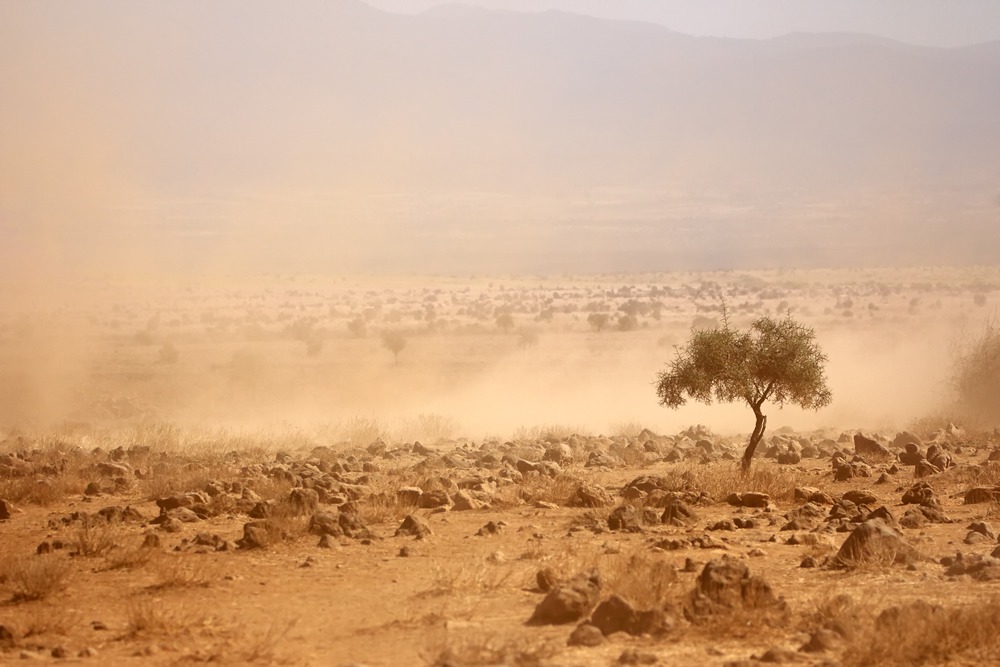
Land degradation and deforestation are eroding ecological foundations essential for livelihoods and regional stability. Over 50% of the Greater Eastern African land is degraded due to agriculture, overgrazing, and charcoal production (AbdelRahman, 2023; Mansourian, 2021; Teucher et al., 2020). Deforestation in highland catchments in Kenya and Ethiopia has reduced dry-season river flows by up to 30%, affecting approximately five million people who rely on these waters for agriculture, domestic use, and livestock (UNEP, 2022). Reduced soil fertility, declining water availability, and lower rangeland productivity exacerbate food and water insecurity, forcing migration into marginal and often transboundary lands. These pressures intensify competition for scarce resources and heighten the risk of violent conflict among pastoral and agropastoral communities (Binder et al., 2023). Ecosystem restoration, including reforestation, soil rehabilitation, and sustainable rangeland management, is therefore critical to safeguard environmental security, strengthen resilience, and buffer climate vulnerabilities in fragile borderlands, while supporting livelihoods and regional stability.
2.4 Fragile Governance and Borders
Weak governance, political fragility, and limited institutional capacity exacerbate environmental insecurity in Greater Eastern Africa. Somalia, ranked first in the 2024 Fragile States Index with a score of 111.3/120, exemplifies extreme fragility, where insecurity constrains adaptive infrastructure, including boreholes, water storage, and climate response mechanisms (Fragile States Index, 2024; Bashir, 2024). Cross-border projects, such as Ethiopia’s Grand Ethiopian Renaissance Dam (GERD), supported by external actors, intensify geopolitical tensions, while the Nile Basin Cooperative Framework Agreement remains contested, with Egypt and Sudan outside its ratification (Mohammed, 2025; NBI, 2024). These governance gaps, combined with climate pressures and competition over scarce resources, undermine regional resilience, hinder coordinated adaptation, and heighten vulnerability in borderlands. Strengthening institutional capacity, enhancing transparency, promoting conflict-sensitive resource management, and fostering regional cooperation are essential to effectively manage environmental risks. Prioritising inclusive governance in fragile areas can mitigate disputes, enhance resilience, and transform borderlands into zones of security and sustainable development.
3.0 Conclusion
Environmental insecurity in Greater Eastern Africa results from the convergence of climate shocks, resource scarcity, and weak governance. These interconnected pressures require proactive, regionally coordinated interventions rather than reactive crisis management. Early warning systems, restoration initiatives, and frameworks under IGAD and the AU offer tools for building resilience, yet fragmented national priorities, weak cross-border coordination, and chronic underfunding limit their effectiveness (IGAD, 2024; AU, 2022). Integrating environmental security into peacebuilding and regional diplomacy can transform fragile borderlands into spaces of cooperation, turning shared vulnerabilities into opportunities for stability, inclusive growth, and sustainable long-term resilience (ICPAC, 2024; NBI, 2025).
4.0 Policy Recommendations
4.1 Build Climate-Resilient Livelihoods
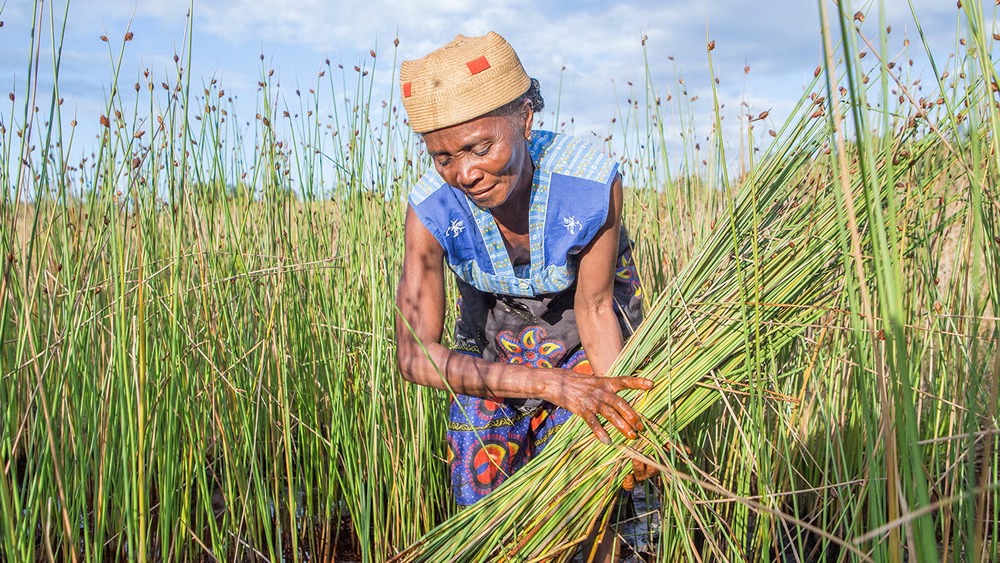
IGAD-led frameworks that integrate early warning systems, drought contingency funds, and adaptive livelihood programs can strengthen resilience in pastoral and agropastoral regions. The IGAD Climate Prediction and Applications Centre (ICPAC) could pilot water-harvesting schemes and small-scale irrigation in northern Kenya and Somalia’s Gedo region, collaborating closely with county and local authorities. Progress can be tracked through indicators such as crop yields, water storage capacity, and household food security. Aligning these interventions with AU adaptation finance and regional development banks would stabilise fragile borderlands, provide scalable models for replication, reduce displacement, and enhance adaptive capacities. Strengthening climate-resilient livelihoods is essential to ensure food security, sustain incomes, and mitigate environmental stress in vulnerable cross-border communities (ICPAC, 2023; IGAD, 2024).
4.2 Promote Cooperative Resource Management
Joint governance of shared waters, lakes, and rangelands under IGAD and AU mechanisms is essential to reduce competition and prevent conflict in Greater Eastern Africa. Coordinated frameworks that ensure equitable resource sharing, transparent data exchange, and conflict-sensitive development planning can mitigate tensions over transboundary rivers, lakes, and rangelands. Lessons from the Nile River Basin provide practical guidance for designing adaptive governance structures that enhance sustainability, environmental security, and regional stability (Deribe et al., 2024). Institutionalising joint management allows communities reliant on shared resources to experience fair access, reducing disputes and promoting cooperation. Such approaches strengthen resilience, support livelihoods, and foster trust among borderland populations, ensuring that fragile areas can sustainably manage water, pasture, and other critical natural resources.
4.3 Restore Ecosystems for Sustainable Livelihoods
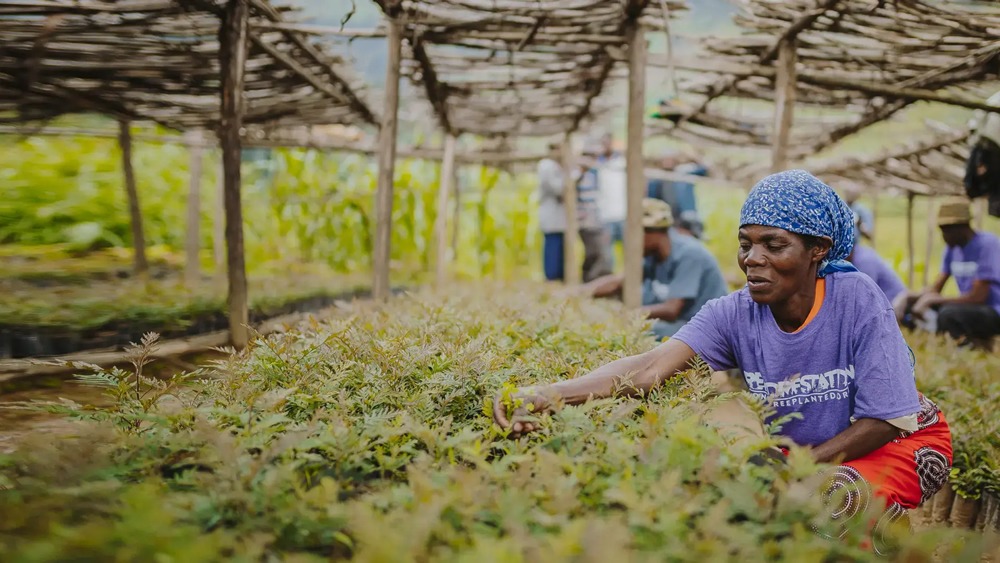
Community-led reforestation, soil rehabilitation, and rangeland restoration enhance ecological resilience while supporting sustainable livelihoods in fragile borderlands. Embedding these programs into national budgets, employment initiatives, and carbon finance schemes ensures scalability and long-term impact. Kenya’s Northern Rangelands Trust (NRT) carbon-credit project generated over KES 655 million for pastoralist communities, illustrating how restoration efforts can deliver economic benefits while rehabilitating degraded landscapes (NRT, 2023; Mansourian, 2021). Scaling similar initiatives across Greater Eastern Africa’s vulnerable regions strengthens environmental security, mitigates land degradation, and buffers communities against climate shocks. Integrating ecosystem restoration with livelihood strategies provides a dual benefit of enhancing natural resource productivity and increasing the adaptive capacity of communities facing environmental stress, reducing migration pressures and potential resource-based conflicts.
4.4 Strengthen Inclusive Environmental Governance
A joint IGAD-AU climate security task force can coordinate cross-border planning, standardised data sharing, and harmonised environmental strategies across Greater Eastern Africa (IGAD, 2024; AU, 2023). Participatory governance in priority transboundary areas, such as the Karamoja Cluster, should actively involve youth, women, and traditional institutions in natural resource decision-making. Embedding accountability mechanisms to monitor conflict reduction, resource management, and environmental outcomes ensures transparency and effectiveness. Inclusive decision-making fosters community ownership, strengthens compliance, reduces disputes over shared resources, and builds social cohesion. By integrating local stakeholders into governance structures, fragile borderlands can transform into spaces of cooperation, resilience, and sustainable development. Such approaches enhance environmental security, mitigate resource-driven conflicts, and reinforce adaptive capacity across climate-sensitive and politically fragile regions (UNEP et al., 2020).
5.0 References
AbdelRahman, A. (2023). Land degradation and environmental management in Greater Eastern Africa. Nairobi: East African Academic Press.
AU. (2023). African Union climate security strategy. Addis Ababa: AU Publications.
AU. (2022). African Union framework for climate adaptation and resilience. Addis Ababa: AU Publications.
Bashir, M. (2024). Fragility and governance challenges in Somalia. Journal of African Security, 12(3), 45–63.
Binder, C., Moosa, M., & Wudil, F. (2023). Climate shocks, migration, and food insecurity in Greater Eastern Africa. Global Environmental Change, 74, 102529. https://doi.org/10.1016/j.gloenvcha.2023.102529
Carr, E. R. (2017). Water conflicts and livelihood strategies in the Omo–Turkana basin. London: Routledge.
Deribe, B., Mansour, Y., & Mohammed, A. (2024). Transboundary water governance in the Nile Basin. Water Policy Journal, 26(1), 33–54.
FAO. (2023). Pastoralist livelihoods and resource conflicts in East Africa. Rome: Food and Agriculture Organisation.
GRFC. (2024). Horn of Africa drought impact assessment. Geneva: Global Resilience and Food Security Council.
IGAD. (2020). Greater Eastern Africa climate resilience report. Djibouti: Intergovernmental Authority on Development.
IGAD. (2024). IGAD climate security coordination framework. Djibouti: IGAD Publications.
ICPAC. (2023). Climate adaptation and early warning systems in Greater Eastern Africa. Nairobi: IGAD Climate Prediction and Applications Centre.
International Crisis Group. (2023). Resource conflicts in the Mandera Triangle and Marsabit-Borana corridor. Brussels: ICG Reports.
Mansourian, S. (2021). Forest restoration and carbon finance in Africa. London: Earthscan.
Mohammed, A. (2025). Transboundary water politics: The GERD and Nile Basin. Addis Ababa: Nile Studies Press.
NBI. (2024). Nile Basin Cooperative Framework Agreement: Status report. Entebbe: Nile Basin Initiative.
NRT. (2023). Northern Rangelands Trust carbon credit program report. Nairobi: NRT Publications.
Nzau, S. (2022). Environmental security and regional stability in Greater Eastern Africa. African Security Review, 31(4), 215–232.
OCHA. (2022). Karamoja–Turkana conflict and displacement report. United Nations Office for the Coordination of Humanitarian Affairs.
Oxfam. (2025). Water scarcity and climate vulnerability in Greater Eastern Africa. Nairobi: Oxfam Great Eastern Africa.
ReliefWeb. (2022). Humanitarian situation overview: Horn of Africa. UN OCHA.
UNEP. (2020). UNEP, UN Women, UNDP, & UNDPPA/PBSO. Inclusive environmental governance in fragile states. Nairobi: UNEP.
UNEP. (2022). Environmental impacts of deforestation in Kenya and Ethiopia. Nairobi: United Nations Environment Programme.
UNEP. (2023). Transboundary water conflicts in Greater Eastern Africa. Nairobi: United Nations Environment Programme.
UNHCR/OCHA. (2023). Displacement trends in Ethiopia and Somalia. Geneva: UNHCR/OCHA.
Wudil, F., Moosa, M., & Binder, C. (2022). Agricultural vulnerability under climate stress in Greater Eastern Africa. African Journal of Environmental Studies, 18(2), 101–119.